
Cuajada is a traditional sheep's-milk curd of Navarra and the Basque Country, rooted in the shepherds' pastoral culture and associated with the Ultzama Valley. Milk (traditionally from the Latxa breed) is warmed and set with rennet into a delicate curd; shepherds classically heated it in a wooden kaiku with red-hot stones, giving a faintly toasted taste. It relies on the same ancient milk-curdling technique that lies behind cheesemaking.
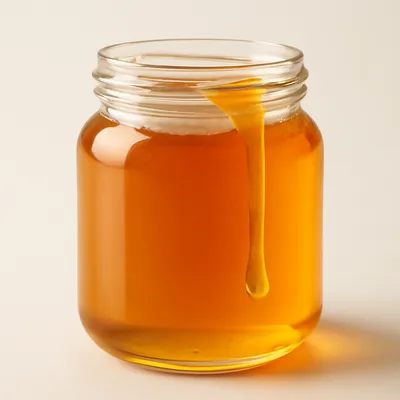
A bowl of cold, white, silky-smooth curd. The texture is between yogurt and panna cotta — soft, yielding, slightly gelatinous. The flavor is pure milk with a faint sweetness. A drizzle of honey transforms it.
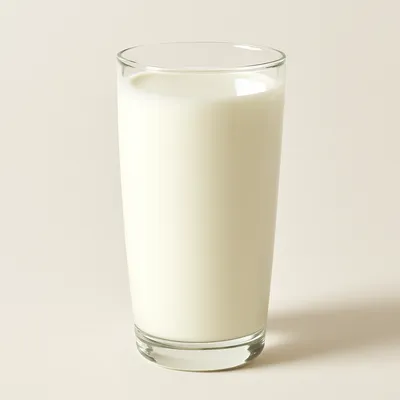
Rennet (an enzyme from calf stomachs) coagulates the milk's casein proteins at 35-40°C, forming a soft gel network. Unlike cheese, the curds are not pressed — they retain all the whey, giving a soft, spoonable texture.
Variations
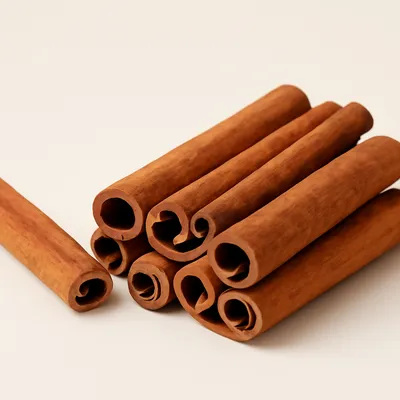
Cow's milk can be used; some serve with walnuts or fruit; some add cinnamon.
On the Palate
Where Cuajada sits in the Spanish flavor cloud
Ingredients
Serves 4How it's made
6 steps · 10 min active + 3 hours 50 min waiting
- 15 min
Heat sheep's milk to 37°C.
Watch outBring the milk only to blood-warm — a fingertip should feel it barely warm; too hot and the rennet enzyme dies and it won't set.
- 22 min
Dissolve rennet in a little cold water; stir into the milk.
- 32 min
Pour into individual bowls.
- 4480 min
Let set undisturbed at room temperature 4-8 hours.
Watch outLeave it dead still while it sets — any jostling breaks the fragile curd; it's ready when it wobbles as one soft, silky mass.
- 51 min
Refrigerate until cold.
- 61 min
Serve with honey, sugar, or walnuts.