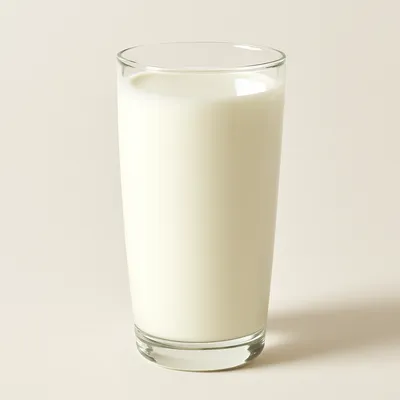



Queso de nata ('cream cheese') is from Cantabria. The region's high rainfall and green pastures produce exceptionally rich milk (high butterfat), which gives the cheese its creamy character. It is a young cheese — eaten within days of making, not aged.
A slice of pale yellow, soft, creamy cheese. It spreads like butter; the flavor is mild, milky, slightly tangy. With a piece of quince paste on bread, the sweet-savory contrast is perfect.
The cheese's softness comes from its high moisture content (not pressed during making) and high butterfat (from Cantabrian milk). It is essentially a fresh cheese — no aging, no rind. The cream's fat carries the dairy's aromatic compounds.
Variations
Some are lightly smoked; the age varies from hours to weeks; served with bread or crackers.
On the Palate
Where Queso de Nata sits in the Spanish flavor cloud
Ingredients
Serves 6How it's made
6 steps · 30 min active + 1 day 23 hours 30 min waiting
- 15 min
Heat fresh cow's milk to 32°C.
Watch outBring the milk to just body-warm at thirty-two degrees — too hot and the rennet won't set a clean curd.
- 245 min
Add rennet; let set 45 min.
- 35 min
Cut the curd; drain the whey.
- 45 min
Press lightly (do not crush).
Watch outPress only lightly — this is a soft fresh cheese, so crushing out the moisture would ruin its creamy texture.
- 55 min
Salt the exterior.
- 62880 min
Rest 24-48 hours in a cool place; serve fresh.


