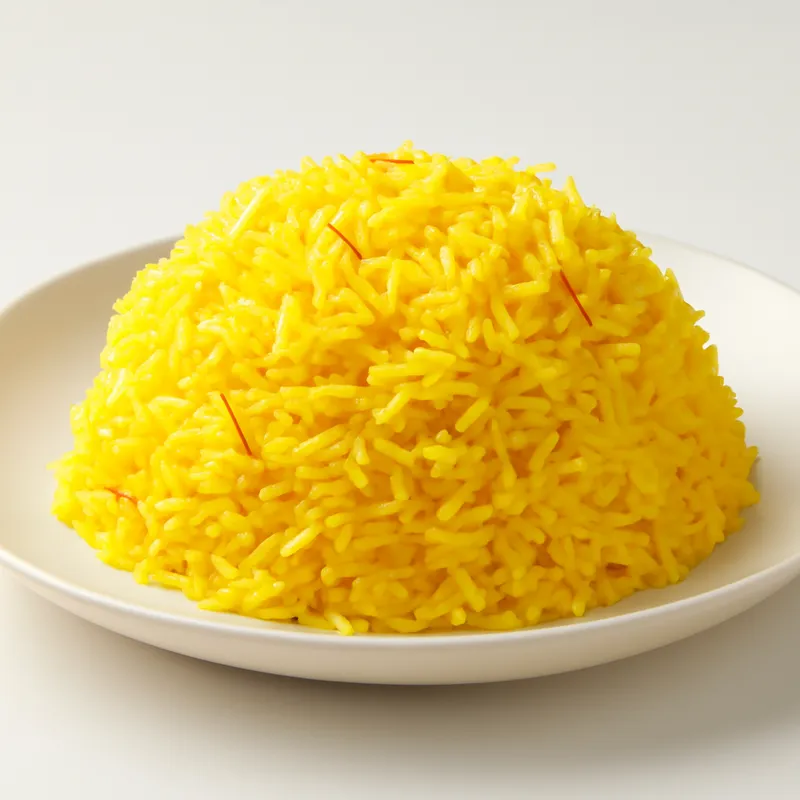
Torsh-e tareh is a tart Gilani dish built on a great mass of chopped greens, named for tareh, the small Persian leek that anchors it, rounded out with coriander, parsley, spinach, and other herbs. The greens are cooked down with garlic, soured sharply with bitter-orange juice, verjuice, or pomegranate, and then bound with beaten eggs stirred through so they marble into the herbs; a spoonful of rice flour or ground rice often thickens the dish. It sits somewhere between a loose stew and a soft herb omelette and is eaten with rice. The leaning is green, garlicky, and pointedly sour. It is everyday food in Gilan, especially around Rasht, Anzali, and Astara.

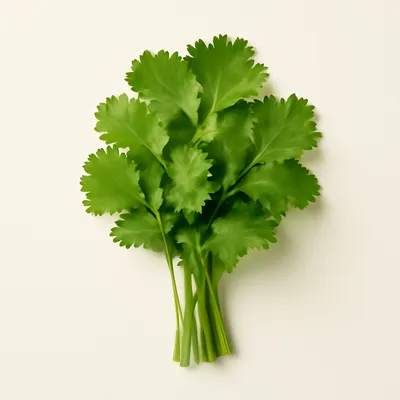



Torsh-e tareh comes from Gilan on Iran's Caspian coast, where a humid near-Mediterranean climate fills the markets with leeks, coriander, parsley, and spinach for much of the year, and the local cooking is built on greens far more than on meat. As a regional folk dish it has no single inventor or founding date on record; its real story is the Caspian terroir, whose vocabulary of sour herbs, garlic, and fish sets it apart from the meat-and-herb khoresh of inland Persia, a divergence shaped by Caucasus and Turkic neighbors and by the wet northern lowlands. The name states the dish plainly: torsh means sour, and tareh is the Persian leek (Allium ampeloprasum var. persicum), a small relative of the leek that reads oniony and faintly garlicky and gives the dish its backbone. The defining sourness traditionally comes from naranj, the bitter Seville orange that grows along the coast. It is everyday vegetarian fare, eaten with rice and often with smoked fish.
It comes to the table a deep cooked green, dense with finely chopped herbs and shot through with pale ribbons where the egg has set into the greens. The smell is grassy and herbal over a clear thread of garlic, and the first taste is bracingly sour, the bitter-orange or verjuice cutting straight through the richness of the egg. The texture is soft and a little thickened, neither a firm omelette nor a thin soup but something spoonable in between, best eaten folded into plain white rice that takes the edge off the tartness.
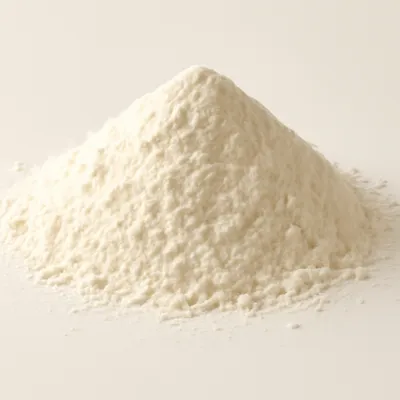
The dish is really a study in handling acid and eggs together. The greens are first wilted and cooked down with garlic to drive off raw harshness and concentrate their flavor, the garlic's sulfur compounds mellowing from sharp to sweet as they cook. Timing the acid matters: bitter-orange juice, verjuice, or pomegranate is added after the greens have softened, because a strongly acidic, low-pH liquid both keeps the chlorophyll-green color from going drab too fast and firms the texture of what follows. When the beaten eggs are stirred in, that acidity is doing real work, lowering the pH so the egg proteins unfold and coagulate at a lower temperature and set into fine, tender curds rather than rubbery lumps; gentle heat and constant stirring keep those curds soft and marbled through the herbs. A little rice flour or ground rice is often added as a thickener: its starch granules swell and gelatinize in the hot liquid, binding the watery herb juices into a cohesive, spoonable body and helping hold the sour, eggy mixture together.
Variations
The herb mix is flexible: tareh leads, but the proportions of coriander, parsley, spinach, and other greens shift with the season and the cook, with spinach usually the most generous and tareh used more sparingly. The souring agent is the main point of variation, traditionally bitter-orange (naranj) juice, with verjuice, sour-grape juice, lime juice, or pomegranate juice and molasses standing in when naranj is out of season. Some cooks fold the eggs through for a marbled, scrambled look, while others crack them in whole to poach on top. Rice flour or a little ground rice is optional, used by those who want a thicker body. It is most often served with plain rice and, in the Caspian style, alongside smoked fish and pickled garlic.
On the Palate
Where Torsh-e Tareh sits in the Persian flavor cloud
Ingredients
Serves 4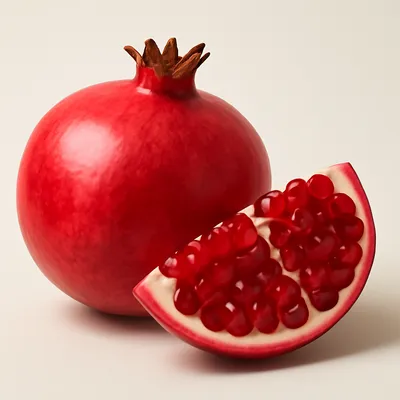


How it's made
8 steps · 25 min
- 125 min
Wash and very finely chop the tareh leek, coriander, parsley, spinach, and any other herbs, and drain them well.
- 24 min
Warm oil in a wide pot and gently saute the crushed garlic until fragrant but not browned.
- 312 min
Add the chopped greens and cook them down over medium heat, stirring, until they wilt, darken, and release and reduce their liquid.
Watch outCook the greens down until they darken and their released water reduces — cutting the acid in too early over watery greens tastes raw and thin.
- 42 min
If using, whisk a little rice flour or ground rice into a splash of water and stir it in to thicken.
- 56 min
Pour in the bitter-orange juice, verjuice, or pomegranate juice, season with salt, and let it simmer a few minutes so the flavors come together.
- 64 min
Lower the heat, then pour in the beaten eggs while stirring so they set into fine curds marbled through the greens.
Watch outTrickle the beaten egg in while stirring so it breaks into fine curds through the greens — dump it in still and it clumps into a lump.
- 75 min
Cook gently for a few minutes more until the eggs are just set and the mixture has thickened, then taste and adjust the sourness and salt.
Watch outPull it off once the eggs are just set and the mix has thickened — over-cooking here squeezes the egg dry and toughens it.
- 85 min
Serve warm with plain rice, traditionally with smoked fish and pickled garlic alongside.
Archive tool suggestions — not reviewed
These legacy suggestions have not been evidence-reviewed and are not presented as required tools.