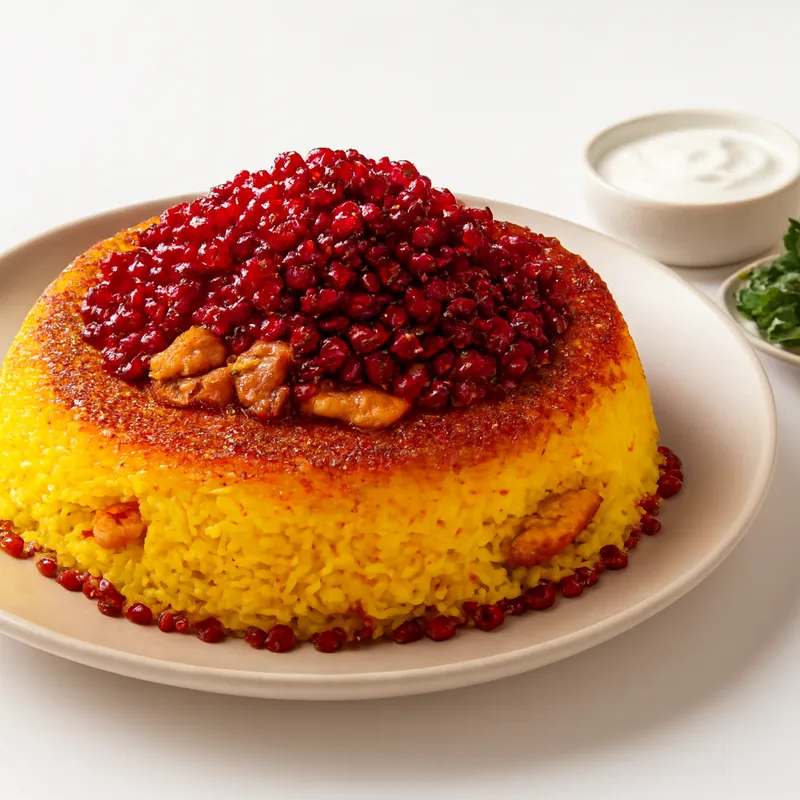
A hot, creamy winter soup built on kashk — Iran's sun-dried fermented whey — loosened with water and simmered with browned onion, crushed walnuts, dried mint and turmeric. It is a thrifty, warming dish eaten for breakfast or a light supper on cold days, ladled over torn bread. The walnuts give body and a faint bitterness; the kashk gives a deep, tangy savor; the dried mint and fried onion crown the top. In Shiraz and across the south it is a familiar cold-weather staple.




A humble, ancient whey soup of the Iranian plateau, its name from kalleh (a thick boiled mass) and joosh (to boil). It belongs to the broad family of kashk dishes that let nomadic and village households preserve dairy through fermentation and drying long before refrigeration; sources place its strongest roots variously in Isfahan, Yazd and Khorasan, and it is cooked with small regional tweaks across the country. Its precise birthplace is not settled. In Shiraz and the wider south it endures as a winter breakfast and a frugal, warming meal.
Thick and ivory-grey, with the rounded tang of fermented kashk up front and a soft, almost custardy walnut richness behind it. Dried mint cuts through with a cool, earthy lift, and the dark fried onions add sweetness and a little crunch on top. Eaten very hot, with bread torn straight into the bowl to soak.
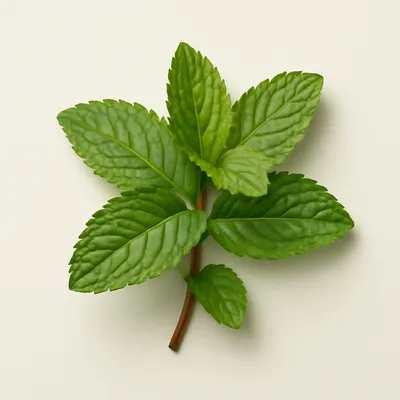
Kashk is the engine: fermenting and drying the whey concentrates its lactic tang and protein, so dissolved in water it thickens the soup and gives the dominant sour-savory note. It must be loosened and brought up gently — boiled hard, the milk proteins curdle and the texture turns grainy. The onions are fried slowly to dark gold so their sugars caramelize into sweetness that balances the acidity, while the walnuts are crushed fine to release their oils and thicken the body. Dried mint, not fresh, is bloomed in the hot oil at the end: drying mellows its sharp menthol into a warmer, dustier aroma that holds up in the hot liquid.
Variations
Some cooks build it on liquid kashk, others reconstitute the dried discs; the consistency runs from a thin pourable soup to a thick, near-spoonable stew. Yazdi and Khorasani versions are common reference points, sometimes adding fried garlic or a little flour to thicken; a leaner version skips walnuts entirely. Fresh herbs or a spoon of yogurt are stirred in by some households, and it is almost always finished with extra kashk drizzled in a swirl on top.
On the Palate
Where Kalleh Joosh sits in the Persian flavor cloud
Ingredients
Serves 4How it's made
7 steps · 15 min
- 110 min
Slice onions thin and fry slowly in oil until deep golden; lift out half for garnish.
Watch outFry the onions low and slow until they go deep gold, not just soft — that caramelized sweetness is what balances the sour kashk later.
- 24 min
Stir turmeric into the remaining onions, then add finely crushed walnuts and toast briefly.
- 33 min
Whisk the kashk with water until smooth and pourable.
- 45 min
Pour the kashk mixture into the pot and bring up gently over low heat, stirring so it does not curdle.
Watch outBring the kashk up gently over low heat, stirring constantly — a hard boil curdles the milk proteins and turns the soup grainy.
- 518 min
Simmer softly for 15–20 minutes until thickened and the walnuts have softened.
- 62 min
In a little hot oil, bloom the dried mint for a few seconds until fragrant.
Watch outThe dried mint blooms fast — pull it the moment it smells fragrant, a few seconds only, or the hot oil scorches it bitter.
- 73 min
Ladle into bowls, swirl extra kashk on top, and scatter with the reserved onions and minted oil; serve with bread.
Archive tool suggestions — not reviewed
These legacy suggestions have not been evidence-reviewed and are not presented as required tools.