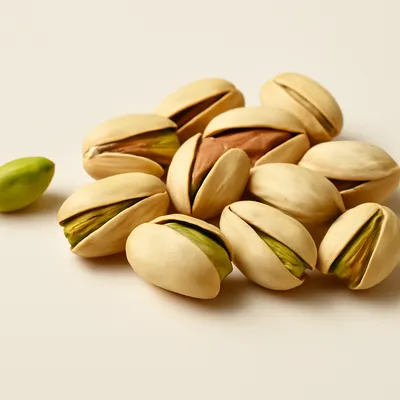
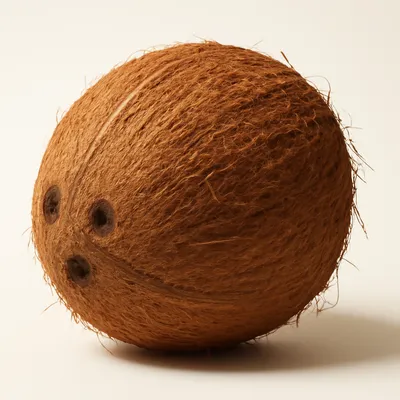
Cezerye is a dense carrot confection most associated with the Mediterranean port of Mersin, where grated carrots are cooked down with sugar into a deep orange-brown, caramelized paste, then bound with chopped walnuts, pistachios or hazelnuts. The set paste is cut into matchbox-sized bars or cubes and rolled in desiccated coconut. It is chewy and intensely sweet, eaten in small pieces with coffee or tea and given as an edible souvenir. The name comes from the Arabic cezer, meaning carrot. Despite being built around a humble root vegetable, the long caramelization gives it a toffee-like richness that masks the carrot almost entirely.


Cezerye belongs to the family of cooked-down vegetable and fruit pastes found across the eastern Mediterranean, and within Turkey it is the signature confection of Mersin on the southern coast. Its name is Arabic in origin, from cezer (carrot), the same root behind the Levantine Arabic jazariyya, literally 'made with carrots'; this etymology is consistent across Turkish and Arabic dictionaries. The sweet draws on a region rich in carrots and tree nuts, and the technique of slowly reducing a sugared vegetable into a sliceable paste is an old one, though no precise date or named originator can be confirmed. Boxed cezerye from Mersin is sold throughout Turkey, and the city treats it as a local trademark much as İzmit does pişmaniye. A separate confection of the same name, set from orange or citrus rather than carrot, exists in parts of the Levant and should not be confused with the Mersin carrot version described here.
A small bar yields to the teeth with a soft, fudgy chew, sticky and dense rather than crumbly, with the chopped nuts breaking the give. The flavor is deep caramel and brown sugar first, a warm toffee sweetness, with the carrot reading only as a faint earthy roundness underneath. The coconut coating adds a dry, fragrant edge and keeps the surface from sticking to the fingers. It is forthrightly sweet, so it is eaten in small squares, the bitterness of black coffee or tea cutting the sugar.
The transformation is driven by long, slow cooking. As grated carrot simmers with sugar, water is steadily driven off and the mixture thickens; meanwhile the carrot's own sugars and the added sugar undergo caramelization, while Maillard reactions between sugars and the carrot's trace proteins deepen the color to orange-brown and build the toffee aroma. Reducing the mass far enough is what lets it firm up as it cools into a paste solid enough to slice, since the high sugar concentration sets to a dense, chewy body rather than a crystalline one. The chopped nuts are folded in for crunch and to keep the paste from being uniformly soft, and the desiccated coconut coating absorbs surface moisture so the pieces stay dry and separate. The carrot also lends color and natural sweetness, contributing beta-carotene that reinforces the deep orange tone.
Variations
The nut is the main variable: walnuts are common and economical, while pistachio and hazelnut versions are prized, and some makers use a mix or fold in extra coconut through the body rather than only on the outside. Texture ranges from softer and more paste-like to firmer and chewier depending on how far the carrots are reduced. A few recipes scent the paste with cinnamon or a little citrus, and pistachio cezerye is sometimes pressed thin and rolled around a whole-nut filling. The unrelated citrus-set confection sold under the same name in the Levant is a different sweet altogether.
On the Palate
Where Cezerye sits in the Turkish flavor cloud
Ingredients
Serves 10
How it's made
7 steps · 1 hour 30 min
- 120 min
Peel and finely grate fresh carrots, then simmer them gently with a little water in a wide heavy pan until very soft.
- 210 min
Stir in the sugar and continue cooking over low to medium heat, stirring often, so the carrots break down and the mixture thickens.
- 340 min
Keep cooking and stirring as the water cooks off and the paste turns deep orange-brown, glossy and thick enough to pull away from the pan (about 30 to 45 minutes).
Watch outCook it down until it's glossy and pulls cleanly away from the pan — stop too soon and it stays a loose jam that won't set firm enough to slice.
- 45 min
Off the heat, fold in the chopped walnuts, pistachios or hazelnuts and a little ground cinnamon if using.
- 58 min
Spread the hot paste into a tray lined with coconut to an even thickness, smooth the top, and dust more coconut over the surface.
- 6180 min
Cool to room temperature, then chill until fully set and firm, at least 2 to 3 hours.
Watch outChill it until fully firm before cutting — cut it warm or half-set and the bars slump and won't hold their edges.
- 712 min
Turn out and cut into small matchbox-sized bars or cubes, rolling the cut sides in extra desiccated coconut before serving.
Archive tool suggestions — not reviewed
These legacy suggestions have not been evidence-reviewed and are not presented as required tools.