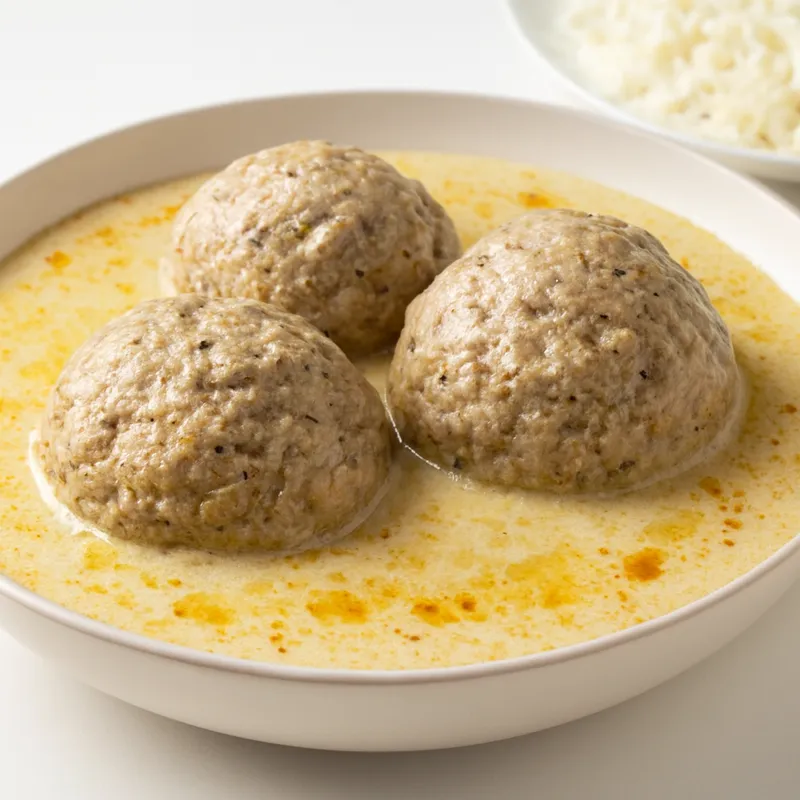
A Persian-origin Eid festival pudding in which ghee-fried thin vermicelli simmers in whole milk with chopped dates, saffron, chironji seeds, and layered toasted dry fruits. Served on the morning of Eid ul-Fitr as the first dish of the feast day — before any other food — it is shared across all social strata in Hyderabadi Muslim households, offered to every guest who crosses the threshold.


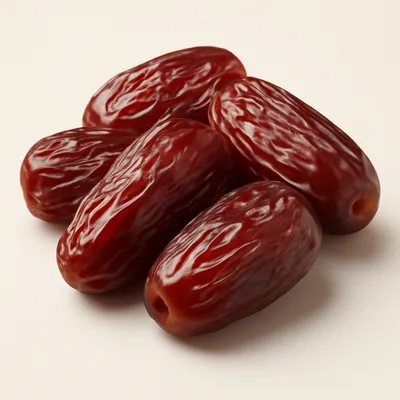
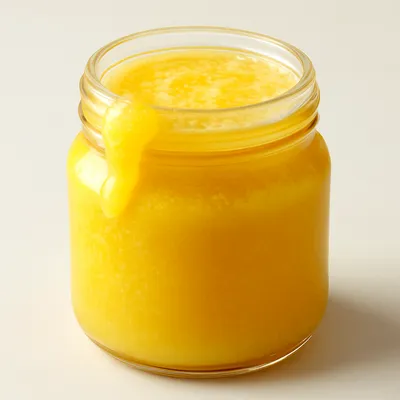
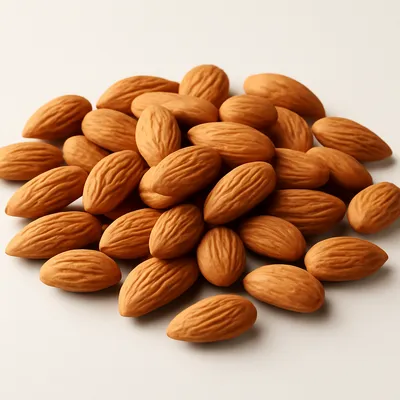

The name derives from Persian: sheer meaning milk, khurma meaning dates. The original form — dates simmered in milk — reached the Indian subcontinent via Persia and Afghanistan; Mughal court kitchens added ghee-fried vermicelli to transform it from a drink into a substantial pudding. Hyderabadi kitchens under the Nizams further refined it with chironji seeds, saffron, and elaborate dry-fruit layering. Sheer Khurma is the defining Eid-morning dish of Hyderabadi Muslim households — cooked by women through the night before Eid, then shared with the entire family after dawn prayers and offered to all guests throughout the feast day.
Warm and yielding: the first spoonful carries saffron's floral warmth and cardamom's camphor note; thin vermicelli dissolves almost imperceptibly in the milk's concentrated sweetness; dates lend a deep caramel undertone; chironji seeds and fried nuts add intermittent crunch.
Ghee-frying the vermicelli at medium-high heat triggers the Maillard reaction at each strand's surface — amino acids and reducing sugars produce pyrazine and furanone compounds that build a toasted, nutty aromatic baseline. Prolonged milk simmering at 80–90°C concentrates lactose via evaporation and gently caramelizes it, building a mawa-like richness without any added condensed milk. Vermicelli starch granules gelatinize in this temperature range, swelling as they absorb the enriched milk and thickening the pudding naturally. Saffron's crocin pigment and volatile safranal disperse more fully when first bloomed in warm ghee before the milk is added. Dates' fructose and glucose contribute additional sweetness while their tannins exert a mild protein-astringency that keeps the milk from tasting heavy.
Variations
Pakistani version uses thinner milk consistency with fewer toppings; Afghan original omits vermicelli, preserving the simple date-and-milk base; South Indian adaptations use coconut milk alongside dairy; modern versions add condensed milk or rose water for extra richness.
On the Palate
Where Sheer Khurma sits in the Indian flavor cloud
Ingredients
Serves 4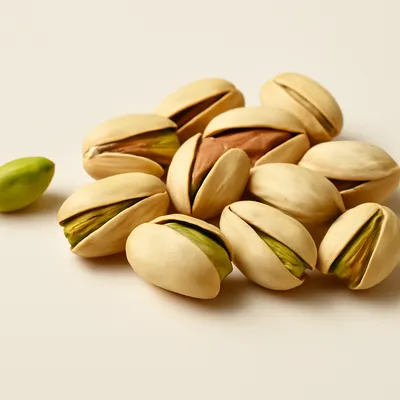
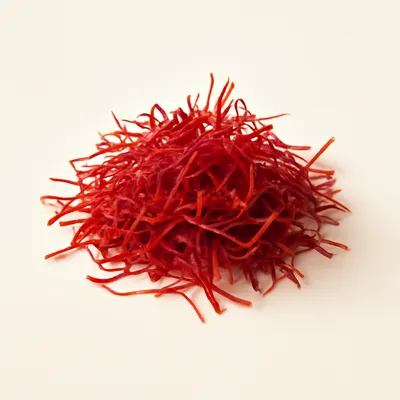
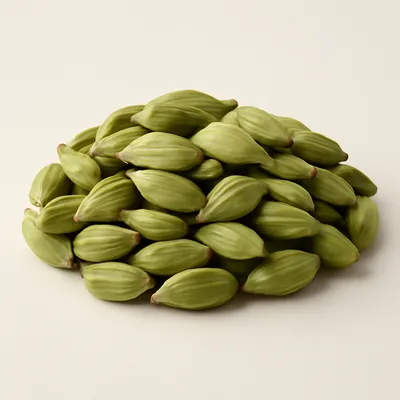

How it's made
8 steps · 35 min
- 130 min
Soak almonds in hot water for 30 minutes; peel and slice thin. Separately, soak saffron in 2 tablespoons of warm milk for 10 minutes.
- 26 min
Heat ghee in a heavy-bottomed pot over medium heat; fry cashews until lightly golden, remove. Fry sliced almonds and pistachios until pale gold, remove. Add chironji seeds for 30 seconds, remove.
- 32 min
In the same ghee, add dates; stir-fry for 1 minute until slightly softened and fragrant. Remove and set aside.
- 43 min
Add thin vermicelli to the pot; fry over medium heat for 2–3 minutes, stirring constantly, until evenly golden brown and nutty-smelling.
Watch outFry the vermicelli, stirring nonstop, only to an even gold and nutty smell — a shade too far and it turns bitter and muddies the whole pudding.
- 55 min
Pour in whole milk; bring to a gentle simmer over medium heat, stirring frequently to prevent the vermicelli from sticking.
- 612 min
Add the saffron-infused milk, cardamom, and sugar; simmer for 10–12 minutes, stirring often, until milk thickens slightly and vermicelli is fully cooked through.
Watch outSimmer gently and stir often so the vermicelli doesn't catch and scorch on the bottom — burnt milk taints the delicate flavour past saving.
- 72 min
Add fried dates, nuts, and chironji; fold in gently. Taste and adjust sweetness.
- 82 min
Serve warm, or cool and refrigerate. Garnish with reserved fried nuts just before serving.