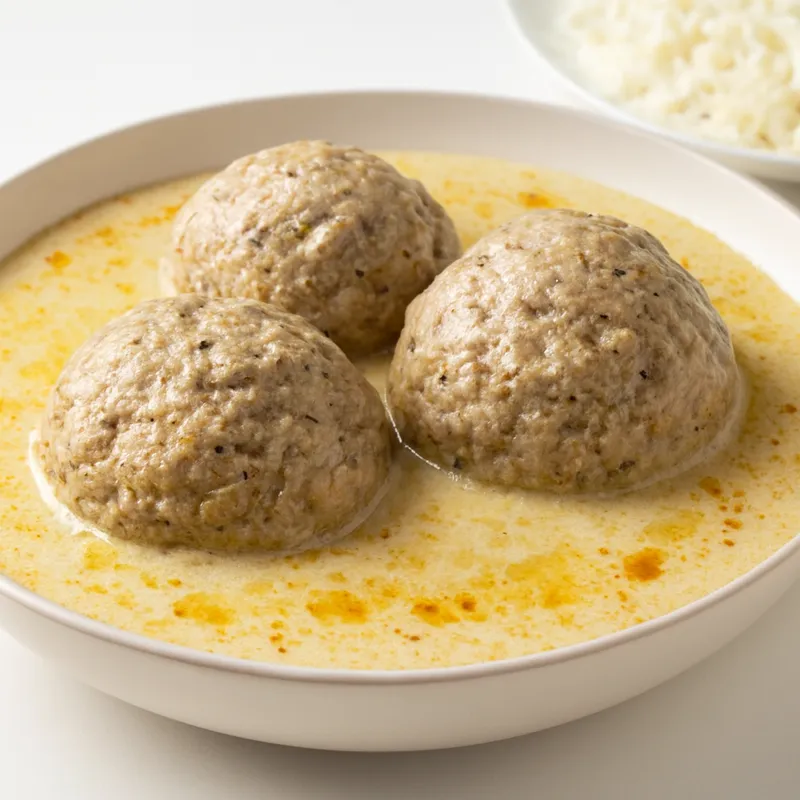
A festive Odia deep-fried sweet dumpling: a soft dough of semolina or rice flour, kneaded with hot water and ghee, is stuffed with coconut and jaggery, sealed into flat cakes, and fried until the crust is golden and crisp while the center stays soft. It is one of the 56 offerings of the Jagannath Temple at Puri.

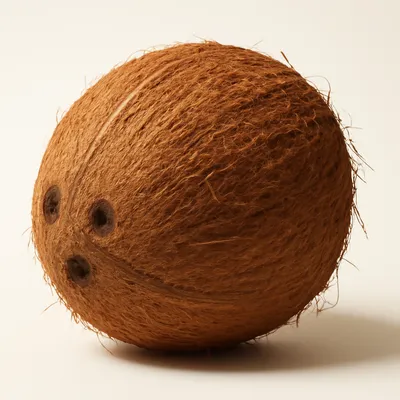

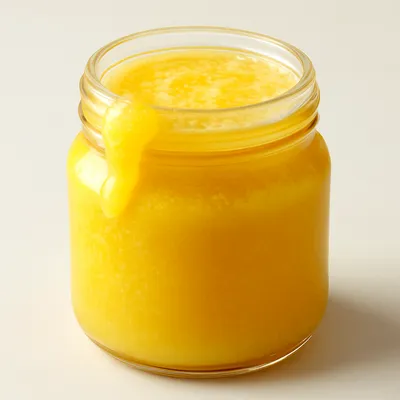
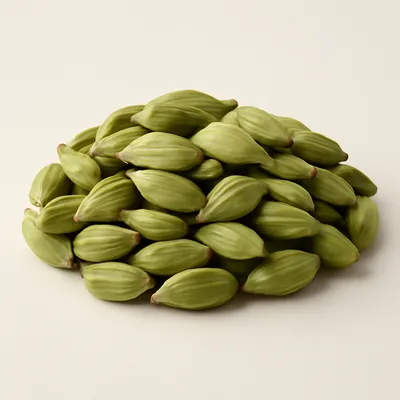

Kakara pitha is a deep-fried sweet dumpling of Odisha, and one of the 56 items of the Chappana Bhoga offered daily to Lord Jagannath at the Puri temple. The name within the Odia pitha family refers to the flat, stuffed, fried form. Two dough traditions are used: the older rice-flour form, in which rice flour is cooked into a soft dough with boiling water and ghee, and the more recent semolina (suji) form, which gives a slightly crunchier crust. In either, the dough is flattened, a spoonful of coconut-and-jaggery filling (sometimes with chhena, cardamom, and black pepper) is placed inside, the edges are sealed into a flat half-moon or disc, and the dumpling is deep-fried until golden. Kakara pitha is made for Snana Yatra, Rath Yatra, Kumar Ashtami, Holi, and other festive and temple occasions; like the other Jagannath-bhog pithas it follows satvik principles — no onion, no garlic. Its crisp-outside, soft-inside contrast is the defining textural goal.
A crisp, golden, ghee-fried shell splitting to a soft, warm, coconut-jaggery filling, with a faint hum of cardamom and black pepper.
The dough is engineered to stay soft inside while crisping outside. Mixing the flour (rice or semolina) with boiling water partially gelatinizes its starch immediately, giving a smooth, pliable dough that can be rolled thin and sealed around a wet filling without tearing; the small amount of ghee in the dough adds fat that keeps the cooked interior tender. Deep-frying at roughly 170–180°C dehydrates and browns the surface through Maillard reactions on the dough's proteins and the jaggery's sugars, forming a crisp crust, while the dense, low-water interior barely cooks further and stays soft. The coconut-jaggery filling is cooked before frying, so it only needs to warm through; its jaggery binder holds it together, and the sealed edges prevent it leaking into the oil. The contrast — a thin, audibly crisp shell around a soft, sweet core — is what a well-made kakara is judged on.
Variations
The suji (semolina) version is crunchier and more common now; an ata (wheat) kakara is softer, and a chhena-filled version is richer and more festive.
On the Palate
Where Kakara Pitha sits in the Indian flavor cloud
Ingredients
Serves 6How it's made
6 steps · 25 min
- 18 min
Cook grated coconut with jaggery, cardamom, and black pepper into a thick filling, then cool.
Watch outCook the coconut-jaggery filling till thick, then cool it fully — a wet, warm filling steams and bursts the dough open in the fryer.
- 26 min
Boil water with ghee, salt, and a little sugar, then stir in semolina (or rice flour) to form a soft dough.
Watch outStir the semolina into the boiling ghee-water so the starch part-gelatinises — that's what makes the dough pliable enough to seal round the wet filling without tearing.
- 34 min
Cover briefly to steam, then knead the hot dough smooth.
- 45 min
Pinch off portions, flatten each, place a spoon of filling inside, and seal into a flat disc.
- 58 min
Deep-fry the stuffed discs in hot ghee or oil until golden and crisp on both sides.
Watch outDeep-fry till golden and crisp on both sides — the low-water interior barely cooks further, so the colour of the crust is your only doneness cue.
- 62 min
Drain and serve warm.