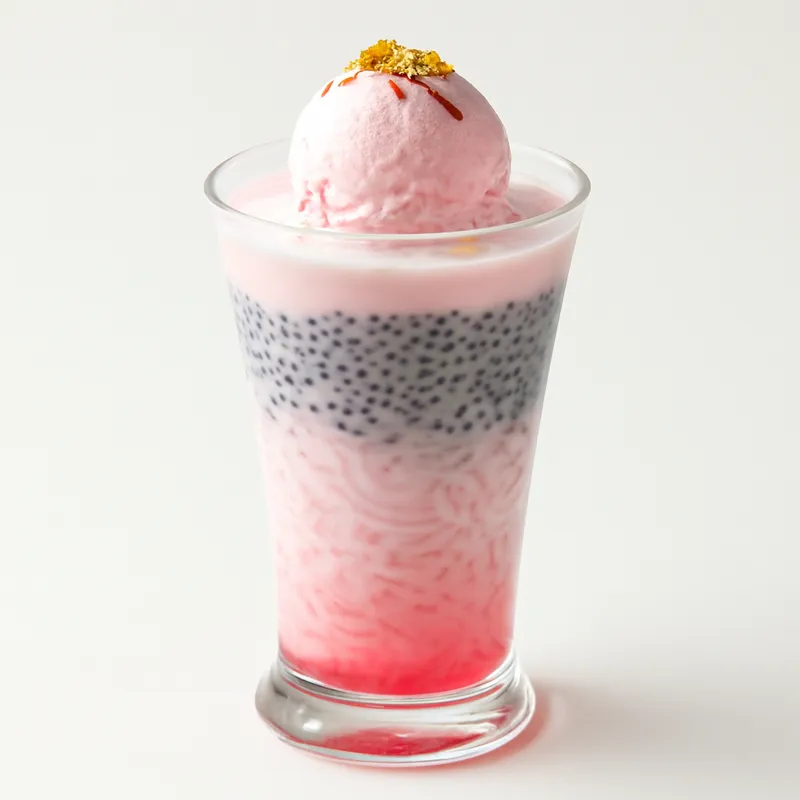
A traditional dry sweet snack of Bihar, in which thin wheat-flour vermicelli is deep-fried in ghee until crisp and golden, then coated in a sugar syrup or tossed in powdered sugar with cardamom. Unlike the milky sheer khurma of Eid, this is a crunchy, keepable, festive bite — distinctively Bihari, served at Chhath and as a tea-time treat.

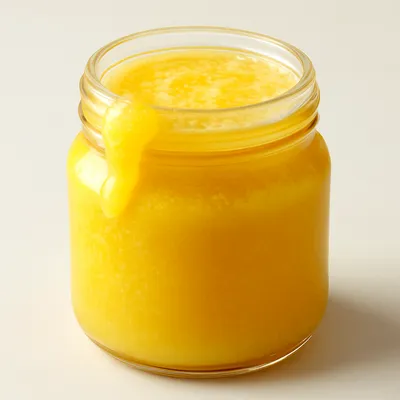

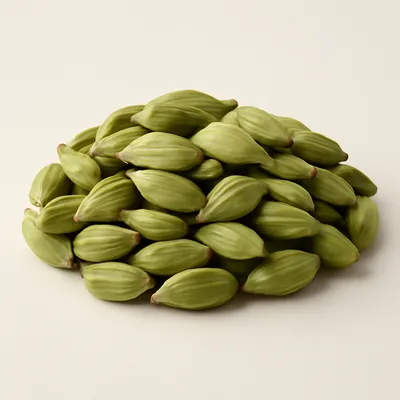
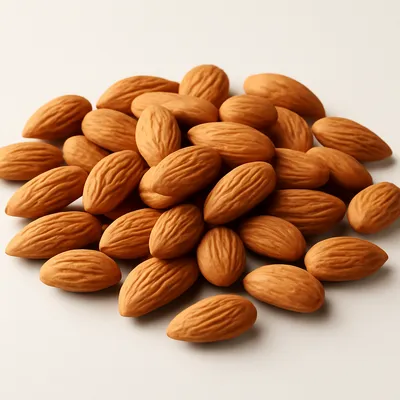
Khurma is a dry, sweet, fried-vermicelli snack of Bihar (and parts of eastern Uttar Pradesh and Jharkhand), distinct from the better-known sheer khurma, which is a milky vermicelli pudding of Persian descent served at Eid. Where sheer khurma simmers vermicelli in milk with dates and nuts, the Bihari khurma fries thin wheat-flour vermicelli in ghee until crisp and golden, then coats it in a sugar syrup or tosses it in powdered sugar with cardamom — producing a dry, crunchy, keepable snack rather than a wet dessert. The dish belongs to the wider North Indian festive-snack tradition, and in Bihar it is made for Chhath Puja and as an everyday tea-time treat; its dry, crisp character means it stores well in airtight tins, which is why it appears among the preserved festive foods of the season. The vermicelli is made from a stiff wheat-flour dough pressed through a sev or vermicelli maker into thin strands, or hand-rolled; the use of ghee for the fry and the sugar coating are what give the snack its richness and its long shelf life.
An audibly crisp, ghee-fried vermicelli strand coated in a thin, crystalline sugar shell, with a warm cardamom hum and a roasted-wheat sweetness.
The snack's crunch comes from the deep-fry and the sugar coating. The wheat-flour vermicelli, pressed thin, has a high surface-area-to-mass ratio, so it dehydrates almost instantly in hot ghee at roughly 170–180°C — its starch gelatinizes and sets into a rigid, glassy strand that shatters audibly, and its sparse proteins Maillard-brown for the golden color and roasted-wheat flavor. The sugar coating, applied from a syrup cooked to the thread or soft-crack stage, sets on cooling into a thin, crystalline shell that adds sweetness and a second layer of crunch; alternatively, a toss in powdered sugar gives a softer, matte coating. The ghee, as the frying medium, both conducts heat evenly and contributes its own roasted-milk flavor, and because it is nearly all fat with little water, the fried strands keep their crunch for weeks in an airtight container — the low water activity means no staling. Cardamom, folded into the sugar, releases its fat-soluble aromatics into the coating.
Variations
Chopped nuts are folded in for richness; a fennel-scented version is common, and the strands may be cut shorter for easier eating.
On the Palate
Where Khurma sits in the Indian flavor cloud
Ingredients
Serves 6How it's made
6 steps · 20 min
- 15 min
Knead a stiff dough of wheat flour, a little ghee, and water.
- 25 min
Press the dough through a vermicelli or sev maker into thin strands.
- 312 min
Deep-fry the strands in hot ghee in small batches until golden and crisp.
Watch outFry the thin strands in small batches until just golden and crisp — they're so fine they color in seconds, and a crowded pan steams them soft instead of shattering-crisp.
- 43 min
Drain and set aside.
- 58 min
Cook sugar with a little water and cardamom to the thread stage.
Watch outCook the sugar syrup only to the thread stage — under-done it won't set into a shell on the strands, over-done it seizes hard and clumps them.
- 65 min
Toss the fried strands in the syrup to coat, or simply toss in powdered sugar; cool and store airtight.