
Santula is a light, everyday Odia mixed-vegetable dish: an assortment of vegetables — raw papaya, brinjal, potato, pumpkin, beans, tomato — boiled or lightly sautéed together and only mildly spiced. It is finished with a tempering of panch phoran (and often mustard seeds, cumin, and green chili) bloomed in a spoonful of mustard oil, with little oil otherwise. A milk-finished form, khira santula, rounds the spice with a faint creaminess; a thinner, water-based form is called pani santula. Deliberately low-fat and easy to digest, it is a staple home side eaten with rice or dal.
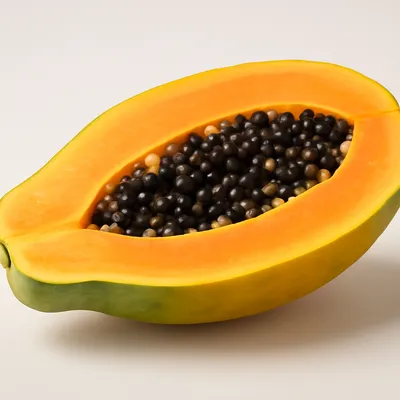


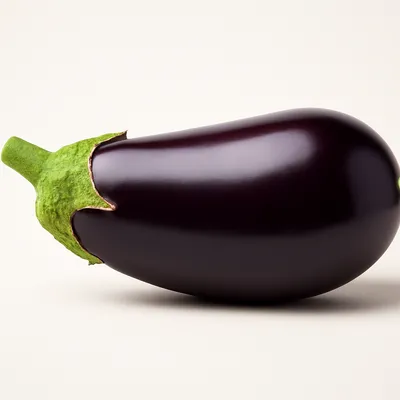


Santula is an everyday home vegetable dish of Odisha in eastern India, with no single recorded origin — it is a household staple rather than a restaurant or court creation. It exists in two principal forms: sijha santula, in which the vegetables are simply boiled, and bhaja santula, in which they are lightly sautéed first for a deeper flavor. Within the boiled style, cooks further distinguish pani santula (thinner, water-based) from khira santula (finished with milk). The mix of vegetables shifts with the season and the household, but the defining character — many vegetables, minimal oil and spice, a panch-phoran tempering — is consistent across Odia kitchens.
Soft, just-tender pieces of mixed vegetable in a thin, very lightly spiced base — gentle and clean-tasting, the vegetables still holding their shape rather than collapsing into mash. In the khira form a splash of milk gives a faint, mild creaminess; the panch-phoran tempering and a hint of green chili lift the whole without making it hot. It is served warm and spooned over plain rice.
Vegetables of differing densities are cooked together but staged by hardness — potato and pumpkin go in first, softer pieces like brinjal and tomato later — so everything reaches just-tender at the same time and each piece holds its shape. Very little oil is used in the pot itself. Flavor comes mostly from a finishing tadka: panch phoran (with mustard seeds, cumin, and dried chili) is bloomed in hot mustard oil at roughly 170-180°C, which volatilizes the seeds' aromatics and the oil's allyl isothiocyanate, then folded into the vegetables. In the khira form a splash of milk is stirred in at the end; it rounds the spice and lends a faint creaminess without building a heavy gravy. Only a little water is used so the dish stays a moist side rather than a soup.
Variations
The lightest version is sijha santula, in which the vegetables are simply boiled; bhaja santula sautées the vegetables first for a deeper, rounder flavor. Within the boiled style, pani santula is thinner and water-based while khira santula is finished with milk for a mild creaminess — so the dish may be made with or without milk. The vegetable mix changes with the season, and some homes lean potato-heavy or add a little grated coconut. It contrasts with the heartier Odia Dalma, a dish of lentils and vegetables: Santula contains no lentils, only vegetables.
On the Palate
Where Santula sits in the Indian flavor cloud
Ingredients
Serves 4


How it's made
7 steps · 15 min
- 110 min
Peel and cut the vegetables — raw papaya, potato, pumpkin, brinjal, beans and tomato — into similar bite-sized pieces so they cook evenly.
- 23 min
Bring a pot of lightly salted water to a boil and add the firmest vegetables first, such as potato and pumpkin; cook for 1-2 minutes.
Watch outAdd the hard vegetables first, softer ones later — staging by density is what gets everything just-tender together with each piece holding its shape.
- 37 min
Add the remaining vegetables along with turmeric and a green chili, and boil gently until everything is just tender but still holding its shape — do not overcook to mush.
Watch outStop while the vegetables still hold their shape — cooked to mush, santula loses its whole character.
- 43 min
In a separate small pan, heat a spoonful of mustard oil and bloom the panch phoran (with mustard seeds and cumin) and a dried chili until the seeds crackle and smell fragrant.
Watch outBloom the panch phoran in hot mustard oil until the seeds crackle and smell fragrant — that finishing tadka carries most of the dish's flavor.
- 51 min
Pour the hot tempering over the cooked vegetables and fold it through.
- 62 min
For a khira-style finish, stir in a splash of milk and warm through briefly, keeping the base loose rather than thick.
- 72 min
Adjust salt and serve warm with plain rice or dal.
Archive tool suggestions — not reviewed
These legacy suggestions have not been evidence-reviewed and are not presented as required tools.


