Kutch's signature street snack: a soft ladi pav stuffed with sweet-spiced mashed potato, layered with tamarind-date chutney, fresh pomegranate seeds, roasted peanuts, coconut chutney, and crunchy sev — invented in Mandvi in the 1960s and now eaten across India.





Dabeli — meaning 'pressed' in Kutchi dialect — was created by Keshavji Gabha Chudasama, a street vendor from Mandvi in Kutch district, in the 1960s. Chudasama adapted the Mumbai vada pav concept, replacing the deep-fried potato dumpling with a gently spiced mashed-potato filling enriched with a proprietary dabeli masala and dressed with tamarind-date chutney, coconut chutney, pomegranate seeds, and roasted peanuts. The snack spread from Mandvi to Bhuj and across Gujarat through the 1970s and 1980s, gaining national recognition after food writers documented Kutchi cuisine in the 1990s. Dabeli stalls now operate in virtually every Indian city, and the snack is sold pre-packaged in Indian supermarkets worldwide.
The first press releases a burst of sweet-sour-spicy heat from the chutneys, followed by a cloud of soft spiced potato and the bright pop of pomegranate; the sev and peanuts deliver a persistent crunch that plays against the pillowy pav.
The dabeli masala — dried chillies, coriander, cumin, and warm spices — releases fat-soluble colour and aromatic compounds into the oil during the brief sauté of the potato filling, achieving deep flavour penetration rather than surface coating. The soft pav's open crumb absorbs chutney rapidly without soaking through, supported by its high-gluten, enriched-flour structure. Temperature contrast is central: the filling is served warm or at ambient temperature while the sev and pomegranate are raw and cool, so the palate simultaneously registers warm-soft and cool-crisp sensations. The layering sequence — bottom chutney, potato, top chutneys, peanuts, pomegranate, then sev — keeps crunchy elements away from the moisture-rich centre, preventing the sev from softening before the first bite.
Variations
Cheese dabeli adds a layer of grated processed cheese melted over the filling. Jain dabeli omits peanuts and replaces potato with raw banana. Masala dabeli doubles the spice quantity. In Maharashtra, the base chutney is sometimes replaced with a green coriander-mint chutney for a fresher profile.
On the Palate
Where Dabeli sits in the Indian flavor cloud
Ingredients
Serves 4


How it's made
7 steps · 30 min
- 110 min
Boil 3 large potatoes until soft; peel and mash until smooth. Heat 1 tbsp oil in a pan, add 2 tsp dabeli masala and sauté 30 seconds, then fold in the mash with salt and 2 tsp sugar until evenly combined.
- 212 min
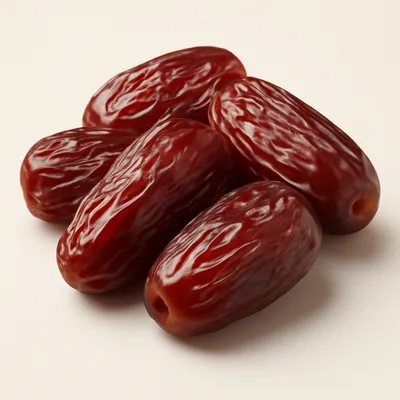
Simmer tamarind pulp, 6 pitted dates, 2 tbsp jaggery, ½ tsp cumin, and ½ tsp chilli powder with ½ cup water over medium heat for about 10 minutes until thick; blend and strain to make the tamarind-date chutney.
Watch outSimmer the tamarind-date chutney until it's thick enough to cling — too thin and it soaks the pav to mush instead of coating it.
- 33 min
Stir 3 tbsp desiccated coconut into 3 tbsp prepared green coriander-mint chutney to make the coconut chutney layer.
- 42 min
Slit 4 ladi pavs almost through without separating. Spread tamarind-date chutney generously on both inner cut surfaces.
- 52 min
Spoon the spiced potato filling into each pav, pressing gently to distribute evenly inside.
- 63 min
Drizzle tamarind chutney and coconut chutney over the filling; scatter roasted peanuts, fresh pomegranate seeds, and chopped coriander on top.
- 73 min
Finish with a generous sprinkle of fine sev, press the pav lightly closed, and serve immediately.
Watch outAdd the crisp sev only at the very end, right before serving — sit it in the moist filling and it goes soft and loses its crunch.


