
National breakfast — catfish-and-banana-stem broth thickened with chickpea flour, ladled over rice vermicelli with egg, fritter, chili oil.
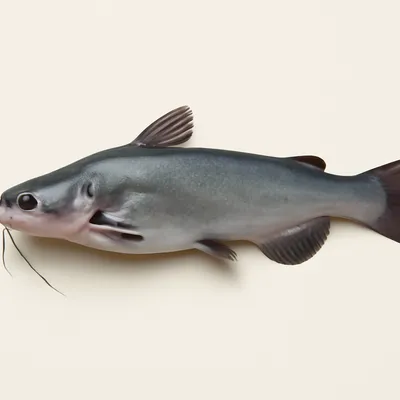


Bamar lowland dish, documented in colonial Yangon street records by the 1880s. Tradition ties it to Irrawaddy delta fishing villages where catfish and banana plant were everyday catches. Sold from shoulder-pole stalls before sunrise.
Author Daw Mi Mi Khaing's 1975 'Cook and Entertain the Burmese Way' lists mohinga as the only dish eaten at any hour. Yangon's 999 Shan Noodle and Myaung Mya Daw Cho are the city's two mohinga benchmarks.
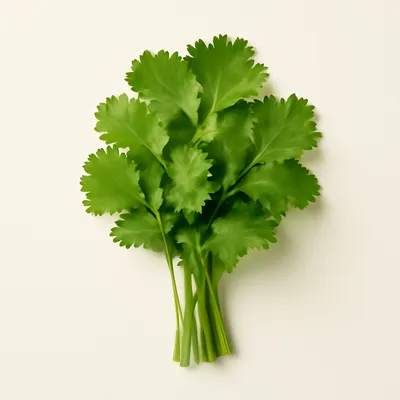
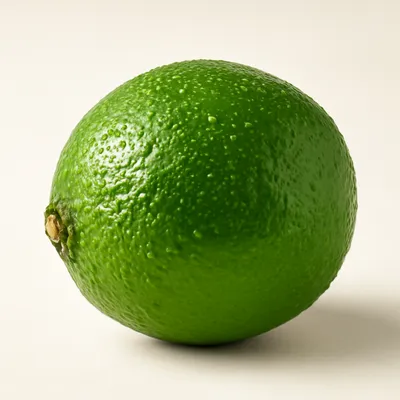
Thin yellow-grey broth, slightly gritty from chickpea flour, fish-funky from ngapi. Soft rice vermicelli. Toppings non-negotiable: crisp split-pea fritter, halved boiled egg, fresh cilantro, lime, dried-chili oil.
Banana-stem core gives the broth its vegetal sweetness and absorbs fish oil — substituting cabbage flattens it. Chickpea-flour slurry must go in at the simmer, stirred constantly, or it lumps. Ngapi is non-optional; without it the broth tastes thin.
Variations
Mon-style (Mont Hin Gar) leans heavier on lemongrass and uses snakehead instead of catfish. Rakhine version (Rakhine mont di) is sharper, more chili-forward, served drier. Mandalay vendors add toasted chickpea powder at table.
On the Palate
Where Mohinga sits in the Burmese flavor cloud
The chickpea-flour slurry is the tricky move: stir it into simmering broth and keep stirring, or it seizes into lumps instead of thickening the soup to that signature silky body.
Ingredients
Serves 6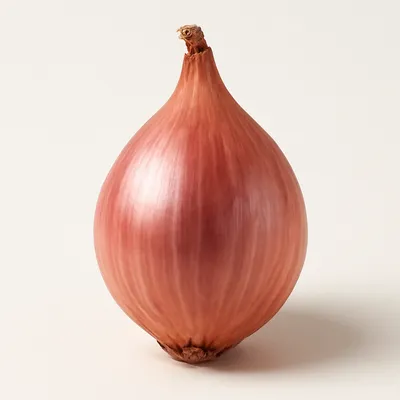



How it's made
5 steps · 23 min active + 50 min waiting
- 130 min
Simmer 1 catfish + lemongrass + ginger in 2 L water 30 min; flake fish, reserve broth.
- 28 min
Sauté 4 sliced onions in oil + add chili-shrimp paste; 8 min.
Watch outFry the onions and chili-shrimp paste until the raw edge cooks off and the mix smells deeply savory, about 8 minutes.
- 310 min
Pour in fish broth; stir in 80 g chickpea flour slurry to thicken; add banana stem chunks.
Watch outTrickle in the slurry with the broth actively simmering, stirring the whole time so it never clumps.
- 420 min
Simmer 20 min; return flaked fish; salt to taste.
Watch outLet it simmer 20 minutes so the flavors marry and the broth bodies up before the fish goes back in.
- 55 min
Ladle over cooked rice vermicelli; top with boiled egg, fritter, chili oil, lime.


