
Dry-style mohinga — rice noodles tossed with the same fish-broth garnish set (chickpea crackers, banana stem, hard-boiled egg) but no broth.



A drier take long associated with inland Myanmar—most notably Taungoo, north of Yangon, where mohinga is traditionally served in so little broth it eats almost like a tossed noodle salad. The low-broth, concentrated form suits hot, monsoon-humid weather too sticky for a bowl of hot soup, and is now common at Yangon stalls as well.
Rangoon Tea House (Pansodan Street, opened 2014) serves a version at lunch for 6,500 kyat — chef Htet Myet Oo prepares the glaze fresh daily, never holding over.
Same flavor crown as mohinga — banana-stem crunch, fried-chickpea snap, fish-paste depth, lemongrass aromatic — but cool and concentrated. Less soothing, more punch.
Broth reduction is the key — you boil mohinga stock down to a glaze by half, then toss with cooked noodles. The fish-shallot-lemongrass mass clings to the strand without diluting.
Variations
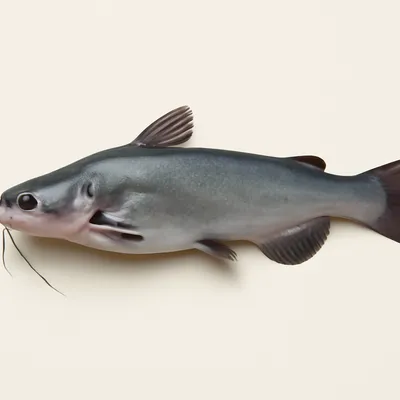
Sagaing river-town version adds catfish chunks on top. Yangon Chinatown version uses thicker mont di noodles and tops with crushed dried-fish floss from Mawlamyine.
On the Palate
Where Mohinga Salad sits in the Burmese flavor cloud
Ingredients
Serves 4
How it's made
4 steps · 39 min
- 130 min
Make mohinga garnish components: chickpea crackers, banana stem chunks, hard-boiled eggs (#2333).
- 24 min
Boil 400 g rice noodles 3 min; drain.
Watch outPull the noodles at just-tender and drain them well — any clinging water dilutes the dressing and the strands turn slippery instead of gripping the sauce.
- 33 min
Toss noodles with chili oil + fish sauce + lime; no broth.
Watch outToss until every strand is glossy with chili oil and there's no puddle at the bottom of the bowl — this is a dry salad, the sauce should coat, not pool.
- 42 min
Top with garnishes; serve at room temperature.


