
Kyet-tha hin — onion-shallot-garlic-ginger Bamar curry with fish-sauce-and-turmeric backbone. Thinner gravy than Indian curry, oil on top.

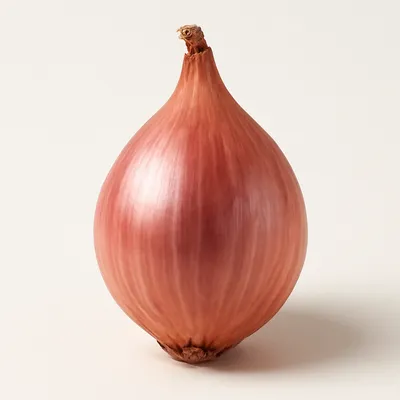




Bamar weeknight default since the colonial period — adapted from Anglo-Indian curry templates introduced through Yangon but rebuilt on Bamar ingredients (ngapi, fish sauce, turmeric) and Bamar technique (oil-on-top reduction).
Burmese cookbook author U Aung Thein's 1962 'Myanma Sa Phwe' specifies a 1:1:1 ratio of onion to garlic to ginger by weight — a measure that distinguishes Bamar from Indian curries (which lean garlic-heavy).
Bone-in chicken thighs in a thin, oil-slicked yellow-brown gravy. Onion melts into the sauce. Strong garlic-and-ginger nose, soft turmeric earth, salt from fish sauce. Eaten with rice and a side of fresh-vegetable plate.
Si-pyan ('oil returns') technique: cook the masala in oil over high heat, add chicken, then simmer covered until the oil separates and rises to the surface. If the oil never returns, the curry isn't done.
Variations
Yangon style is wetter and uses tomato. Mandalay style is drier with more oil on top. Bamar-Muslim version adds bay leaf and cardamom and skips fish sauce, substituting salt.
On the Palate
Where Chicken Curry sits in the Burmese flavor cloud
Ingredients
Serves 4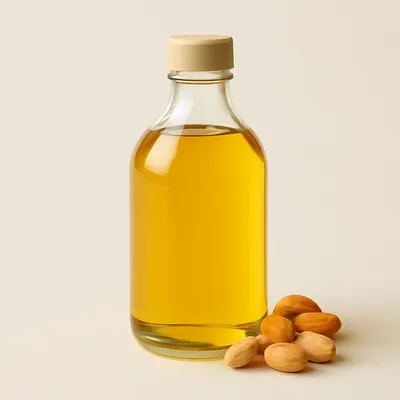
How it's made
4 steps · 15 min active + 45 min waiting
- 15 min
Sauté shallot-garlic-ginger paste in oil 5 min.
Watch outFry the shallot-garlic-ginger paste until it smells sweet and mellow and the raw sharpness is gone — this base sets the whole curry's depth.
- 210 min
Add chicken pieces + turmeric + fish sauce; brown 10 min.
- 335 min
Pour 400 ml water; simmer covered 35 min.
- 410 min
Reduce uncovered 10 min until oil rises clear on top.
Watch outThe curry's done only when a slick of clear red oil rises and pools on top — that's the si-pyan 'oil returns' sign; no oil, keep reducing.


