
Burmese semolina cake — coconut, poppy seed, raisin, and ghee baked into a dense slab. The tea-shop afternoon constant.



Tea-shop staple introduced by Indian Tamil and Anglo-Indian bakers to colonial Rangoon in the 1880s. Name means 'semolina rich' in Burmese. Now made in Buddhist alms-giving rotations and at every wedding tea-table.
Yangon's Sweety Home bakery (Bogyoke Aung San Road, opened 1962) makes 200 trays daily — owner U Tin Win cuts each tray into 36 pieces sold at 250 kyat each.
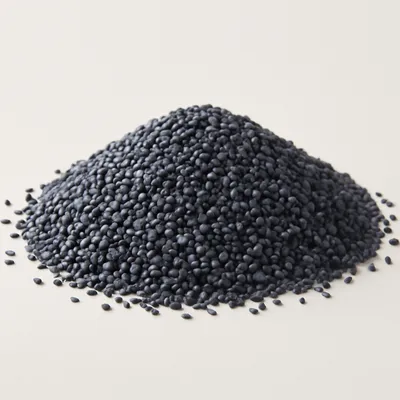
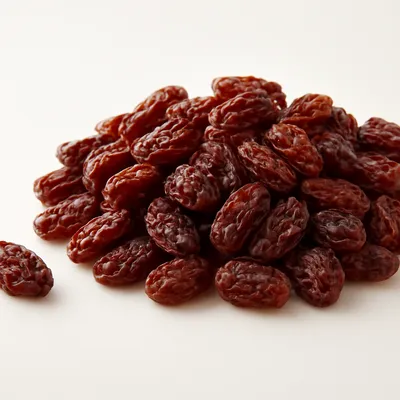
Pale-gold slab with poppy-seed black freckles, dense moist crumb, ghee glistening on the cut surface, raisin sweet pocket. Eaten in 2-cm squares with hot Burmese milk-tea, never with anything cold.
Semolina is toasted dry until straw-gold then cooked into thick coconut-milk porridge before baking — this two-stage cook prevents grittiness in the final crumb. Ghee brushed on top creates the signature glaze.
Variations
Mandalay-palace version adds cashew and pistachio. Mon-state Mawlamyine version uses jaggery from local toddy palm and skips poppy seed — sold at the Strand Road night-market stalls.
On the Palate
Where Sanwin Makin sits in the Burmese flavor cloud
Ingredients
Serves 8
How it's made
4 steps · 10 min active + 50 min waiting
- 18 min
Mix 300 g semolina + 100 g sugar + 100 g coconut + 100 ml coconut milk + 2 tbsp poppy seed + 60 g raisin + 60 g ghee.
Watch outToast the semolina dry to straw-gold first — that pre-toast is what stops the baked crumb from tasting gritty.
- 22 min
Pour into greased baking tray, 2 cm thick.
- 340 min
Bake 175 °C for 40 min until golden and set.
Watch outBake to golden and just-set, about 40 min — the top should firm up while the inside stays moist; the ghee up top sets into that glossy skin.
- 410 min
Cool; cut into squares.


