
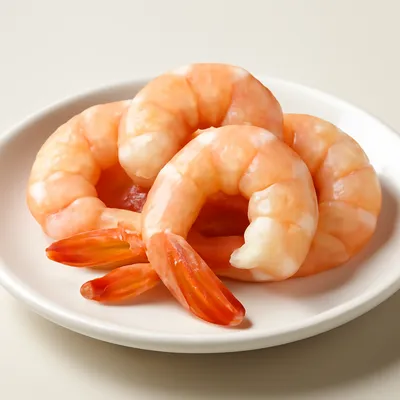
Perhaps the most widely eaten vegetable dish in Burma: tangy roselle leaves stir-fried hard and fast with garlic, fresh green chili, and a handful of prawns. The natural sourness of the leaves makes it bright, garlicky, and deeply appetizing.




Chin baung ywet, the sour roselle leaf, grows abundantly across Myanmar and is cherished as the everyday green of village and city kitchens alike. Its lemony tartness needs no added acid, making chin baung kyaw a quick, thrifty dish that pairs with almost any rice meal. Cooks fry it with whatever they have on hand, from dried shrimp to bamboo shoots, and it remains a comforting taste of home for Burmese far from Myanmar.
A bright, lemony sourness hits first, balanced by sweet prawns and the slow heat of green chili. The wilted leaves are tender with just a little bite, and the garlicky oil ties it together into something fresh and deeply savory over rice.
Roselle leaves contain natural plant acids that provide built-in tartness, so high-heat stir frying preserves their bright color and sourness before they overcook. Quick cooking keeps the cell walls partly intact, giving the dish its signature fresh tang rather than a stewed flatness.
Variations
Chin baung kyaw with bamboo shoots, with dried shrimp, with fish, vegan version with just garlic and chili
On the Palate
Where Chin Baung Kyaw sits in the Burmese flavor cloud
Ingredients
Serves 4How it's made
8 steps · 15 min
- 15 min
Pick roselle leaves from their stems and wash them thoroughly.
- 23 min
Roughly chop the leaves and shake off excess water.
- 32 min
Heat oil in a wok and fry sliced garlic until fragrant.
- 42 min
Add peeled prawns and sliced green chili, stir-frying briefly.
- 52 min
Toss in the roselle leaves over high heat and stir constantly.
Watch outToss the roselle over high heat, stirring nonstop — fast cooking preserves the leaves' natural tartness and bright colour before they stew flat.
- 61 min
Season with fish sauce and a small pinch of salt as the leaves wilt.
- 72 min
Cook just until the leaves collapse and turn deep green, keeping them tangy.
Watch outPull it the moment the leaves collapse and turn deep green — a few seconds past that and the signature fresh tang is gone.
- 81 min
Serve immediately alongside steamed rice.


