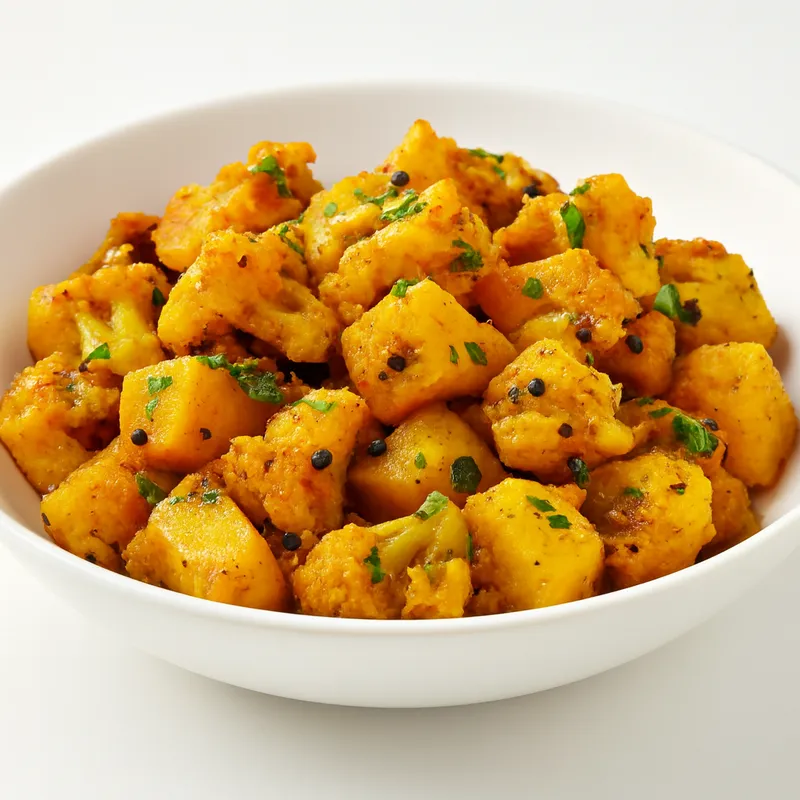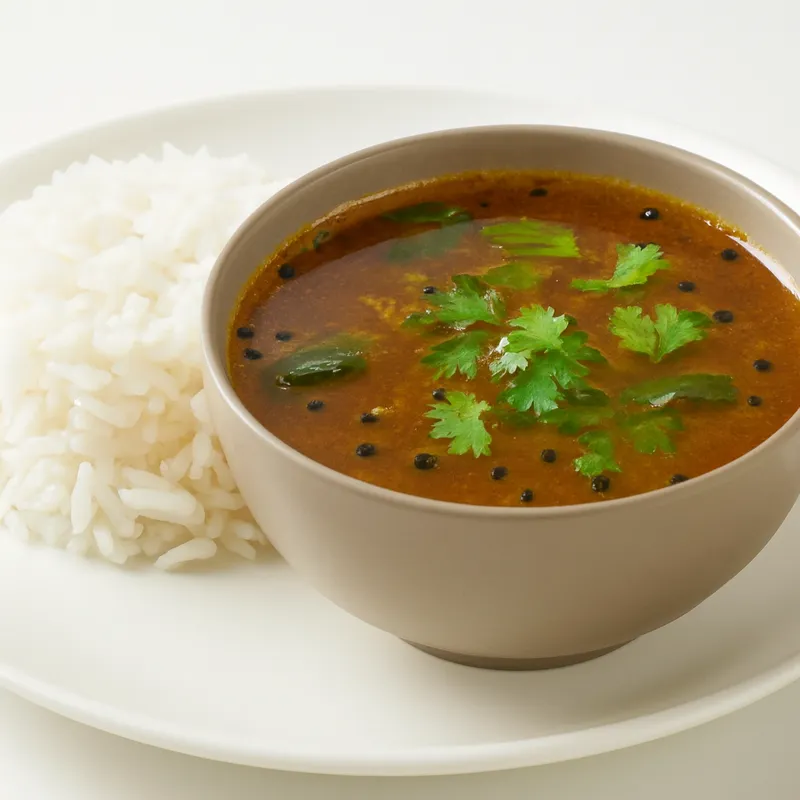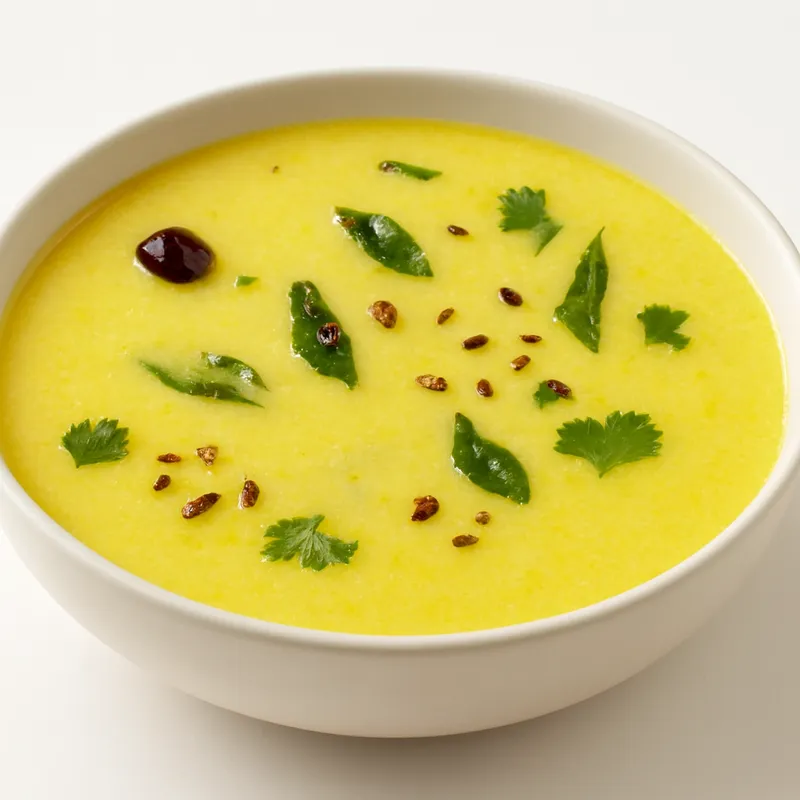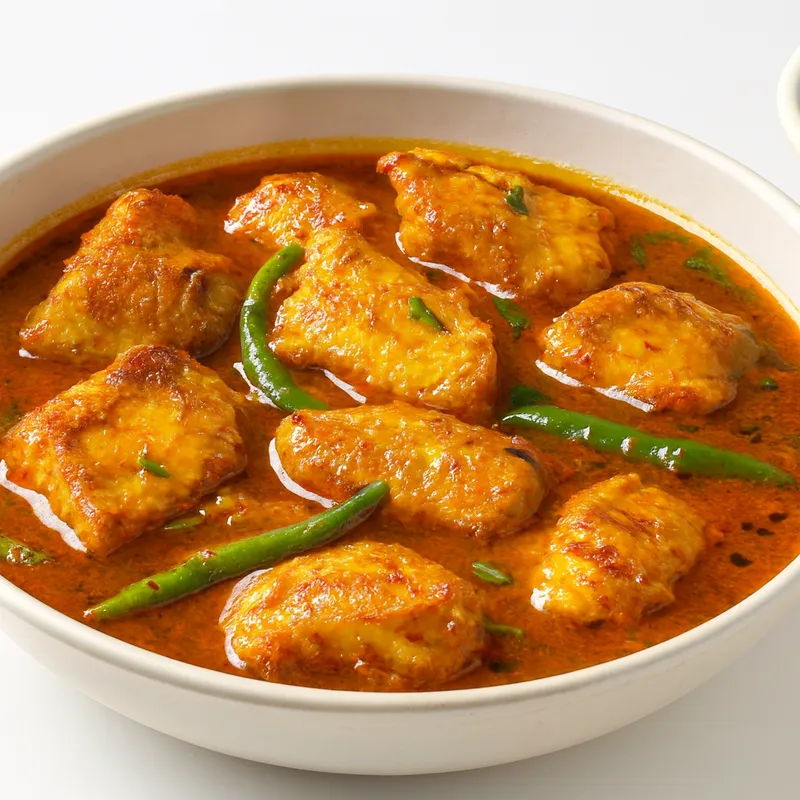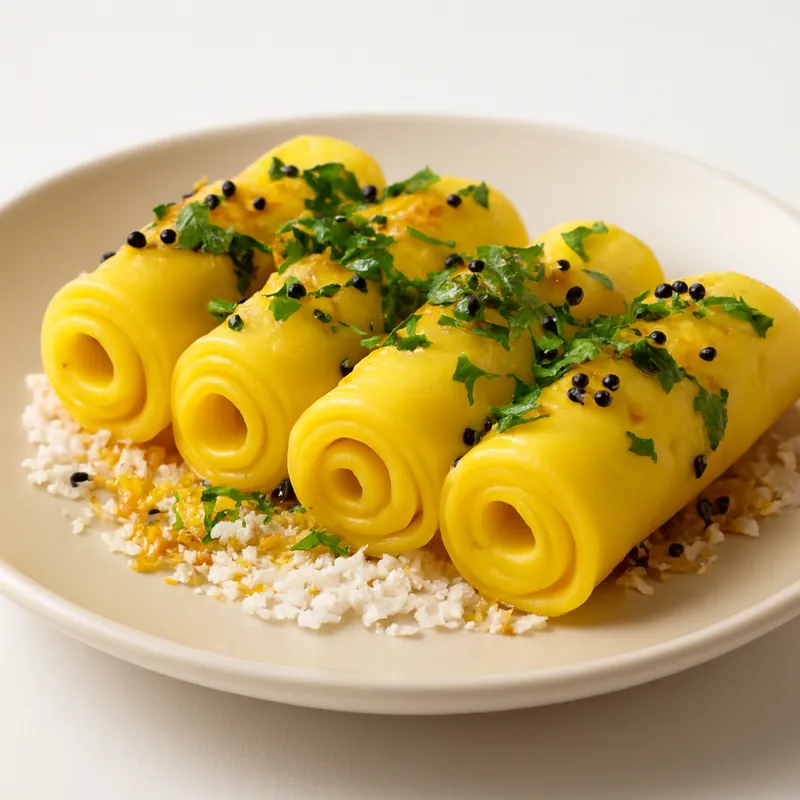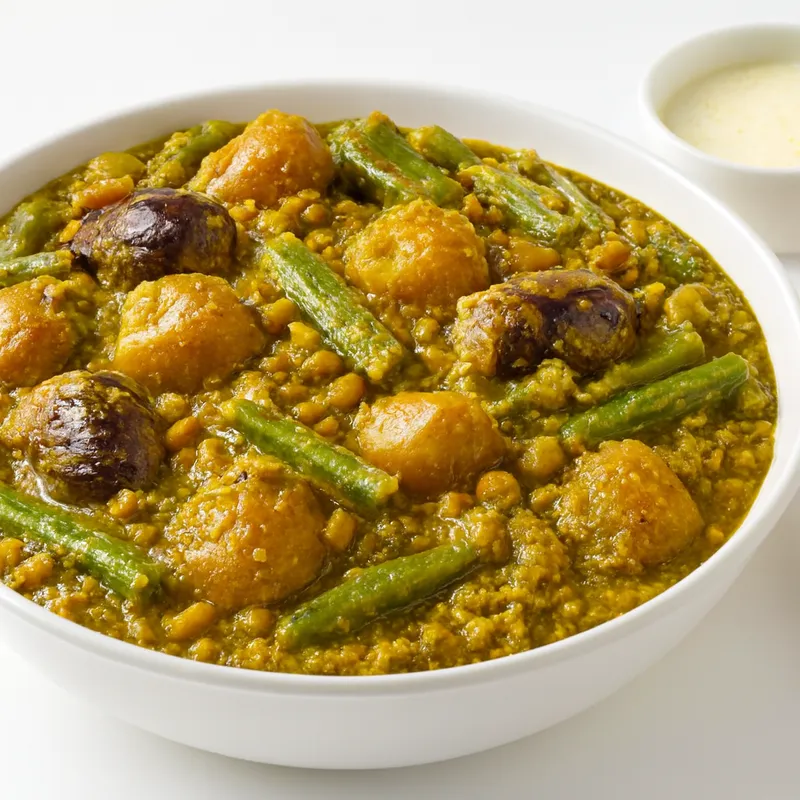
Undhiyu is a rich, aromatic mix of winter vegetables slow-cooked with spices and coconut.



Tied to Surat and southern Gujarat's Uttarayan kite festival in mid-January, when the winter vegetables specific to the dish are at peak. The name comes from Gujarati 'undhu' meaning upside-down — traditionally cooked underground in a sealed clay pot (matlu) inverted in a fire pit. That technique survives in villages; urban kitchens use a pressure cooker.
From Surat for the mid-January Uttarayan kite festival. Name from Gujarati undhu — upside-down, traditionally cooked in a sealed clay matlu inverted in a fire pit. The fenugreek-besan muthia dumplings are the keystone, going in shallow-fried before they hit the masala.
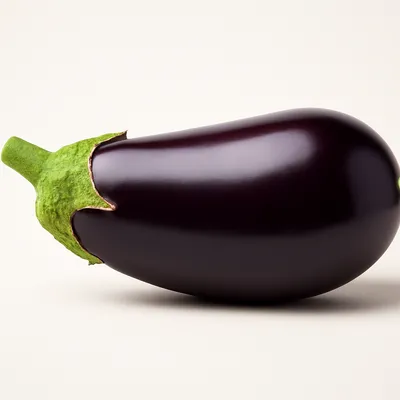
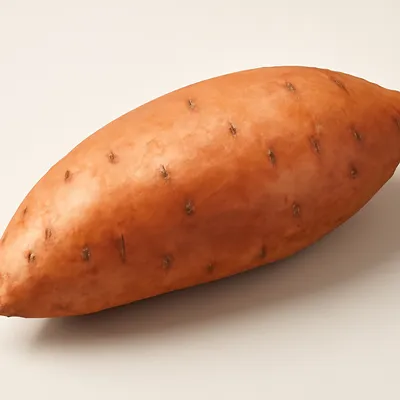
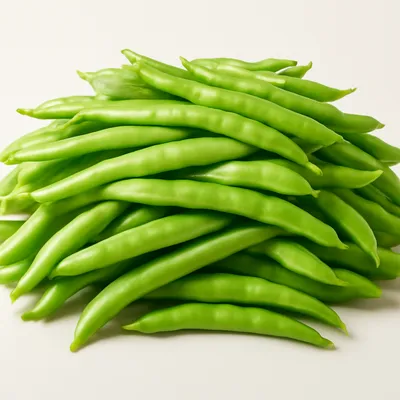
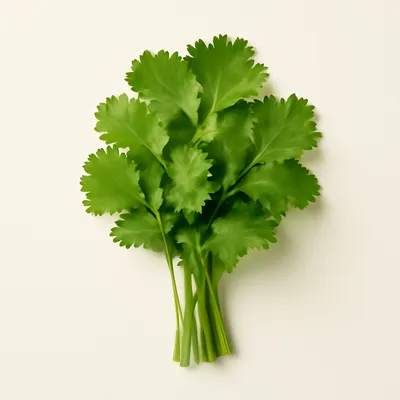
A heavy mixed-vegetable casserole eaten in Gujarati winter — surti papdi (broad beans), small purple yam, baby brinjal, sweet potato, plantain, and methi-besan dumplings (muthia) all cooked together with green garlic and a coriander-coconut paste. The vegetables stay distinct, not mush. Slightly bitter from methi, sweet from yam, oily on top — meant to be heavy. Eaten with puri.
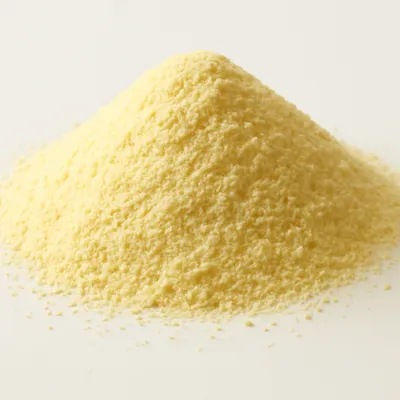
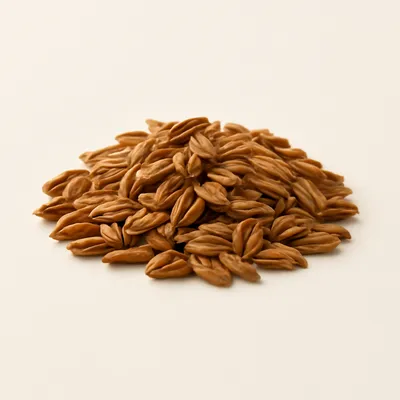
The muthia — fenugreek-and-besan dumplings shallow-fried before going in — are the keystone. They absorb the masala without disintegrating and add the textural break against the soft vegetables. The layering order matters: hardest roots at the bottom (closest to heat), softest beans on top, paste smeared between layers. Stir during cooking and you get a sad mash.
Variations
Surti undhiyu (the canonical winter version with surti papdi and muthia); Kathiyawadi version skips muthia and runs spicier; Mumbai-Gujarati restaurant umbadiyu uses underground-pit cooking still; Vaishnav versions skip green garlic, the regional fingerprint.
On the Palate
Where Undhiyu sits in the Indian flavor cloud
Ingredients








How it's made
5 steps · 42 min
- 12 min
In a large, heavy-bottomed pot, heat a few tablespoons of vegetable oil over medium heat. Add the ginger, green chilies, and asafoetida, stirring until fragrant and the spices bloom, about 2 minutes.
Watch outAsafoetida and chili go fragrant and foam gently in the hot oil, no browning — about 2 minutes.
- 210 min
Add the root vegetables: sweet potato, potato, yam, and eggplant. Stir to coat them evenly with the spiced oil. Cook for 10 minutes, stirring occasionally, until the vegetables begin to soften.
Watch outRoots take on a sheen of spiced oil and just start to soften at the edges before the water goes in.
- 310 min
Introduce a small amount of water to the pot, just enough to create steam, and cover with a lid. Allow the vegetables to steam for another 10 minutes until they are half-cooked.
- 415 min
Add the Surti Papdi Beans and plantain to the pot. Stir gently and continue to cook, covered, for an additional 15 minutes until all vegetables are tender but still hold their shape.
Watch outBeans and plantain stay whole and tender; nudge gently at most, never fold through.
- 55 min
Remove the lid and cook for a final 5 minutes, allowing excess moisture to evaporate. The vegetables should be coated with a thin layer of spice and oil. Finish with a garnish of chopped cilantro and a squeeze of lime juice before serving.
Watch outLid off, moisture cooks away until each piece wears just a thin film of spice and oil.
Archive tool suggestions — not reviewed
These legacy suggestions have not been evidence-reviewed and are not presented as required tools.
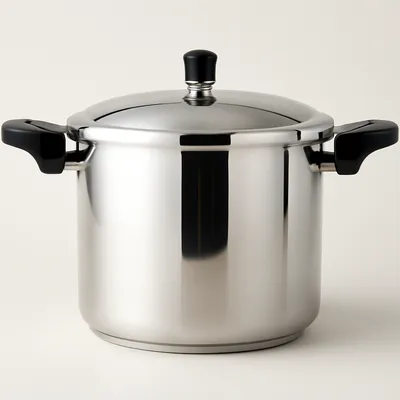
A sealed pot that lifts the boiling point of water from 100°C to ~120°C by trapping steam at 1 bar above ambient pressure. Tough cuts (oxtail, beef shank, dried beans) cook in 30 minutes instead of 4 hours; the higher heat denatures collagen faster than a long simmer. Modern electric versions (Instant Pot) automate the pressure cycle; old stovetop ones (Presto, Kuhn Rikon) hiss alarmingly but cost a fraction.

A round-bellied unglazed clay pot, 1.5-3 liters, with a domed lid and side handles, used for slow-cooking Chinese soups, claypot rice (煲仔饭), and stews. The clay's high porosity diffuses heat slowly so soups never come to a violent boil — flavor develops over 2-3 hours of low simmer. Cantonese claypot rice gets its prized crispy bottom (锅巴) from the same direct-flame stovetop heat that would crack a less robust pot.