
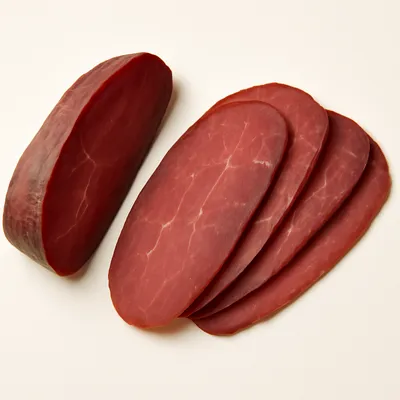


Highland preservation cuisine from the pre-refrigeration era: when a household slaughtered a cow, far more meat appeared than could be eaten before spoilage, and the cool dry highland air made air-drying possible year-round. Quanta let beef keep for months and travel with caravans, soldiers, and pilgrims well before any modern infrastructure existed.
Highland preservation cuisine from before refrigeration — beef air-dried in cool dry mountain air kept for months. Berbere is doing double duty: flavor plus capsaicin-and-garlic antimicrobial action that slows surface bacteria during the multi-day window.
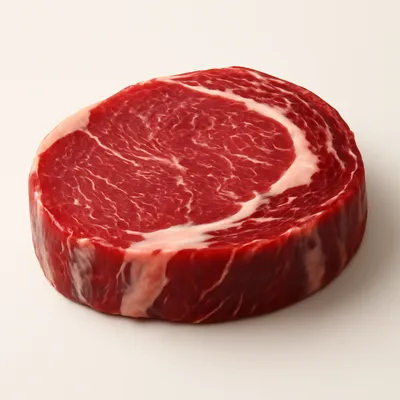
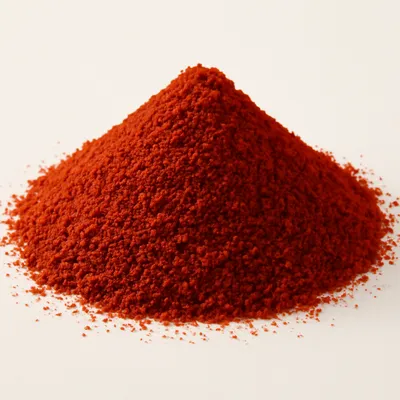
Beef sliced into long thin strips, rubbed with berbere, salt, and sometimes mitmita, then air-dried — traditionally hung on a string near the kitchen rafters until leathery. Eaten as is, torn off in pieces, or fried briefly in niter kibbeh to crisp the edges. Chewy, intensely salty, the berbere concentrating into something darker than fresh paste.
Quanta keeps for two reasons working together. The primary preservative is salt plus dehydration: salt draws moisture out of the meat and the cool dry highland air carries off the rest, lowering the water activity until bacteria and mould can no longer grow — this is the real basis for any dried meat keeping. Berbere plays a secondary, supporting role: the chili, garlic and dried onion in the blend have mild antimicrobial properties and add a layer of protection at the meat surface during the multi-day drying window. The air must stay dry — humid days trap moisture and the meat sours before it cures, producing failed quanta. Modern home cooks substitute a low oven (roughly 60–70°C) for the highland air, drying the strips for several hours (recipes vary, commonly around 6–8).
Variations
Plain air-dried quanta (chewed as is); quanta firfir tears the dried meat and tosses it through injera with niter kibbeh; modern home cooks use a 60°C oven for 6-8 hours; Tigrayan versions push mitmita harder.
On the Palate
Where Quanta sits in the Ethiopian flavor cloud
Ingredients


How it's made
5 steps · 1 day
- 1274 min
Slice beef into thin, even strips.
Watch outSlice the beef thin and all one thickness — even strips dry through at the same rate; a thick piece stays damp in the middle and sours while the thin ones finish.
- 2137 min
Rub beef strips with salt, berbere, and other spices.
Watch outRub the salt and berbere in hard so every surface is coated — the salt pulls the water out, and that's what actually keeps the meat; a light dusting won't draw enough.
- 3343 min
Lay strips on a rack to air-dry in a cool, dry place.
Watch outHang the strips where the air is cool and truly dry with airflow — a humid day traps moisture and the meat sours before it dries; you want the surface tacky within hours, not wet.
- 4343 min
Turn strips occasionally to ensure even drying.
Watch outTurn the strips now and then so both faces meet the air — a piece left flat stays damp underneath and can mould on the down side.
- 5343 min
Once fully dried, store in an airtight container.
Archive tool suggestions — not reviewed
These legacy suggestions have not been evidence-reviewed and are not presented as required tools.