
Pacific-coast bocachico layered with green plantain, yuca, and aromatic herbs in a pot, moistened with coconut milk and a little water, then covered with banana or bijao leaves and braised — the Chocó village method named for cooking 'tapado' (covered).

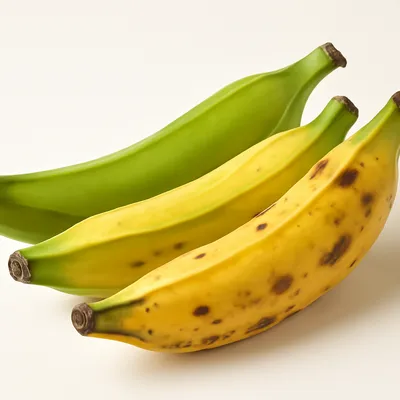
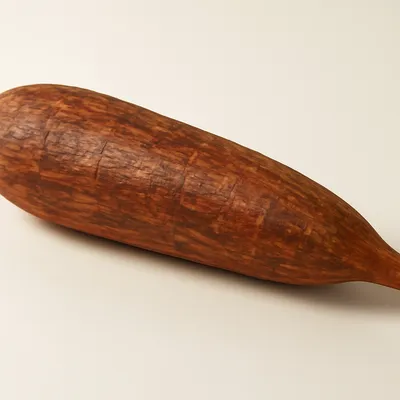


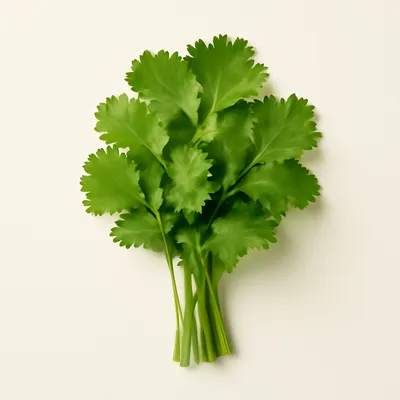
Tapao (literally 'covered' in Spanish — from the wrapping/closing technique) is the most-rural and ancestral of Pacific Colombia's fish preparations. Fresh fish, root vegetables, plantain, and rooftop-grown herbs (chillangua) are layered in a pot over a sofrito base, moistened with coconut milk and water, then capped with banana or bijao leaves so the trapped steam braises everything. The herbs were cultivated on household rooftop gardens (azoteas) because spices were scarce. The result is intensely concentrated — the fish absorbs the herb-and-vegetable juices, the yuca catches the fish fat, the plantain caramelizes against the pot bottom. Found in every Chocó village kitchen and at the most-traditional Pacific-Colombian restaurants.
Unwrap a hot tapao bundle: the banana leaf releases a green-grassy steam; the fish chunk sits on top of caramelized plantain-and-yuca that have absorbed the fish juices and the herb scent. Bite the fish — it tastes intensely of the dish itself, having concentrated the flavors rather than diluted them. The plantain bottom layer is sticky-caramelized where it touched the hot pot. Eat with rice; the leaves are the plate.
Wrapping in banana leaves creates a sealed steam-cook environment without any added water — every drop of moisture comes from the ingredients themselves. The leaves also impart a grassy-tea aroma to the fish via terpenoid compounds released by heating. The minimal water in the pot bottom (150ml) creates exterior steam that prevents the banana leaves from burning, while the bottom layer of plantain-yuca actually contacts the hot metal and Maillard-browns — the dish's hidden bonus.
Variations
Traditional Chocó village version uses fresh bocachico and chillangua (cilantro cimarrón / Eryngium foetidum); Tumaco-coast version uses red snapper and adds shrimp inside the bundle; modern Bogotá restaurant versions serve a deconstructed tapao on a plate with the leaf as a wrapper, not a sealed bundle.
On the Palate
Where Tapao Chocoano sits in the Colombian flavor cloud
This is a dry steam-braise inside leaf bundles: keep the added water low (150ml) at the pot bottom, seal the leaves tight, and let the ingredients' own juices cook the fish while the bottom layer caramelizes against the hot metal.
Ingredients
Serves 4



How it's made
5 steps · 25 min active + 35 min waiting
- 117 min
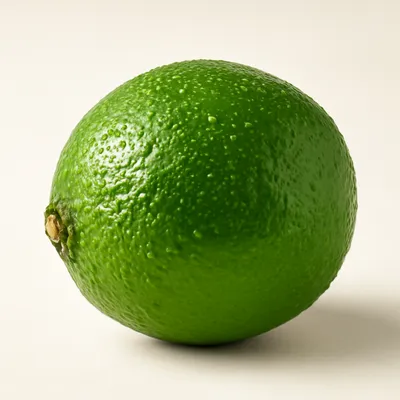
Clean 1kg whole bocachico or red snapper; cut crosswise into 4 thick chunks. Season with 1 tsp salt, 1 tsp pepper, juice of 1 lime, 4 minced garlic cloves; rest 15 min.
- 24 min
Prepare wrapping: pass 4 large banana-leaf squares (about 30×30cm) over a gas flame for 3 sec per side until shiny and pliable.
Watch outThe leaf is ready when it turns from matte to glossy and bends without cracking.
- 310 min
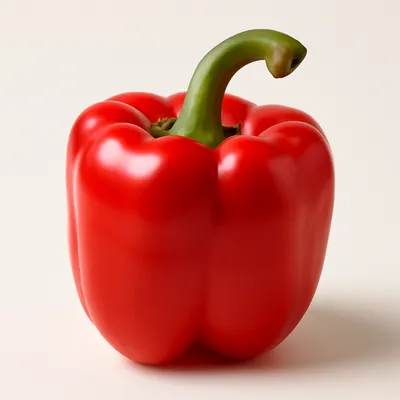
Cut 2 green plantains lengthwise into thick strips. Cut 400g yuca (peeled) into 5cm chunks. Slice 1 onion thinly. Chop 1 bell pepper, 1 tomato, 2 ají dulce peppers.
- 412 min
Lay each banana leaf flat; place a layer of plantain + yuca + onion-pepper-tomato mix at the bottom, top with a fish chunk, sprinkle with 1 tbsp chopped chillangua (or cilantro), drizzle 1 tsp coconut milk. Fold the leaf into a sealed bundle; tie with kitchen twine if needed.
Watch outBuild each parcel with the plantain and yuca on the bottom so they catch the pot's heat.
- 533 min
Place bundles in a heavy pot, packed snugly. Add 150ml water + 100ml coconut milk to the pot bottom (do not pour onto bundles). Cover tightly. Cook on medium-low heat 30-35 min — the steam cooks the fish, while the bottom layer of the wrapping starts to caramelize against the hot pot. Open one bundle to check: fish should flake, yuca should be tender. Serve hot in the unwrapped leaves, with white rice on the side.
Watch outOpen one bundle to check: the fish should flake and the yuca should give easily.
Archive tool suggestions — not reviewed
These legacy suggestions have not been evidence-reviewed and are not presented as required tools.


