
Cartagena's signature side rice — coconut milk reduced to caramelized titoté flakes that gild the long-grain rice with sweet-savory mahogany, served alongside fried fish and patacones.



Arroz con coco is the universal rice of Colombia's Caribbean coast — every coastal restaurant and every household serves it alongside seafood plates. The technique is the dish's signature: the thick first-pressing of coconut milk is reduced in a heavy pan until the coconut solids brown into 'titoté' (caramelized coconut flakes); panela (or brown sugar) and a thinner second-pressing of coconut milk are then added to cook the rice, creating the dish's amber color and its distinctive flecks of dark brown. The dish was brought to Cartagena by enslaved Africans whose West African coconut-cooking traditions met Spanish-Catholic rice cookery on the Caribbean coast.
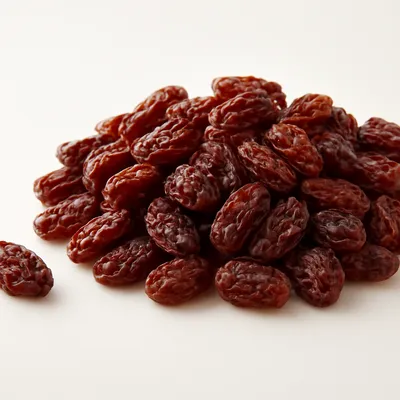
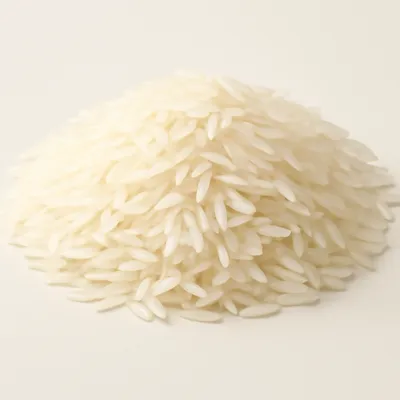
Spoon the arroz con coco onto the plate: each grain is glossy white with mahogany flecks of titoté — the caramelized coconut adds toasted-sweet notes that hit before the rice's body. Raisins jewel the dish. Eaten alongside fried fish, the rice's sweetness balances the fish's salt; it's the Caribbean coast's reverse of Asia's plain steamed rice + savory side.
Titoté formation is precise: coconut cream's water must evaporate before the coconut solids can brown (Maillard reaction). If liquid is added too early, the dish becomes coconut rice without titoté flavor — pleasant but unremarkable. The titoté oil that lines the pan after caramelization is what fries-and-coats the rice grains, locking the toasted flavor into each grain before water is added.
Variations
Cartagena classic uses raisins; Barranquilla version omits them; San Andrés island version (Caribbean off the Colombian coast) uses fresh coconut chunks instead of grated; modern restaurant versions add a touch of butter at the end for sheen.
On the Palate
Where Arroz con Coco sits in the Colombian flavor cloud
Everything rides on making titoté: reduce the thick coconut cream until its water fully evaporates and the solids brown to mahogany, because that toasted-coconut oil is what fries and flavors every grain.
Ingredients
Serves 6How it's made
5 steps · 25 min active + 35 min waiting
- 110 min
Open 1 fresh coconut (or use 800ml first-press coconut milk + 200g grated coconut). Grate the coconut flesh; squeeze to extract 'first milk' — about 250ml of thick coconut cream.
- 214 min
In a heavy pot, simmer the first milk (cream) over medium heat 12 min, stirring constantly, until water evaporates and the coconut solids brown into golden-mahogany titoté flakes. The titoté should sit in a thin layer of coconut oil.
Watch outThe cream first bubbles, then the sound changes as water leaves and it starts to sputter in oil; that's when the flakes brown fast, so watch closely.
- 33 min
Add 2 tbsp brown sugar (or 1 tbsp panela) and 1 tsp salt; stir 2 min to caramelize.
- 46 min
Add 500g long-grain rice (rinsed well, drained); stir 3 min to coat every grain with titoté and toast lightly. Add 750ml hot water + 50g raisins (optional, traditional).
Watch outCoat every grain in the oil until it looks glossy and smells toasty before the water goes in.
- 527 min
Bring to a rolling boil; reduce to lowest heat and cover. Cook 18 min undisturbed. Rest 8 min covered. Fluff with a fork — should show mahogany-flecked grains with raisins distributed. Serve alongside mojarra frita or shrimp.
Watch outAfter resting, fluffed grains should show mahogany flecks throughout; if it looks pale, the titoté was underdone.
Archive tool suggestions — not reviewed
These legacy suggestions have not been evidence-reviewed and are not presented as required tools.


