
Cartagena's signature beef braise — a whole cut of beef round (typically rump tip / punta de anca) braised for hours in caramelized panela, cola, and burnt sugar with onion, tomato, garlic and Worcestershire until it falls apart in a glossy mahogany sauce.






Posta negra (literally 'black post' — referring to the dark sauce that coats the meat) is the Cartagena-Caribbean coast's most-cited beef preparation. The dish reflects African, Indigenous and Spanish colonial cuisines merging on the coast: Spanish brought the slow-braise technique, enslaved Africans contributed the molasses/panela sweetening that defines the sauce. The signature 'black' color comes from burnt sugar (caramelo de azúcar) cooked nearly to charcoal before adding meat, which creates both the color and a subtle smokiness. Served at every Cartagena restaurant alongside arroz con coco and patacones.
Cut into the posta negra: the meat is mahogany-glossy outside, deep ruby inside, falling into thick fibers with the back of the spoon. The sauce coats each slice with sweet-savory caramel; the dark beer and Worcestershire add umami depth. Bite the meat with a forkful of arroz con coco — the rice's toasted-coconut sweetness echoes the burnt sugar in the meat. Coastal Caribbean Colombia at its most.
Burnt sugar (caramelized to near-smoking) develops 200+ Maillard-and-caramelization compounds that give the dish its unmistakable smoky-sweet base — not achievable by adding molasses alone. The long 2.5-3 hour braise converts beef's collagen to gelatin (>140°F sustained for hours), creating the dish's signature fork-tender pull. Panela (unrefined cane sugar) adds molasses notes that integrate with the burnt sugar; refined white sugar would taste flat.
Variations
Cartagena restaurant version uses dark Colombian beer (Costeñita); home version uses regular beer or even cola; Bocachica seafood-region version sometimes replaces beer with coconut milk for a sweeter, milkier sauce.
On the Palate
Where Posta Negra Cartagenera sits in the Colombian flavor cloud
Take the sugar to a near-burnt mahogany just before it smokes — that scorched caramel is the whole flavor and color of posta negra, and molasses alone can't fake it.
Ingredients
Serves 6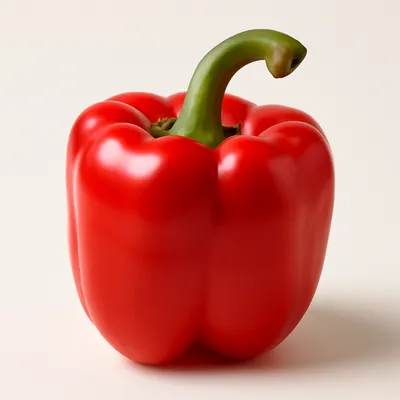





How it's made
5 steps · 35 min active + 3 hours 25 min waiting
- 1245 min
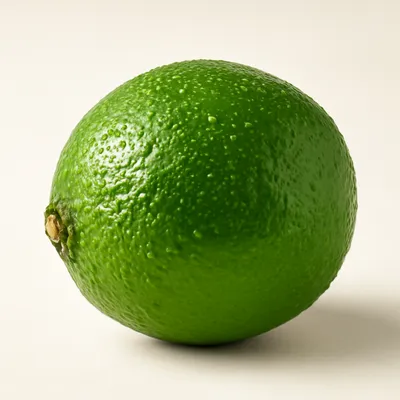
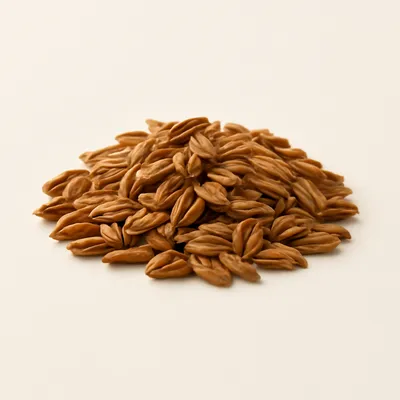
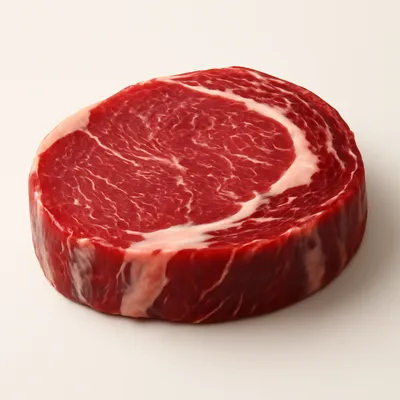
Marinate 1.2kg beef flank or eye-of-round in 250ml red wine, 4 cloves crushed garlic, 1 tbsp salt, 1 tbsp pepper, juice of 1 lime, 1 tsp ground cumin overnight (or at least 4 hours).
- 25 min
Make burnt-sugar caramel: in a heavy pot, melt 4 tbsp brown sugar over medium-high heat. Continue cooking, swirling occasionally, 4-5 min until the sugar darkens to a near-burnt mahogany color (just before smoking).
Watch outSugar darkens to near-burnt mahogany with the first wisp of smoke — go one shade darker than looks comfortable.
- 39 min
Carefully add 3 tbsp oil + the drained beef (reserve marinade); the sugar will harden then re-melt. Sear meat on all sides 8 min until well-browned.
Watch outMeat well-browned on every face before the vegetables go in.
- 48 min
Add 1 chopped onion, 4 minced garlic cloves, 1 chopped bell pepper, 2 chopped tomatoes; sauté 6 min. Add the marinade + 250ml dark beer (or beef stock) + 2 tbsp Worcestershire + 80g panela (or molasses) + 2 bay leaves.
- 5170 min
Cover and braise on low 2.5-3 hours until meat is fork-tender. The sauce should reduce to a glossy dark mahogany glaze. Slice meat across the grain, spoon sauce over. Serve with arroz con coco and patacones.
Watch outSauce reduced to a glossy dark glaze that coats the back of a spoon; meat pulls apart at a fork.
Archive tool suggestions — not reviewed
These legacy suggestions have not been evidence-reviewed and are not presented as required tools.


