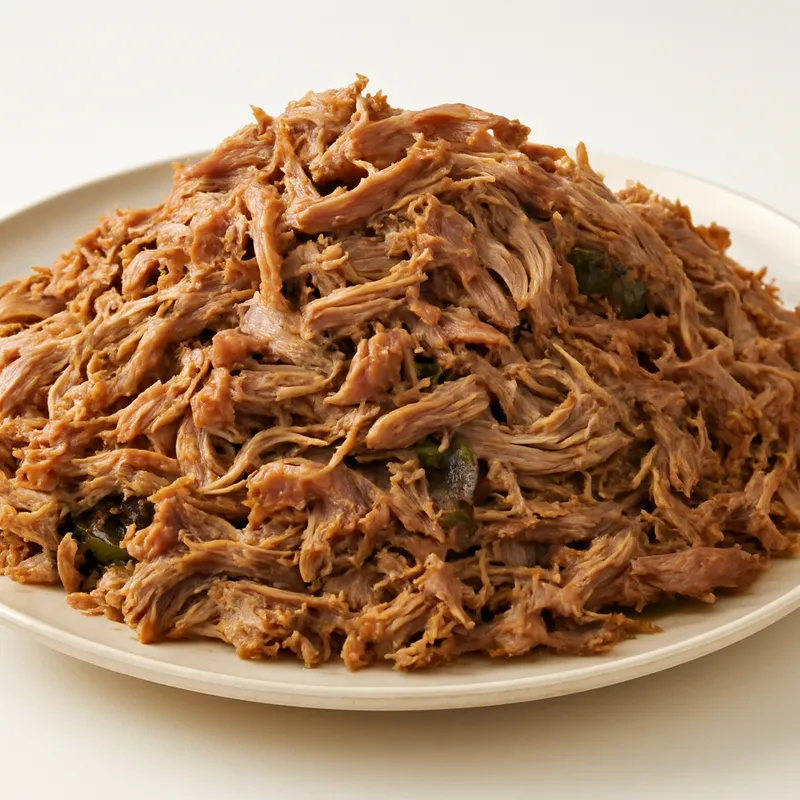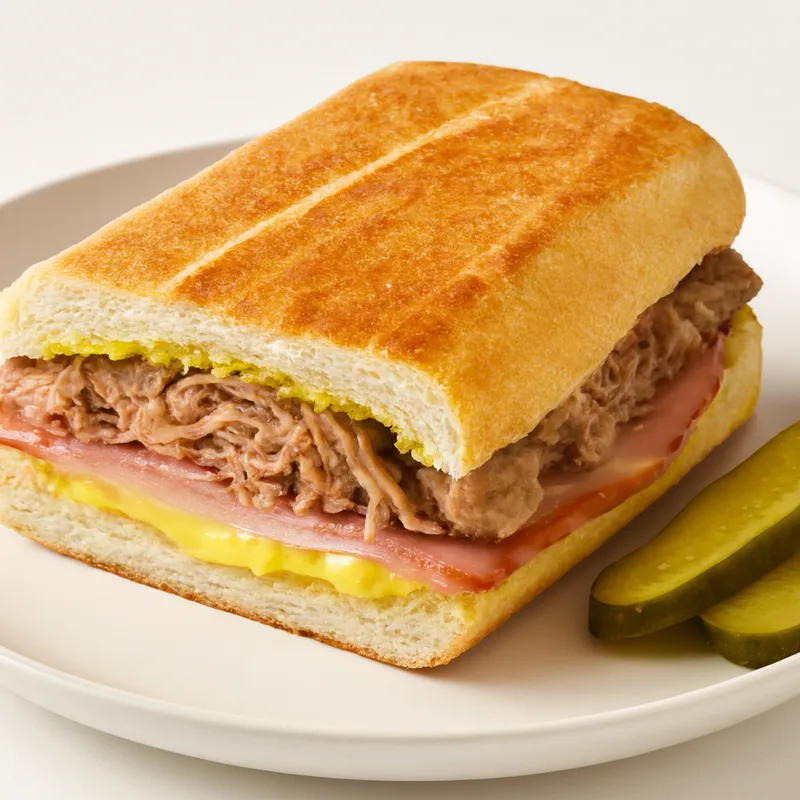
A pressed sandwich with roast pork, ham, Swiss cheese, pickles, and mustard.
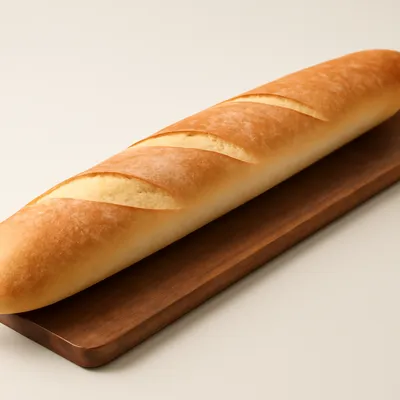



A 19th-century cigar-worker's lunch that took its definitive form in the immigrant cafés and factory canteens of Tampa's Ybor City and Key West, Florida, where Cuban exiles concentrated after Cuba's independence wars (1868–1898). It descends from the Cuban 'mixto' but crystallized in the US-Cuban diaspora — Tampa's worker cafés around 1900 carry the first records of a distinct 'Cuban' sandwich, and the city's Columbia Restaurant (founded 1905) is closely tied to its history. The Tampa version adds Genoa salami, brought by the Italian immigrants who rolled cigars alongside Cubans and Spaniards in Ybor City; Miami purists omit it and consider salami a disqualifier.
Tampa-Key West cigar-worker lunch, late 1800s — not an island dish. Columbia Restaurant (Tampa, 1905) and Key West canteens both claim it. Tampa adds Genoa salami; Miami omits it. The plancha press is non-negotiable: melts the Swiss into the pork, drives mustard into the crumb, shatters the lard-bread crust.
Cuban bread (lard-enriched, thin-crusted) flattened in a plancha press until the outside is crackling and the inside has melted into one stratum: roast pork, sweet ham, Swiss, dill pickle, yellow mustard. No lettuce, no tomato, no mayo. The press is non-negotiable — the sandwich is defined by being thin and shattering, not tall and stacked.
The plancha press serves three functions at once: it melts the Swiss into the meat layer (one phase, not stacked), it drives the mustard and pickle juice into the bread crumb, and it shatters the thin crust. Cuban bread's lard content is critical — butter or oil bread won't crackle the same way. Pressing time matters too: under-pressed is greasy, over-pressed loses the bread.
Variations
Tampa version (with Genoa salami) is the historical original; Miami version drops the salami; medianoche uses sweet egg-bread instead of Cuban bread and runs softer; pan con lechón skips the ham, mustard, and pickle for just pork on bread.
On the Palate
Where Cuban Sandwich sits in the Cuban flavor cloud
The press is the dish: keep meat and cheese in one layer so the Swiss melts into the pork, and press the lard-rich Cuban bread until the crust shatters — steady firm pressure, not a fried sandwich, is what welds it together.
Ingredients



How it's made
3 steps · 13 min
- 13 min
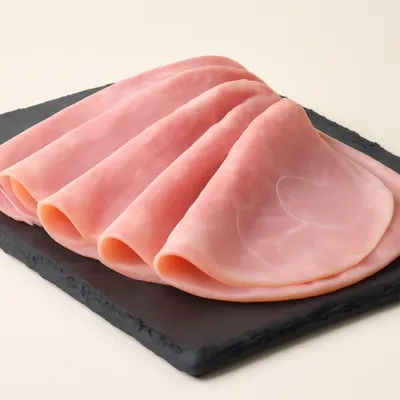
Slice Cuban bread lengthwise and spread a thin layer of mustard on one side. Layer slices of roast pork, ham, and Swiss cheese evenly over the mustard.
Watch outSpread the mustard thin and even to the edges — it's the moisture that presses into the crumb, so a stripe down the middle leaves dry corners.
- 22 min
Add dill pickles on top of the cheese, ensuring even distribution. Close the sandwich with the top half of the bread.
- 38 min
Preheat a sandwich press or a heavy skillet over medium heat. Place the sandwich in the press or skillet, applying gentle pressure until the bread is golden and the cheese has melted, about 4 minutes per side.
Watch outListen and look: the bread should hiss and flatten, the crust go deep gold and crisp, and cheese just start weeping from the sides — that's when it's welded.
Archive tool suggestions — not reviewed
These legacy suggestions have not been evidence-reviewed and are not presented as required tools.
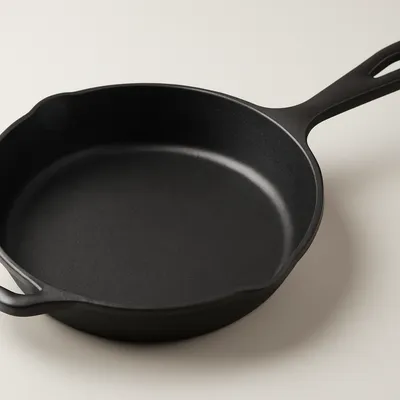
A heavy, single-piece cast iron pan, 25-30 cm across, weighing 1.5-2.5 kg. Once preheated, the thick mass holds 230°C+ even when a cold steak hits the surface — that's the secret to a deep crust. A well-seasoned skillet (multiple thin layers of polymerized oil baked into the iron) is essentially nonstick, gets better with use, and lasts a century. Lodge skillets from Tennessee have been in continuous production since 1896.

A heavy flat griddle, often 40-60 cm across, made from cast iron or chrome-plated steel, used in Spanish (and southern French) cooking for fast searing of seafood, meats, and vegetables. The dense metal holds 250-280°C steady; food is laid directly on the surface (no oil) and gets a deep crust without overcooking. Restaurant planchas are gas-or-electric flat-tops; the home version sits across two stovetop burners.