Descends from Valencian paella — the Spanish rice dish dating to the 15th century, with Moorish roots in its handling of rice — and, being plain and seafood-free, long nicknamed 'poor man's paella.' Spanish colonization from the 16th century carried rice and this one-pot method into the Americas, where Indigenous and African cooks folded in local ingredients to make it a pan-Latin American home dish: from Puerto Rico and the Dominican Republic to Peru and Colombia, it varies by country, town and family, and is not the property of any one nation (Cuban or otherwise). Cuba's version settled into form through the 1800s — Caribbean long-grain rice (not Spanish bomba), cumin, oregano and sofrito, beer in place of wine in working-class kitchens — and by the 1900s was the Sunday family dish of Cuban households. The versions share an origin but diverge widely, and the old argument over whether it is 'truly' Spanish or belongs to some Latin American country remains unsettled.
Valencian paella's Caribbean child — long-grain rice, cumin-oregano sofrito, sometimes beer instead of wine. Pegao is the technical mark: the bottom crust forms only if you cook covered low for 18–20 minutes, then uncover on slightly higher heat for the last 3–4. Lift the lid early and it steams out.
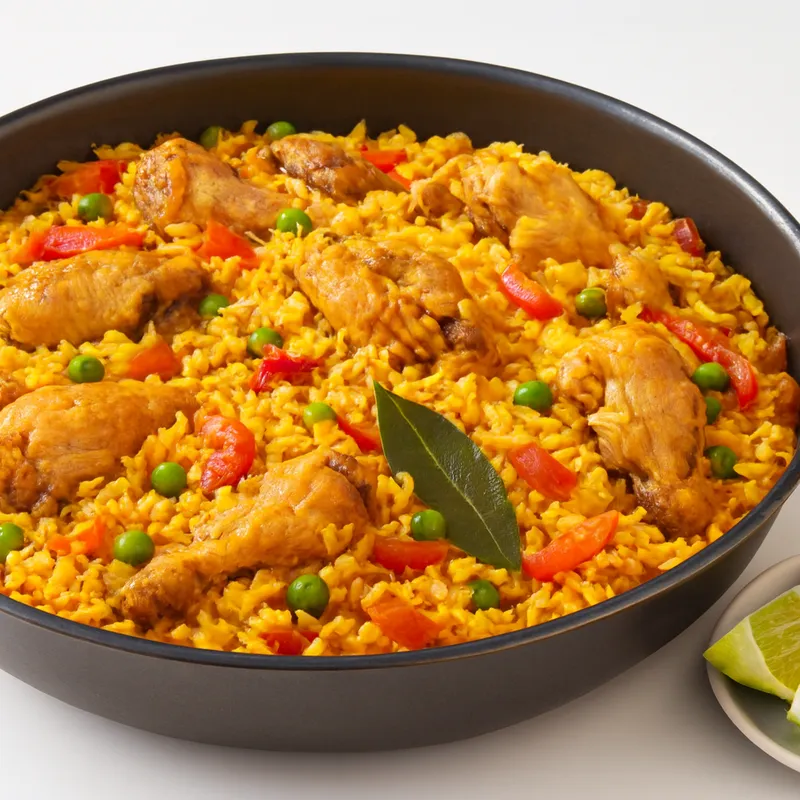
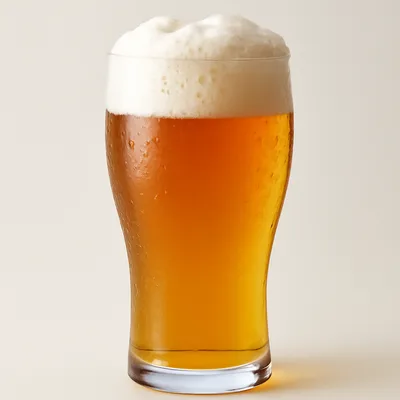
Yellow-orange rice — in Cuban kitchens usually colored with annatto or Bijol, with costly saffron reserved for fancier or better-off cooks — cooked with bone-in chicken pieces in a single pot until the rice on the bottom forms a light crust (the pegao). Peas, roasted red pepper strips, sometimes beer or dry wine in the broth. Served with the chicken on top, a wedge of lime, and a cold beer. The pegao, which concentrates the deepest flavor, is fought over.
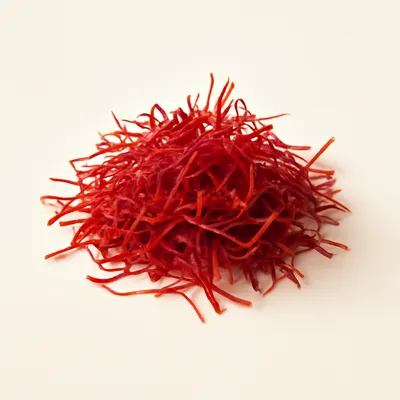
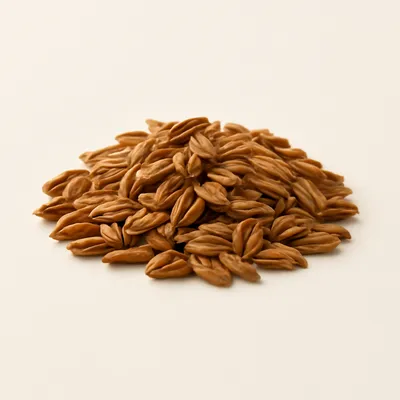
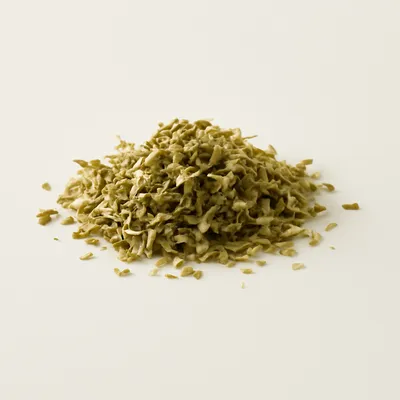
The dish turns on three things: the sofrito base, the coloring, and the crust. It starts with sofrito — onion, pepper, garlic and tomato slowly fried in oil — which is the source of its savory depth. Color is where regions diverge: saffron is costly and floral, lending an indescribable aroma along with the gold; Cuban kitchens more often reach for annatto or Bijol — similar color, far cheaper, much less aromatic — Bijol being a corn-flour, annatto and cumin blend made expressly to spare saffron. The pegao (the rice crust at the bottom, called socarrat in Spanish paella) is the technical mark of a good cook — too high heat burns it black and bitter, too low produces no crust at all, just soggy rice. The fix is heat-down-then-leave-alone: rice cooks covered on low for 18–20 minutes, then last 3–4 minutes uncovered on slightly higher heat to set the crust. Lifting the lid early steams it out.
Variations
Sharing one origin, each region has its own face. The Cuban version uses Bijol or annatto over long-grain rice seasoned with cumin and oregano; Puerto Rican arroz con pollo builds its own sofrito, adds the herb recao, and often insists on beer and annatto rather than saffron; Peruvian arroz con pollo is dyed bright green with a cilantro purée; the Dominican locrio de pollo is the same idea cooked drier, grain by grain. From one humble notion — a pot of rice with a chicken — Latin America has grown a whole table of variations.
On the Palate
Where Arroz con Pollo sits in the Cuban flavor cloud
Ingredients

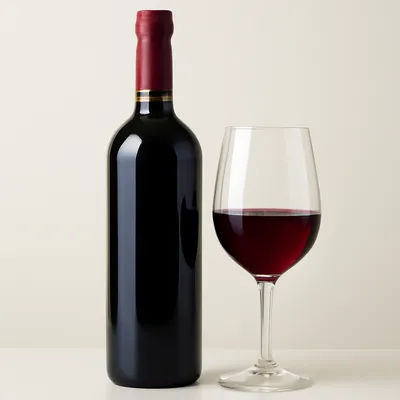
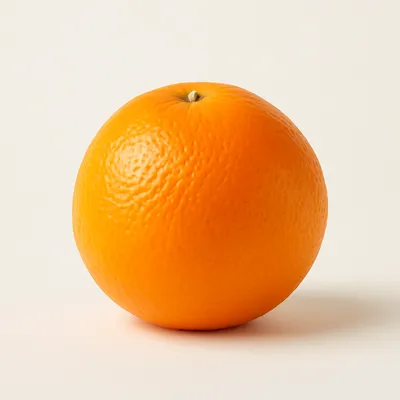


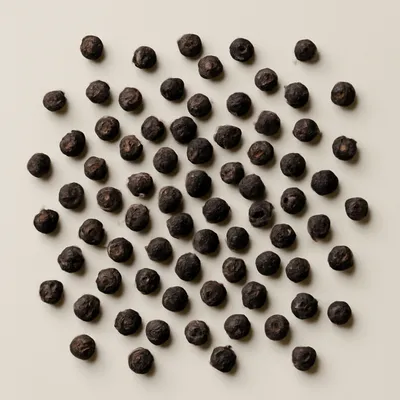
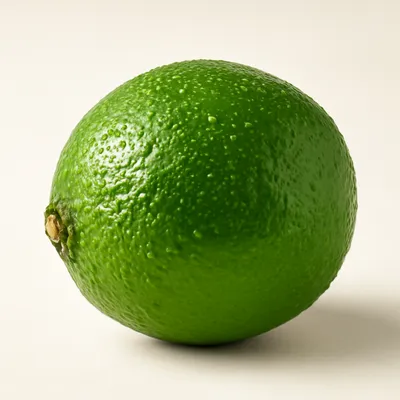




How it's made
4 steps · 36 min
- 18 min
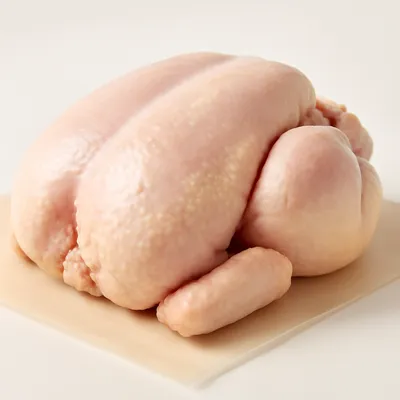
Season chicken pieces with salt and pepper. Heat oil in a large pot over medium-high heat and sear the chicken until golden brown on all sides, about 8 minutes.
Watch outEnsure the chicken skin is crisp and golden before removing from the pot.
- 25 min
Remove the chicken and add chopped onions, capsicum, and tomatoes to the pot. Sauté until the onions are translucent and the tomatoes have broken down, about 5 minutes.
Watch outLet the onion go translucent and the tomato fully break down into a soft jam before the rice goes in — this is the flavor base setting.
- 33 min
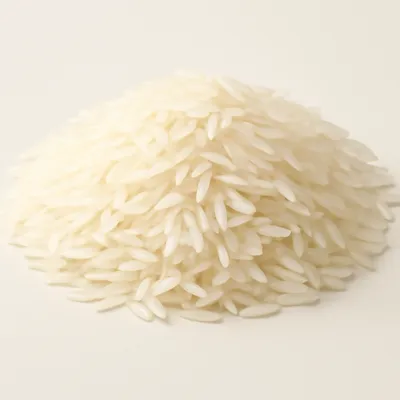
Stir in the rice, letting it toast slightly while absorbing the flavors of the vegetables, about 3 minutes.
Watch outToast the raw rice in the sofrito oil until the grains turn glossy and smell nutty — that seals them for a firmer, separate bite.
- 420 min
Add saffron, return the chicken to the pot, and add water or broth to cover. Simmer gently until the chicken is cooked through and the rice is tender, about 20 minutes.
Watch outHold a low covered simmer; when the liquid's nearly gone, uncover and raise the heat briefly to crisp the pegao at the bottom.
Archive tool suggestions — not reviewed
These legacy suggestions have not been evidence-reviewed and are not presented as required tools.