
A farmhouse roast of the Marche and Umbria in which a whole rabbit, often boned, is stuffed with the seasoning of porchetta — wild fennel, garlic and herbs — together with the rabbit's own liver and innards and usually some pancetta or lardo. The meat is rolled and tied, or opened and sewn, then roasted in a moderate oven and served sliced. The phrase "in porchetta" names the method, not the meat: it is the fennel-and-garlic manner of the boned roast pig, applied here to lean rabbit. It is a defining roast of the central-Italian countryside.
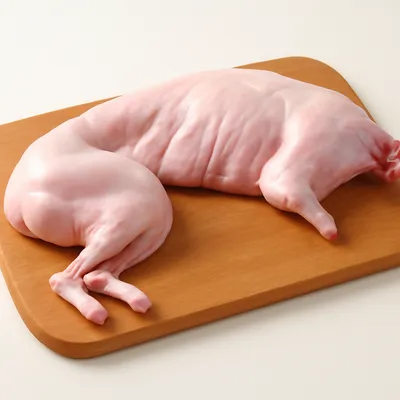
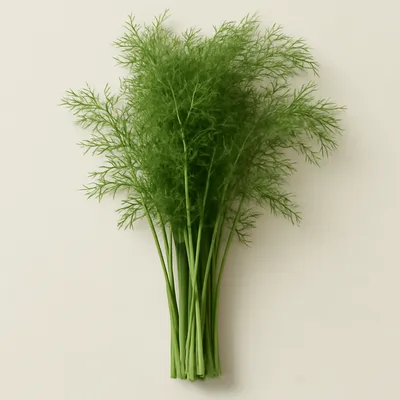




"In porchetta" is a cooking method rather than an ingredient — the wild-fennel-and-garlic seasoning of porchetta, the boned and herb-stuffed roast pig of central Italy, applied to other meats and even fish, as in pollo in porchetta and carp in porchetta. Wild fennel is the signature aromatic of the central-Italian porchetta tradition. The rabbit version is a traditional farmhouse adaptation of the Marche, Umbria and Tuscany, said to have arisen where the roast pig was the landowner's dish and cooks turned the same method to cheaper rabbit; its own origin is unrecorded and carries no documented date. Porchetta itself is multi-regional, its best-known protected form the Porchetta di Ariccia in Lazio, granted IGP status in 2011.
Cut into slices, the lean rabbit stays moist where the pancetta and stuffing have basted it, and is laced through with the warm, anise-sweet aroma of wild fennel that has perfumed the meat from inside. The skin browns and crisps; the liver in the stuffing turns soft and savoury. Eaten hot or cool, it is clean and herbal rather than heavy. Roasted carelessly, lean rabbit dries out fast and turns stringy — the fat layer and the gentle, basted roast are what keep it tender.
Rabbit is very lean and dries easily under roasting, so the dish relies on added fat. A layer of pancetta or lardo barding the meat, plus the internal fat of the stuffing, melts and bastes the lean flesh from outside and within, keeping it tender as the muscle sets. Wild fennel carries trans-anethole, the same anise compound that defines fennel and anise, which volatilises in the oven and permeates the meat. Tying gives an even shape that roasts uniformly and holds the stuffing; the skin browns by Maillard reaction. A moderate oven, around 180 to 200°C with frequent basting, and a rest before slicing, hold in the juices that a hard, dry roast would lose.
Variations
The same "in porchetta" method extends to other meats — pollo in porchetta with chicken, faraona with guinea fowl, agnello with lamb — and to the freshwater fish of Lake Trasimeno, the carp cooked regina in porchetta. It should not be confused with coniglio in potacchio, a different Marche rabbit dish that is braised, not roasted, with garlic, rosemary, white wine and tomato; plain coniglio arrosto is the simpler roasted cousin without the fennel stuffing. Many cooks add a splash of white wine, and wild fennel, more aromatic than the cultivated bulb, is preferred where it can be foraged.
On the Palate
Where Coniglio in Porchetta sits in the Italian flavor cloud
Ingredients
Serves 6

How it's made
8 steps · 45 min active + 1 hour 15 min waiting
- 115 min
Bone the rabbit, or have the butcher do it, keeping the liver, heart and kidneys.
- 212 min
Chop a stuffing of wild fennel, garlic, the rabbit's innards, salt and pepper, with a little pancetta.
- 310 min
Open the rabbit flat, season inside, spread the stuffing along it and lay strips of pancetta or lardo over the lean meat.
- 48 min
Roll the rabbit up around the filling and tie it firmly with kitchen twine.
Watch outTie the roll firmly with twine so it holds a compact, even shape — a loose roll splays open and roasts unevenly, leaking the stuffing.
- 56 min
Brown it lightly, season the outside, and add a splash of white wine.
- 660 min
Roast in a moderate oven, about 180 to 200°C, basting frequently, until cooked through and the skin is golden.
Watch outBaste frequently as it roasts — rabbit is very lean and dries fast; the melting barding fat and regular basting are what keep it tender.
- 712 min
Rest the roll for ten to fifteen minutes off the heat.
Watch outRest the roll ten to fifteen minutes before slicing — cut it straight from the oven and the juices run out and the meat tightens.
- 83 min
Snip off the twine and serve sliced, hot or cool.
Archive tool suggestions — not reviewed
These legacy suggestions have not been evidence-reviewed and are not presented as required tools.


