The Marche's festive roast goose, seasoned porchetta-style: the bird is gutted, its cavity slashed and packed with abundant wild fennel, whole garlic cloves, salt, pepper and ground pork lard, then sewn shut, tied and slow-roasted until the skin crackles. A pan of water set alongside in the oven keeps the flesh moist. It was the bird of the threshing and grape-harvest season across the Marche and Umbrian hills, its rendered fat saved to roast potatoes.

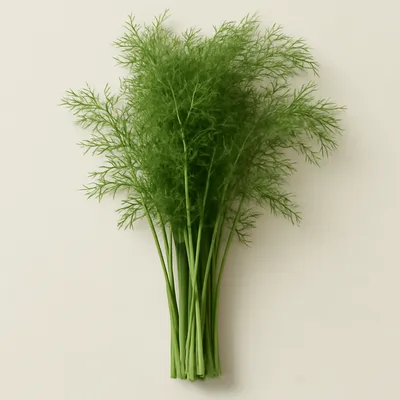

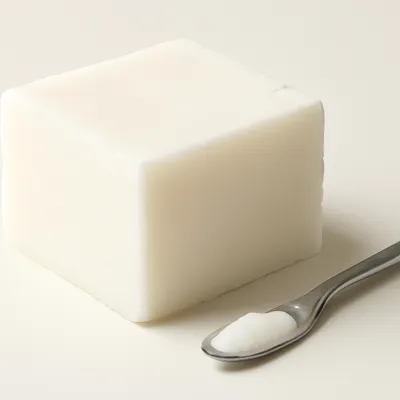

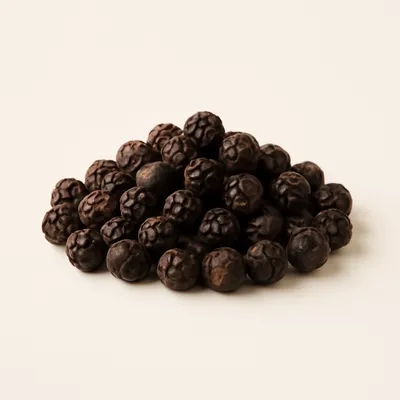
"In porchetta" names the classic central-Italian way of seasoning suckling pig, heavy with wild fennel, garlic and pepper, carried over here to a goose, just as the Marche also cooks rabbit and even broad beans in porchetta. The goose was a farmyard bird fattened through the year and killed for the big communal meals of the trebbiatura, the wheat threshing, and the vendemmia, the grape harvest, when neighbours gathered to work and eat. Centred on the provinces of Macerata and Ancona, the dish belongs to the Marche-Umbria borderland; its generous rendered fat, once a prized cooking medium, was kept back to roast potatoes and dress vegetables.
The skin is thin, deep-amber and crackling; underneath, the dark goose meat is rich and juicy, threaded through with the sweet-anise scent of wild fennel and the mellow sweetness of long-roasted garlic. The rendered fat carries it all, savoury and faintly resinous from the fennel seed and stalk.
A goose carries a thick layer of subcutaneous fat; roasting long and steady renders it slowly so it bastes the meat from within and crisps the skin from without. Wild fennel's aroma is largely anethole and garlic's is sulphur compounds, both fat-soluble, so they dissolve into the melting lard and drive flavour deep into the flesh. The pan of water raises humidity early in the roast, slowing moisture loss from the breast while the skin dries and browns through Maillard reactions. Once the water is gone, dry heat finishes the skin into brittle crackling.
Variations
Beyond goose, the Marche roasts rabbit in porchetta (coniglio in porchetta) and even stews fresh broad beans with wild fennel and pancetta as fave in porchetta. Cooks vary the fat, using pork lard, pancetta or the goose's own fat, and some add fennel seed or a splash of white wine to the cavity. Where wild fennel is scarce, cultivated fennel fronds and seed stand in.
On the Palate
Where Oca in Porchetta sits in the Italian flavor cloud
Ingredients
Serves 8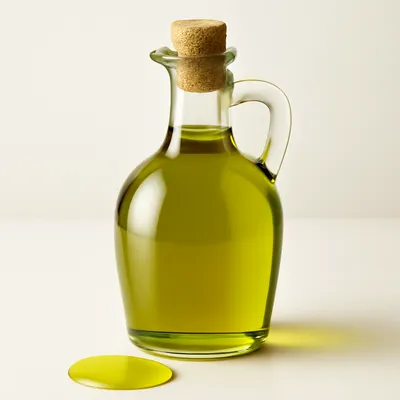
How it's made
7 steps · 40 min
- 115 min
Clean and gut the goose, cutting along the belly; remove the organs, then rinse and pat thoroughly dry.
- 210 min
Carefully break the internal bones and cut deep slashes into the thick flesh so the seasoning can reach it.
Watch outCut deep slashes into the thick flesh — that's how the fennel and lard reach the inside; skip it and only the surface gets seasoned.
- 35 min
Rub the goose inside and out with plenty of salt and pepper.
- 415 min
Pack the cavity with abundant wild fennel and whole garlic cloves, then spread ground pork lard generously over the interior.
- 510 min
Sew or skewer the belly shut and tie the goose with twine into a compact shape; set it on a rack in a roasting pan.
- 6150 min
Place a pan of water alongside in the oven; roast at 220C for 15 minutes, then lower to 200C and roast about 2 hours, basting with the rendered fat and sprinkling on a little salt.
Watch outBaste with the rendered fat and hold the roast until the skin turns brittle and crackling — that crisp shell is the whole point of roasting a fatty goose.
- 715 min
When the water has evaporated and the skin is crisp, rest 15 minutes, then carve and serve hot; keep the rendered fat to roast potatoes.
Archive tool suggestions — not reviewed
These legacy suggestions have not been evidence-reviewed and are not presented as required tools.