
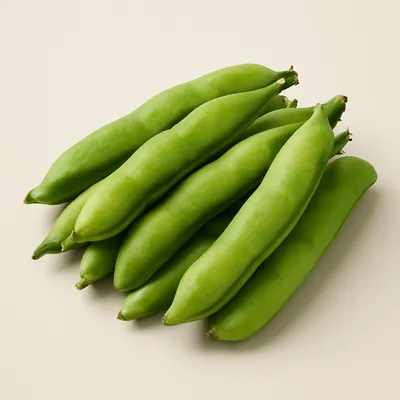
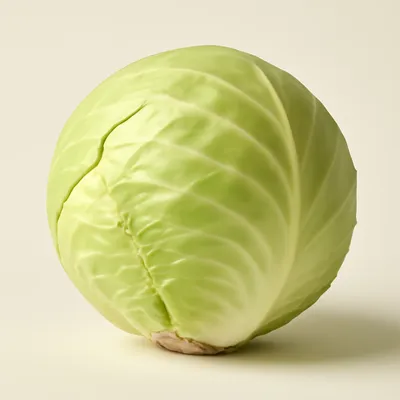
A hearty winter stew of northern Sardinia, especially the city of Sassari and the surrounding Logudoro, built on dried fava beans (fave secche) slow-simmered with a generous mix of pork. The pot draws on the preserved cuts of the household pig — fresh and dried sausage (salsiccia), pancetta or lardo, pork rind (cotenne), and trotters, ribs or jowl — together with savoy cabbage, onion and garlic, and the island's signature wild fennel (finocchietto selvatico); some kitchens add cardoon. Everything cooks low and slow for 3 to 4 hours, until the favas turn creamy, the rind and trotters dissolve into a sticky, gelatinous broth, and the whole pot tastes of smoke, anise and long-cooked pork. It is the dish of Carnival (Carnevale) in northern Sardinia, eaten in the last days before Lent and above all on Giovedì Grasso (Fat Thursday), and is traditionally ladled over slices of crisp pane carasau, the Sardinian flatbread, which soaks up the broth. Rich, savoury and deeply warming, it is poor-kitchen cooking turned into a feast.


Favata is the emblematic Carnival dish of Sassari and northern Sardinia, where it is also known in the local tongue as 'fabadda'. Its rhythm is set by the agricultural and religious calendar: it belongs to late winter, when the year's dried fava beans are still in the storeroom and the household pig, slaughtered in the cold months, has yielded sausages, lard, rind and salted cuts that a single pot can use up at once. Carnival was the moment to eat richly before the meatless fast of Lent, and favata — heavy with pork and beans — became the food of those last days, prepared throughout the island but identified above all with the Sassarese and the Logudoro, and eaten in particular on Giovedì Grasso, the Thursday before Ash Wednesday. The dish grew out of cucina povera, where humble dried legumes and preserved scraps of the pig fed a family cheaply through winter; nothing was wasted, and even the rind and trotters went into the pot for their richness. It is most often served over pane carasau, the thin baked Sardinian flatbread that keeps for months and softens in the hot broth. The name comes simply from 'fava', the bean at its heart.
The first impression is depth: a dark, savoury, faintly smoky pork broth thick enough to coat the spoon. The dried favas have gone soft and creamy, almost melting, while the pork rind and trotter give the liquid a lip-sticking, gelatinous body. Through it runs the clean, sweet, anise lift of wild fennel, cutting the fat, with cabbage adding a mellow sweetness and the sausage a peppery, cured tang. Eaten over pane carasau, the bread turns silky as it drinks up the broth. It is unctuous, warming and frankly heavy — a stew to be eaten slowly on a cold day.
Dried fava beans are the structural heart of the dish. Soaking overnight rehydrates the seed and lets water creep back into its starch granules; then, over hours of gentle simmering, those granules swell and gelatinise while the cell walls soften and the bean's protein sets, so the favas turn from hard pellets to a creamy, partly-collapsing pulp that thickens the broth. The pork rind and trotters supply the other half of the texture: they are dense in collagen, and prolonged moist heat above roughly 70 to 80 °C steadily hydrolyses that collagen into gelatin, which dissolves into the liquid and, even while hot, gives the stew its glossy, lip-coating, slightly sticky body — the same chemistry behind a good stock or aspic. The cured pork — sausage, pancetta, lardo — renders fat and contributes glutamate-rich, salty, smoky savour built up during curing, deepening the broth's umami. The wild fennel works aromatically: its sweet, anise-like scent comes chiefly from anethole, a volatile compound also dominant in anise and star anise, which both perfumes the pot and helps balance the heavy pork fat on the palate. A soffritto of onion and garlic, sweated at the start, lays down a savoury aromatic base, and the long cook lets all these elements — starch, gelatin, fat and aromatics — marry into one thick, integrated pot.
Variations
There is no single fixed recipe — the pork mix shifts with what a household has cured. Sassarese versions lean on local dried sausage and plenty of rind; some cooks add cardoon (cardi) alongside or in place of cabbage, others fold in a little tomato or a fresh chilli for heat. Wild garlic appears in some country recipes beside the wild fennel. The favas may be left whole and brothy or partly mashed for a thicker, more minestrone-like result, and a few versions are bulked further with bread stirred in. Beyond Sassari and the Logudoro it is made across the island into spring, around Cagliari and in Gallura, wherever the bean harvest and Carnival coincide. It is almost always served over or alongside pane carasau, though everyday plates simply use whatever bread is on hand.
On the Palate
Where Favata Sarda sits in the Italian flavor cloud
Ingredients
Serves 6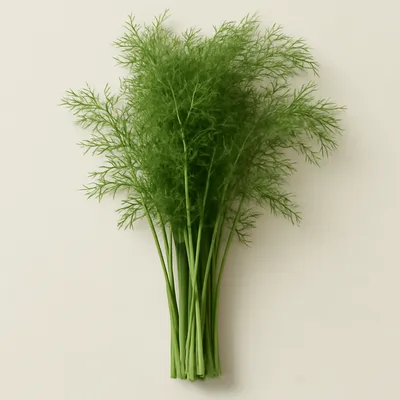



How it's made
8 steps · 40 min
- 110 min
The night before, soak the dried fava beans in plenty of cold water for at least 12 hours, then drain and rinse. If using split-and-skinned favas they need less soaking; whole favas soak longest.
- 220 min
Cut the pork rind, pancetta and ribs (or trotters) into pieces, and slice the sausage into thick rounds. Shred the savoy cabbage and slice the onion; chop the garlic and wild fennel.
- 310 min
In a large heavy pot, sweat the onion and garlic in olive oil over low heat until soft and fragrant, building a gentle soffritto base. Do not let them brown hard.
- 410 min
Add all the pork — rind, pancetta, ribs or trotters, and sausage — and cook a few minutes to render some fat and pick up colour, then pour in enough water to cover well and bring to a bare simmer.
- 560 min
Simmer gently, skimming the surface, for about 1 hour so the meat and rind begin to soften and the broth turns savoury.
Watch outSimmer gently and keep skimming for the first hour — mutton and rind throw a lot of strong fat, and lifting it off is what keeps the broth clean rather than heavy.
- 610 min
Add the drained favas, the shredded cabbage, the wild fennel and a little chilli if you like. Top up with hot water to keep everything submerged, season lightly with salt, and return to a low simmer.
- 7150 min
Cook low and slow for a further 2 to 3 hours, stirring now and then and topping up with water as needed, until the favas are creamy, the rind and trotters are tender and gelatinous, and the broth is thick. Adjust salt and pepper.
Watch outCook low and slow two to three more hours until the favas turn creamy and the rind and trotters go gelatinous — this long gentle heat is what melts the collagen to body the broth.
- 85 min
Line warm bowls with slices of pane carasau (or rustic bread), ladle the hot favata over the bread, and serve at once.
Archive tool suggestions — not reviewed
These legacy suggestions have not been evidence-reviewed and are not presented as required tools.



