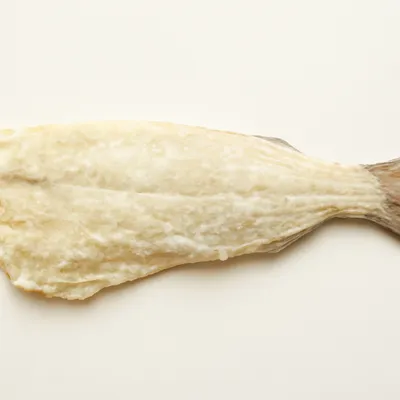
Naples' great street-food fritto, served in a cuoppo — the cone of paper that gives it its name. It comes two ways. The cuoppo di mare is an assortment of fried seafood: floured small fish, anchovies, rings of squid, prawns and cubes of baccalà. The cuoppo di terra, or fritto, gathers the friggitoria's land fry — potato croquettes, panzarotti, little rice balls, frittatine di pasta, scagliuozzi (fried polenta triangles) and zeppoline di mare, fritters flecked with seaweed. Everything is fried to order, drained, salted and tipped hot into the rolled cone to be eaten standing in the street with the fingers. It is fast, greasy, golden and the most Neapolitan way to eat on the move.



The cuoppo is the edible expression of the Neapolitan friggitoria, the fried-food shop, and of the city's old street-food culture, in which cheap, filling fried things were sold from doorways and stalls to be eaten on the move. The word cuoppo is Neapolitan dialect for the rolled paper cone itself, and by extension names the assortment served in it; the form long predates any fixed recipe, since the contents are simply whatever the friggitoria is frying. The repertoire draws on Naples' own fried classics — panzarotti and crocchè of potato, panzerotti, scagliuozzi of polenta, pasta-cresciuta and seaweed zeppoline, frittatine — and, on the coast, the small fish and seafood of cucina povera. It is documented as a living street tradition rather than a single dated dish, and is not the invention of one cook; both the seafood cuoppo and the land cuoppo are recognised Neapolitan forms.
A hot paper cone of golden, crackling fry, eaten with the fingers as the grease soaks faintly through the paper. Bite by bite it shifts: the shattering crust and sweet flesh of a tiny fish, the chew of a squid ring, a potato croquette pulling into a soft stringy-cheese centre, the savoury crunch of a polenta triangle, a seaweed fritter tasting of the sea. Everything is fresh from the oil, crisp on the outside and tender within, lifted only by salt and sometimes a squeeze of lemon. It is unrefined and immediate — the pleasure is heat, crunch and grease in the hand, best the minute it is handed over and fading fast as it cools.
Everything in the cuoppo lives or dies on a clean, hot fry. Dropped into oil at around 170 to 180°C, the wet surface of fish, batter or croquette flash-boils its water off as steam, which keeps the oil from soaking in, while the surface dehydrates and browns by Maillard reaction and, in starchy items, light caramelization to build the crisp golden crust; inside, the food cooks gently in trapped steam and stays tender. Oil too cool and the steam barrier never forms, so the fry drinks fat and turns greasy and limp; too hot and the crust scorches before the centre is done. A light flour or batter coating gives more surface to crisp and seals in moisture. Frying in small batches keeps the oil temperature from crashing when cold food goes in, and salting straight from the oil makes the salt stick to the hot, oil-slicked crust. The cone matters too: paper wicks away surface grease and the open shape lets steam escape so the fry stays crisp instead of going soggy.
Variations
The two main forms are the cuoppo di mare of fried seafood — small fish, anchovies, squid, prawns, baccalà — and the cuoppo di terra or fritto of land items: crocchè and panzarotti of potato, panzerotti, frittatine di pasta, arancini-style rice balls, scagliuozzi of polenta, pastacresciuta and seaweed zeppoline, plus fried vegetables in season. A mixed cone draws from both. The exact contents are never fixed — they are whatever the friggitoria fries that day — so each shop's cuoppo differs, and the assortment shifts with the season and the catch. Lemon to squeeze over is common with the seafood version.
On the Palate
Where Cuoppo Napoletano sits in the Italian flavor cloud
Ingredients
Serves 4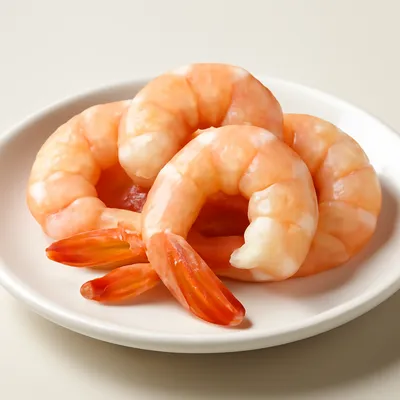
How it's made
7 steps · 30 min
- 115 min
Prepare a mix of items: clean small fish, squid rings, prawns and cubes of baccalà for the sea; ready-made potato croquettes, rice balls and polenta triangles for the land.
- 25 min
Pat everything dry, then dust the seafood lightly in flour or a thin batter.
- 35 min
Heat plenty of oil in a deep pot to around 170 to 180°C.
Watch outHold the oil at a hundred-seventy to a hundred-eighty degrees before anything goes in — too cool and everything drinks fat and turns soggy, too hot and the crust scorches before the center's done.
- 410 min
Fry in small batches, not crowding the pot, turning until each item is golden and crisp.
Watch outFry in small batches so the pot stays hot — crowd it and the temperature crashes and the fry goes limp and greasy.
- 53 min
Lift out with a spider, drain on paper and salt immediately while hot.
- 65 min
Keep batches warm briefly as you fry the rest, frying the most delicate items last.
- 72 min
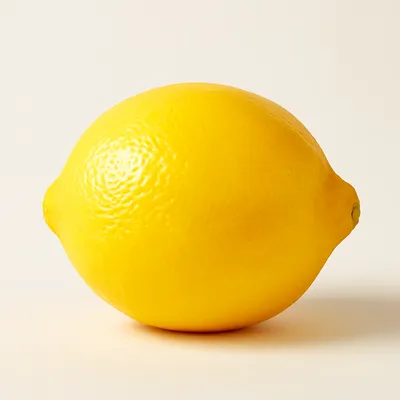
Tip the hot fry into a rolled paper cone and serve at once, with lemon wedges for the seafood.
Archive tool suggestions — not reviewed
These legacy suggestions have not been evidence-reviewed and are not presented as required tools.