
'Mpanata di agnello is the Easter lamb pie of Ragusa and Modica, in the Iblei hills of south-eastern Sicily. A sturdy bread dough, sometimes enriched with lard, is rolled into a deep case and packed with chunks of young lamb, often left on the bone, seasoned with onion, garlic and parsley. A lid is sealed over the top and the whole pie is baked slowly, so the lamb braises in its own juices inside the sealed crust. The most prized part is the bottom of the pastry, which drinks up the meat's fat and herbs. It is the centrepiece of Easter Sunday lunch across the Ragusano, served warm in thick wedges.



The pie belongs to the south-eastern corner of Sicily, the Iblei plateau around Ragusa, Modica and Scicli, and is tied above all to Easter. Its name records a Spanish inheritance: 'mpanata, written impanata in Italian, comes from the Spanish empanada, itself from empanar, 'to coat in bread', and the cooking of meat enclosed in a dough case spread through Sicily during the long centuries of Spanish rule. The Sicilian word is attested in a local lexicon of 1785, and the empanada had already been recorded in Robert de Nola's Catalan cookbook of 1520, which lists such pies among Italian recipes. In its homeland the dish has humble roots, sometimes made with cheaper offal rather than prime cuts, and the spring lamb carries the symbolism of Easter. Exact lines of descent are uncertain, but the Spanish empanada is the standard account of how the form reached the island.
Cut open warm, the pie releases a rush of lamb-scented steam, and the crust at the base is soaked dark and savoury where the juices have pooled. The meat is tender and faintly sweet from the long enclosed braise, clinging to the bone, with onion melted soft against it. The top crust stays firm and bready, a contrast to the rich, gravy-laden floor. Each wedge eats like a roast and a loaf at once, rustic and deeply filling.
The pie works as a sealed braising vessel built from dough. Raw lamb is enclosed with onion and a little fat, and the tightly pinched lid traps the steam that the meat throws off, so it cooks gently in its own moisture rather than drying in open heat; bone left in the chunks adds gelatine and depth to the trapped juices. A bread dough is chosen over flaky pastry precisely because it is thick and absorbent: the lower crust soaks up the rendered fat and stays intact instead of dissolving, which is why it is the favoured part. The dough is given a slow first proof so the gluten relaxes and the case can be rolled thin without tearing under the weight of the filling. Baking is long and moderate, around two hundred degrees, to set the crust, render the lamb to tenderness and let the resting pie reabsorb its juices before it is cut.
Variations
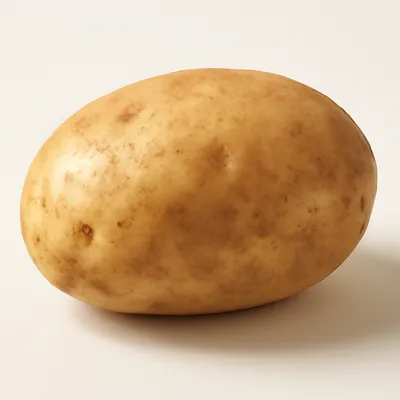
Across the Ragusano almost every family keeps its own version. Many add cubed potato to stretch the filling and soak up juices, and peas, spring onion or sun-dried tomato appear in some households. A little grated pecorino or caciocavallo may be scattered over the lamb, and bay or wild fennel can scent the meat. Poorer or older recipes lean on offal in place of muscle. The same dough wraps other Easter fillings too, and the dish shares its family with the flat, folded scacce of the same towns.
On the Palate
Where 'Mpanata di Agnello sits in the Italian flavor cloud
Ingredients
Serves 6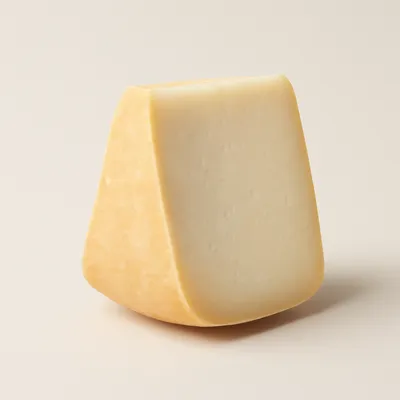

How it's made
8 steps · 1 hour 15 min active + 2 hours 15 min waiting
- 1100 min
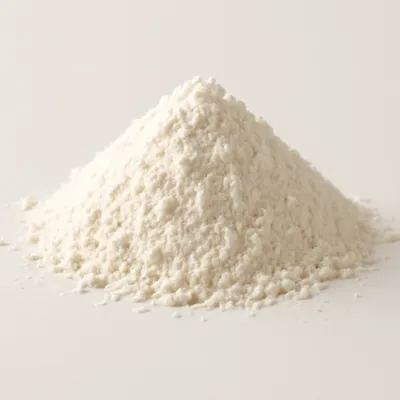
Make a bread dough from flour, yeast, water, a little olive oil or lard and salt; knead until smooth and elastic, then cover and leave to rise until doubled, about an hour and a half.
Watch outGive the bread dough a full slow proof to doubled — the relaxed gluten is what lets the thick lower crust stretch to line the dish and later drink up the juices without dissolving.
- 220 min
Cut young lamb into chunks, keeping some on the bone, and toss with sliced onion, chopped garlic, parsley, salt, pepper and olive oil; let it steep while the dough proves.
- 312 min
Divide the risen dough into a larger and a smaller piece, and roll the larger one into a thin round to line an oiled baking dish, letting it overhang the rim.
- 412 min
Pack the lamb and onion into the lined case, tucking the chunks evenly and adding cubed potato if using, then moisten with a little of the marinade.
- 510 min
Roll the smaller piece into a lid, lay it over the filling, and press and crimp the two crusts firmly together to seal in the juices; prick the top once or twice.
Watch outPress and crimp the two crusts firmly shut — the tight seal traps the steam so the raw lamb braises in its own moisture; a gap lets the juice run out and the meat dries.
- 690 min
Bake in an oven at about two hundred degrees for roughly one and a half hours, until the crust is deep golden and the lamb is tender to a skewer.
- 760 min
Rest the pie for at least an hour out of the oven so the bottom crust drinks up the rendered juices and the filling firms enough to slice.
Watch outRest the baked pie at least an hour before cutting — the bottom crust drinks up the rendered juices (that's the prized part) and the filling firms enough to slice clean; cut it hot and it collapses.
- 85 min
Cut into thick wedges and serve warm as the centre of an Easter table.
Archive tool suggestions — not reviewed
These legacy suggestions have not been evidence-reviewed and are not presented as required tools.


