Pavia's cloud-light celebration cake: equal weights of butter, sugar and eggs combined with a half-flour, half-potato-starch blend, scented with lemon and vanilla, producing a crumb so extraordinarily fine and crumbly it earned the name 'paradise.' Codified in 1878 by pastry master Enrico Vigoni for Marchese Cusani Visconti, it holds PAT status across Pavia and Mantua provinces.

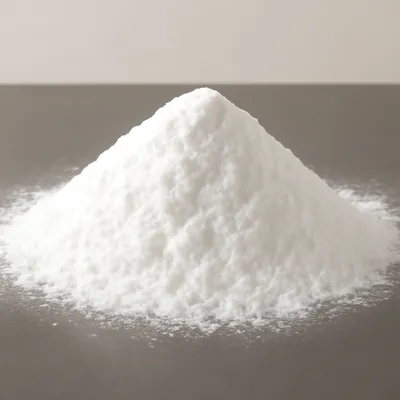


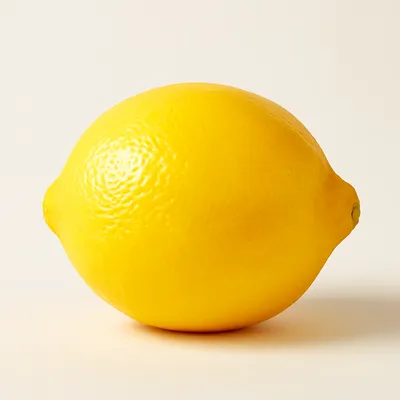
Pavia's confectionery lore attributes the first batch to a Certosa di Pavia friar-herbalist whose fellow monks called it 'torta del paradiso' for its otherworldly lightness — a legend the city cherishes. The documented secular origin belongs to 1878: Enrico Vigoni, whose pasticceria still operates at Corso Strada Nuova opposite the University of Pavia, was commissioned by Marchese Cusani Visconti to create a memorable cake for a grand occasion. Vigoni's solution was a lavish four-quarters formula (equal weights of butter, sugar, eggs and a flour-starch blend) with potato starch replacing half the flour — the structural move that produces the trademark crumbliness. The cake came to national attention after winning a prize in Rome in 1888 and again at the 1906 Milan International Exposition. It holds PAT (Prodotto Agroalimentare Tradizionale) recognition under the name torta del paradiso for Pavia and Mantua provinces.
Extraordinarily fine and crumbly, almost powder-soft at the palate; a warm haze of vanilla and lemon zest dissolves on the tongue as the starch-lightened crumb disintegrates — richer than sponge, far lighter than a pound cake.
Potato starch granules gelatinize at a lower temperature than wheat starch (around 65℃ versus 80℃) and form shorter, less elastic chains, so the crumb network is fragile and shatters easily — the structural secret of the cake's celebrated crumbliness. Creaming softened butter with icing sugar traps microscopic air bubbles; whipped egg whites folded in last expand those bubbles in the oven as internal steam builds, producing rise without chemical leavener. Lecithin from the egg yolks emulsifies the fat and water phases into a stable batter that holds the air structure through the full bake.
Variations
Vigoni's shop today offers versions filled with chantilly cream, jam or chocolate spread as a modern layer cake. A Mantua variant scents the batter with mixed citrus zest. Some pastry kitchens substitute clarified butter for standard butter, deepening the crumb's colour and richness.
On the Palate
Where Torta paradiso sits in the Italian flavor cloud
Ingredients
Serves 8How it's made
7 steps · 25 min
- 115 min
Bring butter to room temperature; separate eggs into yolks and whites; sift together the 00 flour and potato starch; zest the lemon.
- 25 min
Beat softened butter with icing sugar in a stand mixer on medium-high until very pale and fluffy, about 5 minutes.
Watch outCream the butter and sugar a full five minutes until it's near-white and fluffy — those trapped air bubbles are what lift the cake without any leavener.
- 35 min
Add egg yolks one at a time, beating well after each; mix in vanilla extract and lemon zest until fully incorporated.
- 45 min
Sift the flour-starch mixture into the butter mixture in three additions, folding gently with a spatula after each.
- 55 min
In a clean bowl, whip egg whites with a pinch of salt to stiff peaks; fold one-third into the batter to loosen it, then fold in the remainder in two gentle additions.
Watch outFold the whites in with a light hand, cutting down and lifting over — stir hard and you knock the air out and the crumb bakes dense.
- 65 min
Butter and flour a 22 cm springform pan; pour in the batter, smooth the surface and do not tap the pan.
- 740 min
Bake in a pre-heated oven at 170℃ for 35–40 minutes until a skewer inserted at the centre comes out clean; cool in the pan 10 minutes, unmould and cool completely before dusting generously with icing sugar.
Watch outTest with a skewer at the very center — it should come out clean and dry; the top springs back when you press it.
Archive tool suggestions — not reviewed
These legacy suggestions have not been evidence-reviewed and are not presented as required tools.


