Piedmont's grandest festive centrepiece, governed by the 'rule of seven': seven prime beef cuts, seven offal and mixed pieces, all slowly simmered to succulent tenderness, then served with seven sauces led by the bright-green bagnet verd.

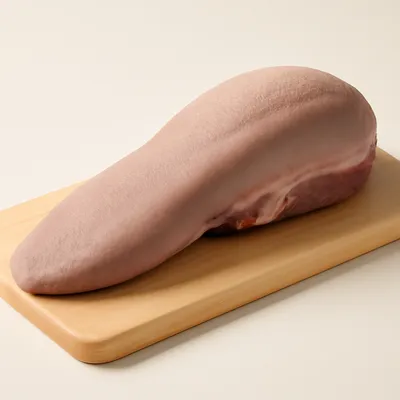


Gran Bollito Misto took shape in Carrù, a cattle-market town in Cuneo province celebrated for the quality of its Piemontese breed beef, where livestock markets have been held since the 15th century. Giovanni Vialardi — chef successively to Carlo Alberto and Vittorio Emanuele II — recorded the dish in his 1887 book Cucina borghese semplice ed economica. The canonical 'rule of seven' — seven beef cuts, seven ammennicoli (tongue, testina, tail, trotter, hen, cotechino, rolata) and seven sauces — was codified much later, in the 20th century, by the gastronome Giovanni Goria for the Accademia Italiana della Cucina. Both Count Cavour and King Vittorio Emanuele II were celebrated enthusiasts of the dish. The Fiera del Bue Grasso di Carrù, held each December since 1910, stages the Gran Bollito to this day, and the dish remains inseparable from the Langhe and Monferrato wine territories.
Yielding, silk-textured slices of brisket and tongue bathed in clear golden broth; each piece dipped into the herbaceous tang of bagnet verd or the sweet-sour depth of cugnà — ancient simplicity yielding extravagant sensory depth.
Starting the beef in already-boiling salted water seizes the outer proteins immediately, reducing flavour loss into the broth compared to a cold-start. Sustained simmering at 85–90 ℃ over three or more hours dissolves the collagen in connective tissue into gelatin, which lubricates muscle fibres and produces the characteristic tender-yet-sliceable texture. Cotechino is always cooked in a separate pot because its high fat content would cloud and grease the master broth; the hen starts in cold water to keep its own broth clear and prevent the flesh from toughening under shock heat.
Variations
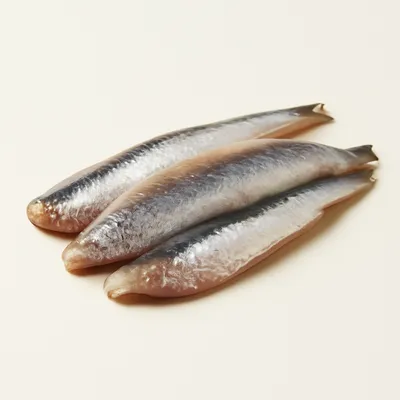
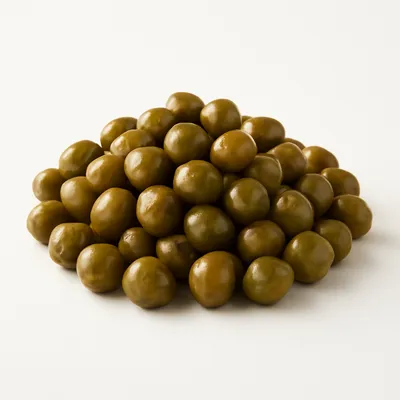
Smaller home versions reduce to four or five cuts. The seven canonical sauces include bagnet verd (parsley, anchovy, capers, garlic, vinegar-soaked bread, olive oil), bagnet ross (tomato and pepper), cugnà (grape must and quince chutney), salsa rossa, cren (horseradish cream), mostarda and tuna sauce. Monferrato variants sometimes substitute musetto (head sausage) for cotechino.
On the Palate
Where Gran Bollito Misto alla Piemontese sits in the Italian flavor cloud
Ingredients
Serves 8

How it's made
9 steps · 40 min
- 110 min
Prepare the aromatic base: fill a large stockpot with well-salted water, add a quartered onion, two carrots, two celery stalks, bay leaves and a whole clove; bring to a rolling boil.
- 215 min
Lower the toughest beef cuts (brisket and cheek) into the boiling water; return to a full boil, skim all foam thoroughly, then reduce to a gentle simmer.
Watch outLower the tough cuts into water that's already at a rolling boil — it seizes the surface and keeps the meat's flavour in, then skim every bit of grey foam before dropping to a simmer.
- 360 min
After 30 minutes add the tongue; after another 30 minutes add oxtail and trotter, skimming as needed; adjust the simmer to maintain 85–90 ℃.
Watch outHold the pot at a bare 85–90°C, just a few lazy bubbles — a hard boil toughens the meat and clouds the broth you want crystal-clear.
- 4120 min
Continue slow simmering for a further 2 hours; total cooking time for the brisket should reach 3–3.5 hours from the start.
- 5100 min
In a separate pot, prick the cotechino all over with a needle; cover with cold water and simmer gently for 1.5–2 hours, keeping it isolated to protect the master broth.
Watch outCook the cotechino in its own separate pot — its fat would cloud and grease the master broth if it shared the pan.
- 690 min
In a third pot, simmer the hen or capon starting from cold water with a fresh aromatic bundle for about 1.5 hours until fully cooked through.
- 730 min
While the meats finish, pound the bagnet verd in a mortar (parsley, anchovy fillets, capers, garlic, vinegar-soaked day-old bread, olive oil) into a rough green sauce; prepare the bagnet ross and portion the cugnà into small bowls.
- 820 min
Test brisket with a skewer for tenderness; remove all meats; peel the tongue while still hot and slice it neatly; carve all pieces and arrange on a large warmed platter, moistening with a ladleful of strained master broth.
- 910 min
Serve the strained golden broth first in cups as a warming soup course, then present the platter of carved meats with all the sauces alongside for guests to help themselves.
Archive tool suggestions — not reviewed
These legacy suggestions have not been evidence-reviewed and are not presented as required tools.



