A Palermo street-food sandwich of veal spleen — and usually lung — sliced thin, boiled, then fried in lard (strutto) and piled into a soft round sesame bun called a vastedda (or a mafalda). It is sold two ways: «schietto» (single, plain), dressed with nothing but a squeeze of lemon, or «maritato» (married), with grated caciocavallo and/or fresh ricotta folded in. The vendor, a meusaru, works the offal in a tilted pan of bubbling lard at street friggitorie and historic focaccerie, fishing out a portion to order and pressing it into the bun so the bread drinks up the fat. It is eaten standing, hot, folded in paper, as a cheap and emphatically savoury snack. The spleen is mineral and faintly bitter, the lung springy, the lemon and cheese there to balance the richness.




Pani ca meusa is old Palermo street food, the trade of the meusari — the offal-vendors who still set up each morning with a tilted pan, a tub of boiled, sliced spleen and lung, and a stack of buns. It is most often said to have begun with the medieval Jewish community of Palermo: the common account holds that Jewish butchers, who could not take money for slaughtering work, were paid instead in offal — spleen, lung, trachea — which they cleaned, boiled, and fried in lard to sell on the street, the tradition carried on by Christian vendors after the Jewish community was expelled from Sicily in 1492. The dating to roughly the 11th century is traditional rather than documented, and is given as such. The name is literal: «meusa» is Sicilian for spleen (in Italian «pane con la milza», bread with the spleen), the word itself tracing back through a Germanic root «milzi» and the Catalan «melsa». The seller is the meusaru; the soft sesame bun is the vastedda.
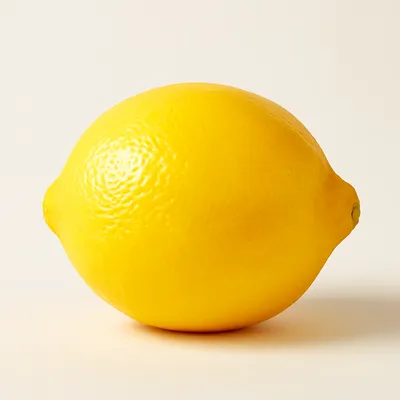
A soft, faintly sweet sesame bun, its crumb soaked through with hot lard, around a mound of thin-sliced offal. The spleen is the dominant note — soft, dense, distinctly mineral and iron-rich, with a clean bitterness behind it; the lung, if included, is lighter, springier, almost spongy. A hard squeeze of lemon is essential, cutting straight through the fat. Ordered «maritato», salty caciocavallo and milky ricotta round off the bitterness and bind the whole thing. At its best it is fresh and scalding hot, the bread greasy-soft but not sodden. Bad ones are lukewarm and congealed, the lard set to a film and the spleen turned flat, livery, and over-bitter.
Spleen is a blood-filtering organ dense with myoglobin and residual blood, which is the source of its strong iron-and-mineral taste; lung is light, air-filled, and springy in texture. The offal is boiled first for two reasons — to cook and clean it, and to firm the soft tissue so it slices and fries without disintegrating. It is then fried in lard, not oil: rendered pork fat carries savoury flavour into the lean offal and crisps the cut edges, and refined lard holds a frying temperature around 180–190°C without breaking down. The bun is pressed onto the meat so its crumb wicks up the hot fat — which is also why the sandwich must be eaten immediately, before the lard cools and congeals into a greasy film. The lemon's acid and the fat of the caciocavallo and ricotta both work against the richness and the spleen's bitterness — acid by contrast, cheese-fat and milk-proteins by coating and softening.
Variations
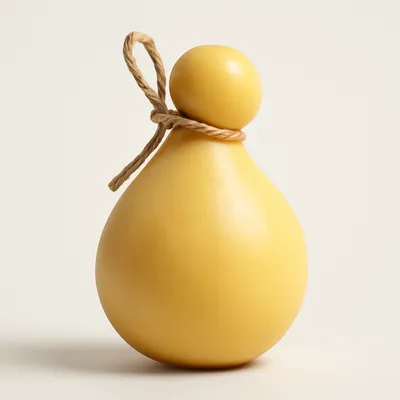
The two canonical forms are «schietto» (also schettu, «single»), dressed only with lemon, and «maritato» (maritatu, «married»), enriched with grated caciocavallo and/or fresh ricotta — some stalls add only the hard caciocavallo, others the soft ricotta, many both. The filling is classically spleen and lung, and some accounts include ox trachea (cartilage) in the mix; others serve spleen alone. The bread is usually the vastedda — soft, round, sesame-topped — but a mafalda (mafaldina) roll is also used. The dish is sold from street friggitorie and the historic focaccerie of Palermo, where the meusaru works the offal to order from a tilted pan of lard.
On the Palate
Where Pani ca Meusa sits in the Italian flavor cloud
Ingredients
Serves 4

How it's made
9 steps · 40 min active + 30 min waiting
- 13 min
Rinse the veal spleen and lung well under cold water to remove surface blood.
- 230 min
Simmer the spleen and lung in salted water until cooked through and firm, about 30 minutes, then drain and cool.
Watch outSimmer the spleen and lung until cooked through and firm before slicing — boiling firms the soft tissue so it slices thin and fries without falling apart.
- 38 min
Slice the boiled offal as thinly as possible into broad, flat strips.
- 45 min
Melt a generous depth of lard in a wide, deep pan and bring it to a brisk frying heat, around 180°C.
Watch outMelt a generous depth of lard and bring it to a brisk 180 degrees — real lard, not oil, carries savour into the lean offal and holds the frying heat.
- 58 min
Fry the sliced spleen and lung in the lard until the edges crisp and the slices are hot through, working in batches.
- 62 min
Split a soft sesame vastedda bun and warm the cut faces, then press them onto the meat so the crumb soaks up the hot lard.
Watch outPress the warmed bun onto the meat so its crumb wicks up the hot lard — that fat-soaked crumb is the whole point; a dry bun misses it.
- 71 min
Pile a hot portion of the fried offal into the bun, letting excess lard drip back into the pan.
- 81 min
For schietto, finish with a hard squeeze of lemon only; for maritato, fold in grated caciocavallo and/or fresh ricotta.
- 91 min
Wrap in paper and serve at once, scalding hot.
Archive tool suggestions — not reviewed
These legacy suggestions have not been evidence-reviewed and are not presented as required tools.