
A seasonal delicacy of the Venetian lagoon: small green shore crabs caught in the few hours just after they moult, while the new shell is still soft enough to eat whole. The crabs are dipped in beaten egg, dredged in flour and deep-fried until crisp and golden, then eaten entire — shell, legs and all. Lightly salted and served hot, often with a wedge of lemon and sometimes a spoon of soft polenta, they are a brief spring-and-autumn treat tied to the rhythm of the lagoon.
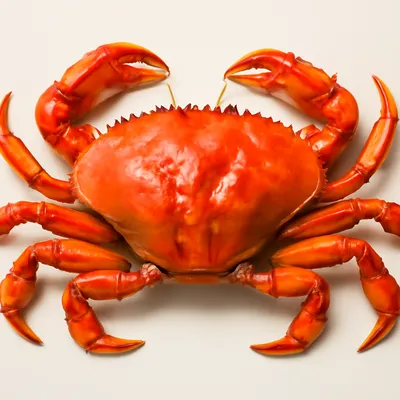




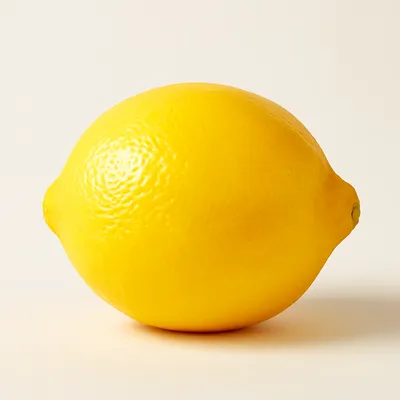
Moeche are a specialty of the Venetian lagoon, especially the islands of Burano and Giudecca and the town of Chioggia, where the harvest is the work of specialist fishermen known as moecanti. Their craft — sorting crabs about to moult and holding them in submerged wooden cages until the shell softens — has been recognised since the time of the Venetian Republic and practised for at least three centuries; for much of that time it was a closely guarded trade secret of the Chioggia fishermen. The name comes from the Venetian dialect word for «soft», describing the moulted crab; the dish is listed in Slow Food's Ark of Taste.
Whole and small enough to eat in one or two bites, moeche are shatteringly crisp on the outside and soft, almost creamy within — there is no hard shell to fight, just a thin crackle giving way to tender crab. The flavour is intensely of the sea, sweet and briny, deeper and more concentrated than ordinary crab meat, with a savoury richness from the soft innards. The egg-and-flour coat fries to a delicate, lacy crust. They must be eaten hot and fresh from the oil; gone cold or fried limp they turn greasy and lose the contrast of crackle and cream.
The whole premise rests on timing the moult: as the crab outgrows its rigid exoskeleton it sheds the old shell, and for only a few hours — before the new cuticle hardens by mineralising with calcium — the entire animal is soft and edible. Fishermen exploit this by sorting the crabs by how close they are to moulting and holding the near-ready ones in lagoon cages, harvesting each just at the soft window. The traditional preparation soaks the live crabs in beaten salted egg for an hour or two so they take the egg up into the body; dredged in flour and plunged into hot oil, the thin egg-and-flour layer sets fast against the heat into a crisp shell, while the brief, intense frying cooks the soft crab through without time to toughen it. The lemon at the end cuts the richness of the fried, fatty innards.
Variations
The same crabs are also cooked moeche col pien — «filled» — where the egg-soaked crabs are fried as here but the dish leans on the egg they have absorbed for extra richness. Some cooks simply pan-fry them in oil with garlic and parsley, or serve them with soft white polenta rather than lemon. The female crab, caught soft at a different stage, is the masanete, usually boiled and dressed with oil and lemon rather than fried. Beyond Venice, soft-shell crab is eaten across the world, but the moeche tradition of the lagoon — and the green shore crab it uses — is distinct.
On the Palate
Where Moeche sits in the Italian flavor cloud
Ingredients
Serves 4How it's made
7 steps · 20 min
- 15 min
Rinse the live moeche in cool water; if any sand clings, swish gently and drain.
- 2120 min
Beat the eggs with a little salt in a deep bowl, add the crabs, and leave them to soak for an hour or two so they take up the egg.
Watch outLeave the live crabs in the beaten egg an hour or two so they drink it right into the body — this is what makes the insides creamy when fried.
- 35 min
Heat a deep pan of oil to a brisk frying temperature, about 180°C.
- 45 min
Lift the crabs from the egg and dredge them well in flour, shaking off the excess.
- 56 min
Fry the crabs in batches until crisp and deep golden, a few minutes, turning so they colour evenly.
Watch outFry at a brisk 180 degrees until crisp and deep golden, turning so they color even — the soft shell should shatter-crisp all over.
- 62 min
Lift out onto paper to drain briefly and season with a little salt.
- 71 min
Serve straight away, very hot, with wedges of lemon and, if you like, a spoon of soft polenta.
Archive tool suggestions — not reviewed
These legacy suggestions have not been evidence-reviewed and are not presented as required tools.



