An oval shortcrust pastry from Lecce filled with sweetened almond paste and quince jam, baked until golden, and sealed in a shell of dark chocolate. Also known as barchiglia for its boat-like silhouette, this was an 18th-century noble confection of the Salento masserie, reserved for aristocratic banquets during the Bourbon era. Now a daily fixture in Lecce pastry shops, registered on Italy's national traditional agri-food products list since 2001 and protected under the 'Dolce in Salento' collective trademark since 2007.





The fruttone emerged in 18th-century Salentine masserie (farmsteads) and convent kitchens as a means of preserving seasonal almonds and fruit in pastry form. During the Bourbon reign of the Kingdom of the Two Sicilies, the pastry — then called barchiglia or varchiglia for its boat-like outline — became a fixture at aristocratic banquets across Lecce province, a symbol of Salentine opulence. It was registered on Italy's national traditional agri-food products list in 2001. Historically the pastry was glazed with a scileppo (powdered-sugar syrup); the dark chocolate coating that defines it today spread widely from the 1980s. In 2007 the Salentine Pastry Chefs' Association of Confartigianato Lecce obtained the 'Dolce in Salento' collective trademark, standardising ingredients and preparation.
The snap of a thick dark chocolate shell gives way to crumbly, buttery shortcrust that shatters cleanly; beneath, the almond paste is dense and moist, scented with cinnamon, while a thin seam of quince jam — sticky, floral, faintly tart — cuts through the richness. Best eaten at room temperature, whole, alongside a short espresso.
Shortcrust achieves its crumbly texture because fat (lard or butter) coats flour particles before water is added, preventing gluten network formation; the baked dough shatters cleanly rather than flexing. At 180 °C, Maillard reaction between amino acids in the egg-enriched dough and reducing sugars generates the golden colour and nutty aroma of the shell. The almond paste — ground almonds bound with egg whites and sugar — coagulates and partially caramelises in the oven, setting to a fudgy, moist interior. Quince jam's high natural pectin content keeps it firmly gelled through the bake. After cooling, tempering the dark chocolate — melting to 45 °C, cooling to 28–29 °C on a marble surface, then raising to 31–32 °C — crystallises cocoa butter into stable Form V polymorphs, producing the characteristic glossy surface and clean snap.
Variations
The fruit filling varies by producer and season: quince jam is most traditional in Lecce; pear, apricot, and sour cherry are common across Salento. The original scileppo glaze (powdered-sugar syrup) predates the chocolate shell and can still be found at a handful of old-school bakeries. A smaller festival version is called fruttino. Some artisans add citrus zest or a splash of Aleatico passito to the almond paste for added fragrance.
On the Palate
Where Fruttone Leccese sits in the Italian flavor cloud
Ingredients
Serves 12

How it's made
8 steps · 45 min
- 135 min
Prepare shortcrust: combine flour, lard (or cold butter), caster sugar, a pinch of salt, and egg yolks; work quickly until a crumbly dough just comes together; wrap and rest in the refrigerator for 30 minutes.
Watch outWork the shortcrust fast and just to a crumble, then chill — over-handle it and the gluten develops, and the shell bakes tough instead of shattering-crisp.
- 215 min
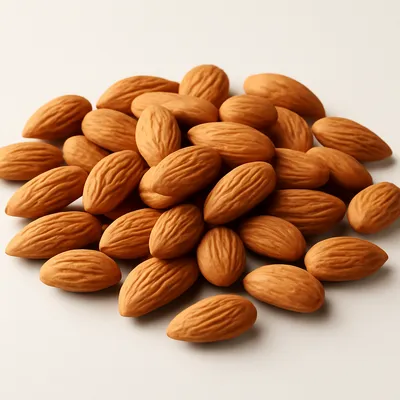
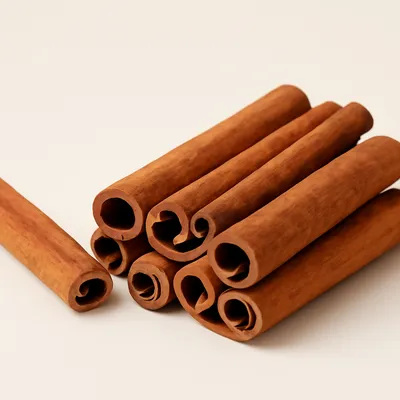
Make almond paste: mix finely ground toasted almonds with caster sugar, a pinch of ground cinnamon, and enough egg white to form a smooth, pliable paste; set aside.
- 35 min
Preheat the oven to 180 °C; grease and flour oval pastry molds (approximately 10 × 6 cm each).
- 410 min
Roll the shortcrust to 4 mm thick on a lightly floured surface; cut oval pieces, press them into the molds covering base and sides, and trim excess dough flush with the rim.
- 510 min
Spoon a thin layer of quince jam into the base of each pastry shell, then fill to the rim with almond paste, smoothing the surface level with the pastry edge.
- 625 min
Bake for 18–20 minutes until the pastry is golden and the almond paste is fully set; cool completely on a wire rack before unmolding.
- 715 min
Temper the dark chocolate: melt to 45 °C, pour onto a marble surface and work with a spatula until cooled to 28–29 °C, then return to the bowl and warm gently to 31–32 °C.
Watch outTemper the chocolate down to 28 to 29, then back up to 31 to 32 — hit those numbers and the coating sets glossy with a snap; skip tempering and it dries dull and streaky.
- 810 min
Dip the top of each pastry into the tempered chocolate; set on a wire rack and allow the coating to harden at cool room temperature before serving.
Archive tool suggestions — not reviewed
These legacy suggestions have not been evidence-reviewed and are not presented as required tools.