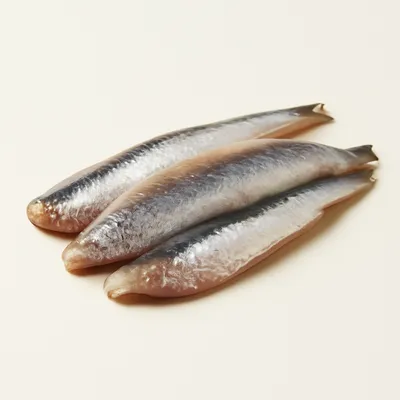
Sardoni in savor is the Trieste and Grado coast's marinated fresh anchovy, an Adriatic antipasto. Sardoni are the large fresh anchovies of the upper Adriatic — floured and fried, then layered while warm with a sweet-sour marinade of onions softened in vinegar with bay and garlic, the savor. Left to steep for a day or more, the fish drinks in the sour-sweet liquor and softens to the bone. It is the Triestine cousin of the Venetian sarde in saor, sharing the same preservation idea but distinct in framing: it uses the local sardoni rather than sardines and keeps to a plain onion-and-vinegar savor, without the pine nuts and raisins of the Venetian dish. Eaten cold with bread, it is a staple of the city's old buffets and a classic way to keep a glut of fresh fish.




The savor is the Adriatic's old sweet-sour fish marinade, the eastern relative of the Venetian saor, whose name comes from the Venetian word for flavour, ultimately the Latin sapor. It began as a sailors' and fishermen's preservation method: fried fish was packed in earthenware in alternating layers with onions cooked down in vinegar and oil, the acid keeping the catch edible for days without refrigeration, and the dish was eaten only after it had settled. The technique runs the length of the upper Adriatic, and Trieste, the great Habsburg seaport, took it up with its own large fresh anchovy, the sardone, alongside the broader Venetian and Istrian tradition. Triestine cuisine documents sardoni in savor as a local dish — anchovies marinated in vinegar, layered with an onion sauce made with vinegar, bay and garlic — distinct from the Venetian sarde in saor, which sweetens its onions and adds pine nuts and raisins from Venice's spice trade. No single founding date survives; like most saor, it is a frugal coastal practice of preserving fresh fish, claimed across Venice, Trieste, Grado and the Istrian coast alike.
The anchovies come glistening under a tangle of soft, translucent onion, the fish silvery where the fried crust has softened in the marinade. The first taste is bright vinegar, then the mellow sweetness of the cooked onion, then the oily, savoury richness of the fish underneath — the same sour-then-sweet-then-fatty order that defines the saor family. The flesh is tender and yielding, no longer crisp but soaked and supple, the small bones gone soft enough to eat. It tastes sharp and one-dimensional the day it is made and rounds out over two or three days as the marinade penetrates. Served cool on bread, it is clean, briny and refreshing, an appetite-opener rather than a heavy plate.
Marination does the work after the frying. The flour crust on the fried anchovy is the key: it crisps and browns in the hot oil through the Maillard reaction, and it then acts as a sponge, holding the marinade against the flesh so the fish takes up flavour rather than shedding it — which is why the fish is fried, not grilled. The vinegar is both preservative and tenderiser: its acetic acid drops the pH low enough to inhibit spoilage bacteria, and it denatures the muscle proteins and slowly dissolves the fine pin-bones, softening the whole fish to the bone over a day or two. Meanwhile the onions, cooked gently in the vinegar, release sugars that diffuse through the liquor and round off its sharpness, so the marinade balances toward sweet-sour as it rests. The dish is eaten cold and improves on standing precisely because acid and onion-sugar need time to migrate evenly into the flesh.
Variations
The fish is the first variable: classically the upper-Adriatic sardone, but the same savor takes sardines, small mackerel (suri) or other oily coastal fish in season. Some cooks grill the sardoni rather than fry them for a lighter, less rich plate; others bone and open them flat before marinating. The savor itself ranges from a stark onion-vinegar steep to versions warmed with bay, peppercorns, a little white wine or a touch of sugar to soften the acid. The clearest contrast is with the Venetian sarde in saor, which sweetens the onions and folds in pine nuts and raisins; the Trieste and Grado version stays leaner and sharper. Up and down the coast — Venice, Chioggia, Grado, the Istrian shore — every town keeps its own balance of sour and sweet.
On the Palate
Where Sardoni in Savor sits in the Italian flavor cloud
Ingredients
Serves 4

How it's made
8 steps · 1 hour
- 115 min
Clean the fresh anchovies: remove the heads and guts, rinse, and pat thoroughly dry.
- 25 min
Dredge the anchovies lightly in flour, shaking off the excess.
Watch outDredge lightly in flour before frying — this crust crisps in the oil and then sponges up the marinade, which is why the anchovy is fried, not grilled.
- 312 min
Fry them in hot oil until crisp and golden on both sides, then lift out and drain on paper.
- 412 min
In a wide pan, soften the thinly sliced onions slowly in oil until translucent and limp without colouring.
Watch outSoften the onions slowly without letting them color — they should go translucent and limp; browning turns the sweet-sour savor harsh.
- 56 min
Add the vinegar, bay leaves and a little garlic, season, and simmer a few minutes into a sweet-sour savor.
- 68 min
In a dish or jar, layer the fried anchovies with the warm onion savor, finishing with a layer of onions and liquid so the fish is covered.
- 71440 min
Cover and refrigerate to marinate for at least a day, ideally two to three, so the flavour penetrates.
Watch outMarinate at least a day, ideally two to three — the vinegar needs time to penetrate the flesh and soften the fine pin-bones to the bone.
- 85 min
Bring back toward room temperature and serve cool with bread.
Archive tool suggestions — not reviewed
These legacy suggestions have not been evidence-reviewed and are not presented as required tools.