A staple of Hunanese dry-pot restaurants: pre-boiled honeycomb beef tripe cut into strips and stir-fried at blistering heat with onion, fragrant dried tofu, garlic scapes, Sichuan peppercorns, dried chilies, and doubanjiang, then presented in a heated tableside iron pot. Bold, chewy, and aromatic.
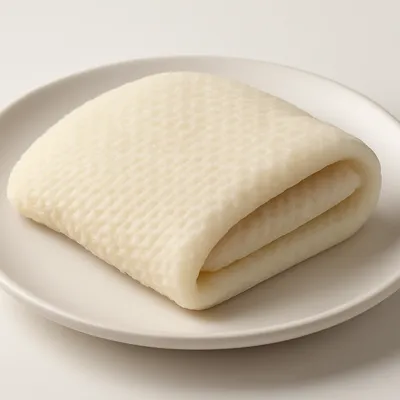


Dry-pot cooking (gankuo) emerged as a distinct Hunanese restaurant format in the 1990s and 2000s, evolving from the region's long tradition of tableside hotpot. Unlike hotpot, the dry pot uses minimal or no liquid and relies on repeated high-heat stir-frying to concentrate flavor directly into the main ingredient. Beef tripe, long valued in Hunanese cooking for its resilient springy texture and remarkable capacity to absorb aromatics, became one of the format's most popular proteins. By the 2000s, dry-pot beef tripe was a fixture on menus across Hunan and had traveled with the Hunanese restaurant diaspora to Beijing, Shanghai, and Chengdu. The dish has no single documented inventor; it belongs to the collective culinary grammar of Hunan's reform-era restaurant boom.
The tripe is resilient and springy, pushing back before yielding, with a surface that has absorbed a full register of heat: Sichuan pepper's tingle, chili burn, and young ginger warmth in sequence. Onion and garlic scapes weave sweetness and crunch between each chewy mouthful.
Pre-boiling the tripe with ginger and rice wine removes blood compounds and off-flavors while heat partially hydrolyzes the collagen in the stomach wall's connective tissue, softening the texture from rigid to springy-tender. The subsequent high-heat stir-fry in doubanjiang and hot oil drives Maillard reactions on the cut tripe surfaces, generating roasty, savory notes. Sichuan pepper's active compound (a hydroxy fatty acid amide) binds to mechanoreceptors in the mouth's mucosa, generating a tingling sensation at roughly 50 vibrations per second; this sensory input amplifies the perceived intensity of the chilies' capsaicin through cross-modal summation, producing the characteristic Hunanese numbing-hot effect.
Variations
Classic: fragrant tofu strips and garlic scapes as standard accompaniments. Lotus root variant: thin lotus root slices added for starchy crunch and visual contrast. Mixed texture version: beef tripe combined with beef tendon in the same pot for two distinct textures. Spicy-sour version: a splash of rice vinegar added at the final toss for a bright acid finish. Pork stomach substitution: the same method works equally well with pre-boiled pig stomach.
On the Palate
Where Dry-Pot Spicy Beef Tripe sits in the Chinese flavor cloud
Ingredients
Serves 3


How it's made
7 steps · 20 min
- 160 min
Bring a large pot of water to a boil; add cleaned beef honeycomb tripe, ginger slices, Sichuan peppercorns, and rice wine. Boil for 45-60 minutes until tripe is tender yet still springy. Drain, cool, and cut into 5 cm strips.
Watch outBoil the tripe with ginger and wine 45–60 minutes until tender but still springy — under-boiled it stays rigid, over-boiled it goes limp and loses the snap.
- 25 min
Slice onion into thick rings; cut fragrant dried tofu into batons; trim garlic scapes into 4 cm sections; cut young ginger into thin strips. Set all aside.
- 31 min
Heat a wok over high heat until lightly smoking; add 3 tablespoons oil, then dried chilies and Sichuan peppercorns, and fry for 30 seconds until the oil is fragrant and beginning to color.
- 42 min
Add young ginger strips and doubanjiang; stir-fry vigorously for 1-2 minutes until the paste darkens and the oil turns a deep red.
Watch outFry the doubanjiang until the paste darkens and the oil turns deep red — this is the color and savory base of the whole dry-pot.
- 54 min
Add tripe strips and stir-fry at maximum heat for 3-4 minutes, tossing constantly, until the tripe absorbs the sauce and the cut edges begin to caramelize.
Watch outToss the tripe at maximum heat only 3–4 minutes until the cut edges just caramelize — linger and it toughens instead of staying tender.
- 62 min
Add onion rings, garlic scapes, and fragrant tofu batons; toss together for 2 minutes until vegetables are just cooked through but still retain some crunch.
- 72 min
Season with soy sauce and salt to taste; transfer to a preheated dry-pot vessel and serve over a tabletop flame to keep sizzling at the table.


