Andhra Pradesh's defining raw-mango pickle, in which sour, firm-unripe mango cubes are buried in a vivid red blend of freshly ground mustard powder, red chili powder, salt, and gingelly (sesame) oil, then matured in ceramic jars for weeks until the heat and pungency mellow into a rounded bite. The name joins Telugu ava (mustard) with kaya (raw fruit), naming the two pillars of the recipe.
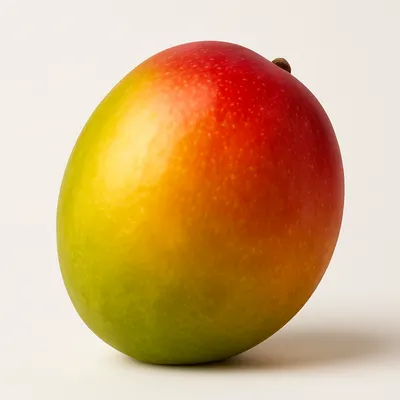

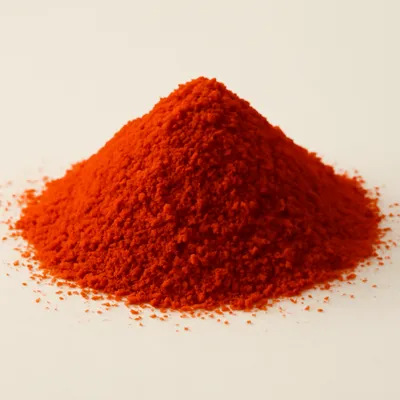
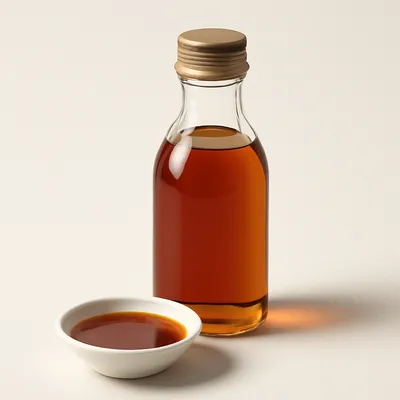


Avakaya is the signature pickle of the Telugu-speaking delta districts of Andhra Pradesh, made each summer when raw mangoes reach peak sourness just before the monsoon. Its name is a literal recipe: ava is Telugu for mustard, kaya for unripe fruit, so avakaya reads as 'mustard-fruit.' The defining method is to cut the mango with its pit intact — so the pieces hold firm through months of curing — then coat them in freshly ground mustard powder, red chili powder, salt, and gingelly oil, which acts as the preserving seal against air. The pickle is mixed by hand and packed into ceramic jaadi jars; family recipes fix the precise ratio of mustard to chili, and a bride's first avakaya was once taken as a measure of her kitchen hand. Tamarind, salt, and oil preservation in hot-climate South Asia long predates refrigeration; Avakaya is the mango-and-mustard form of that older tradition.
A loud crack of raw mango in a furious red paste — mustard-pungent and chili-hot on contact, then a deep sesame-oil richness that rounds the burn.
The preserving triangle is salt, oil, and acid. Salt draws water out of the raw mango by osmosis, dropping the water activity below the level at which spoilage bacteria can grow, while the high-acid mango flesh itself creates a hostile environment for pathogens. Gingelly (sesame) oil forms a dense, oxygen-blocking cap over the solid pieces, starving aerobic microbes and carrying the lipid-soluble aroma compounds of mustard and chili into the fruit. Freshly ground mustard powder releases allyl isothiocyanate — the same pungent compound as horseradish — which is both a flavor and a mild antimicrobial. Over the weeks of curing, the chili and mustard aromatics migrate into the mango and the fruit's cell walls soften just enough to take on the paste without collapsing.
Variations
Avakaya ratios vary by household and district: some add fenugreek powder for bitterness, some a split-chili 'bellam' version sweetened with jaggery, and a magaya variant uses grated mango for a finer texture.
On the Palate
Where Avakaya sits in the Indian flavor cloud
Ingredients
Serves 8How it's made
6 steps · 40 min
- 18 min
Select firm, sour, unripe mangoes, wipe them completely dry, and cut into cubes with the pit left attached.
Watch outWipe the mangoes and everything bone-dry — a single drop of water breeds mould and spoils the whole jar over the weeks.
- 25 min
Dry-grind mustard seed to a fine powder and measure the red chili powder and salt separately.
- 35 min
Combine the mustard powder, chili powder, salt, and a little fenugreek powder in a wide, dry bowl.
- 47 min
Coat the mango cubes thoroughly with the spice mix using clean, dry hands.
- 510 min
Pack tightly into a sterilized ceramic jar and pour gingelly oil over the top to form a sealing layer.
Watch outPack tight and pour oil over to seal the surface completely — any piece poking above the oil is exposed to air and turns.
- 65 min
Cover and rest in a cool, dry place, stirring every two to three days, for two to four weeks before eating.


