

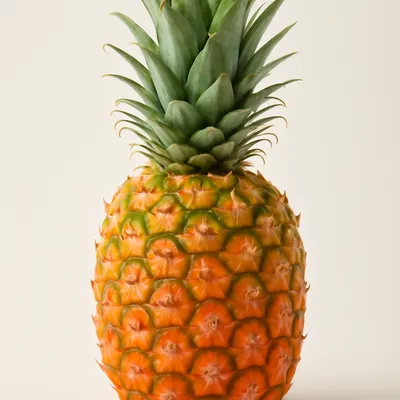
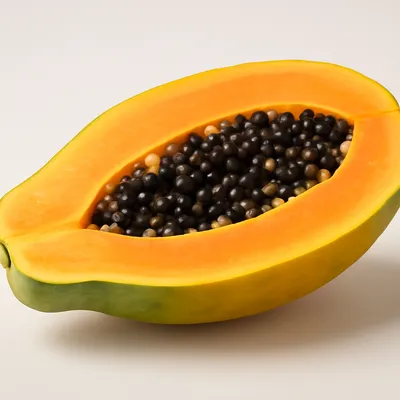


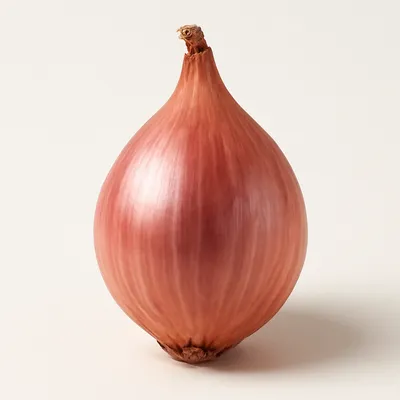
Achcharu (or 'acharu') is Sri Lanka's universal pickle-relish, descended from the colonial Burgher (Portuguese-Dutch) and Malay (Muslim-Indonesian) traditions that brought European-Indian-Indonesian preserving techniques to the island. The Portuguese introduced vinegar pickling; the Dutch added mustard; the Malay community brought the use of palm jaggery for sweet-sour balance. Every Sri Lankan restaurant has a jar of achcharu on the table next to rice-and-curry plates — the sharp-sweet-sour-hot relish cuts through coconut-rich curries. Achcharu is sold in jars at every market, made by every household, and considered a non-negotiable element of Sri Lankan everyday eating.
Spear a piece of achcharu with a fork — green mango wedge, glistening with vinegar-jaggery brine, dotted with mustard seeds. Bite: sour-sour-sweet hits the tongue, then chili heat in the back of the throat, then mustard-and-ginger tang. The crisp texture (still firm from the salt-and-vinegar cure) contrasts with whatever curry-soaked rice you eat alongside. A single tablespoon of achcharu can rescue a too-rich curry meal — the acid cuts the coconut fat, the spice wakes up the palate, the sweet rounds the edges.
Salting-and-draining (step 2) is critical — it removes ~30% of the produce's water, which prevents the brine from being diluted to bland. The acid-pH environment (vinegar pH 2.5, plus mustard and ginger compounds) creates an anti-bacterial preservation system; properly-made achcharu keeps a month refrigerated without spoilage. Mustard seeds release isothiocyanates that contribute the sharp 'mustard tang' — pre-crushing the seeds activates this release.
Variations
Burgher original uses mustard-and-vinegar heavy; Malay community version sometimes adds dried shrimp paste (terasi) for funkier umami; Tamil-Sri Lankan version (achcharu from Jaffna) is sweeter and uses more chili; modern jar-product brands offer 'mild' versions for tourist palates.
On the Palate
Where Achcharu sits in the Sri Lankan flavor cloud
Ingredients
Serves 10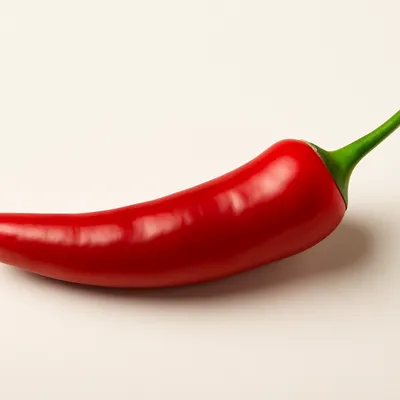






How it's made
5 steps · 30 min active + 1 day 30 min waiting
- 115 min
Prepare the fruits and vegetables: peel and cut into 2cm chunks: 1 large green (unripe) mango, 1/4 pineapple, 1/2 unripe papaya, 2 carrots, 1 green apple, 50g shallots (whole if small). Slice 4-6 green chilies lengthwise (split, not chopped). Total weight should be ~1kg of mixed pieces.
- 265 min
Salt and drain: in a large bowl, toss all pieces with 2 tbsp salt; let sit 1 hour. The salt will draw out moisture. Rinse briefly to reduce saltiness; pat dry with kitchen towels.
Watch outSalt draws the water out over the hour — rinse quickly and pat really dry, or the leftover moisture waters down the brine and it won't keep.
- 39 min
Make the brine: in a saucepan, combine 500ml white vinegar (5% strength) + 200g palm jaggery (or dark brown sugar) + 2 tbsp yellow mustard seeds (lightly crushed) + 2 tbsp grated fresh ginger + 6 minced garlic cloves + 1 tbsp ground turmeric + 1 tbsp Maldive fish flakes (or 1 tsp anchovy paste as substitute) + 1 tsp salt. Bring to a simmer; cook 5 min until jaggery is dissolved.
Watch outSimmer just until the jaggery fully melts and the brine smells sharp with mustard and ginger — don't boil it down or it turns too syrupy.
- 45 min
Pack the dried fruits and vegetables tightly into a clean 1.5L glass jar (or two 750ml jars). Pour the hot brine over the produce — should fully submerge. Press pieces down to remove air pockets. Cap loosely.
Watch outPress the pieces down and top with hot brine until everything is fully submerged — any bit poking above the liquid will spoil.
- 51440 min
Let cool to room temperature, then seal and refrigerate at least 24 hours before serving. Achcharu improves with age: best after 3-5 days. Keeps refrigerated 3-4 weeks. Serve a few tablespoons on the side of every rice-and-curry plate.
Archive tool suggestions — not reviewed
These legacy suggestions have not been evidence-reviewed and are not presented as required tools.


