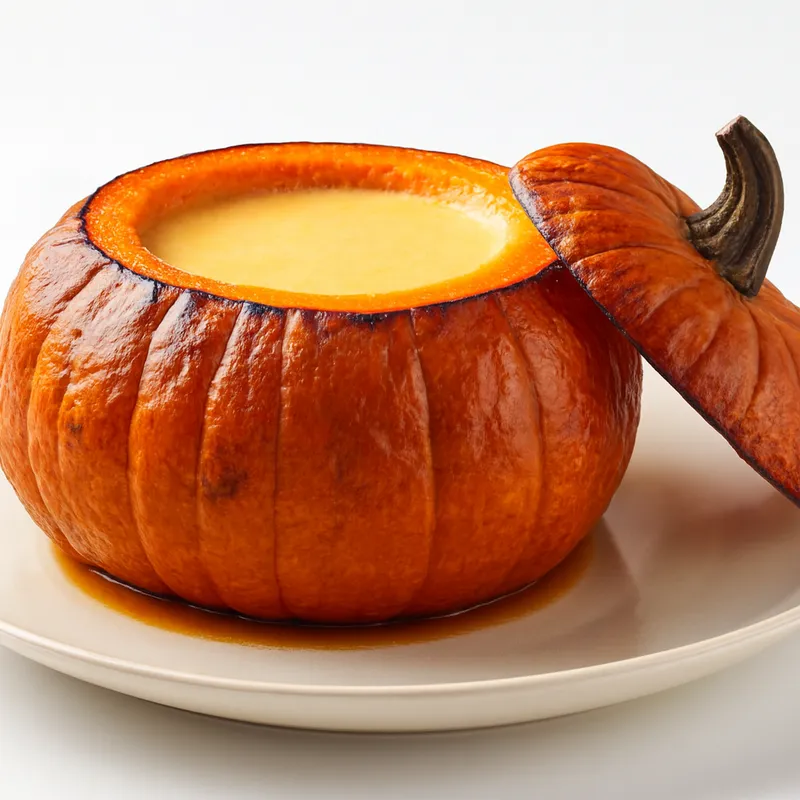
Cham Muslim beef curry — beef shank slow-braised in kreoung lemongrass-galangal-turmeric paste with coconut milk and Indian spices, the Halal river-village preparation distinct from Khmer mainstream.
Cari saiko mum (literally 'beef curry') is the Cham Muslim community's signature curry preparation. The Cham — descendants of the medieval Champa kingdom (in what's now central Vietnam) who fled to Cambodia in the 15th century after their kingdom fell to the Vietnamese — converted to Islam over the centuries and developed a Halal-distinct culinary tradition that uses no pork and no prahok (Khmer fermented-fish paste). The dish reflects three influences: indigenous Cham Champa heritage, Indian Muslim trader influence (the curry spices, the slow braise technique), and Cambodian Khmer kreoung paste base. Found in Cham villages along the Mekong (especially Kampong Cham and Kampong Chhnang provinces) and at Halal Cambodian-Muslim restaurants in Phnom Penh.
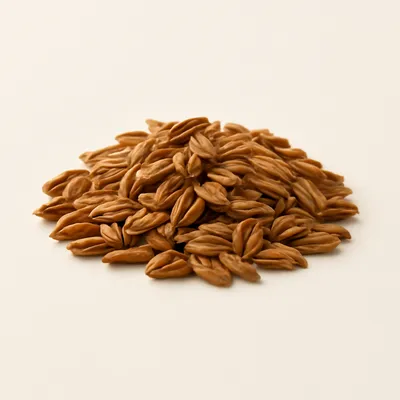
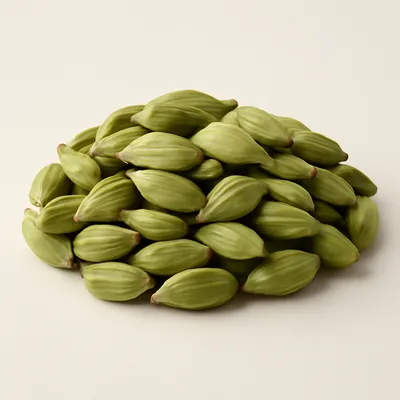
Spoon cari saiko mum over jasmine rice: deep saffron-orange curry, beef chunks tender enough to fall apart, glossy coconut sauce coating everything. The flavor profile is unique — kreoung's lemongrass-galangal-turmeric depth (Khmer base) meets cumin-coriander-cardamom warmth (Indian-Muslim spice). No prahok, no fish-paste funk — the dish is clean Halal-Muslim Cambodian. Pickled carrot-daikon on the side; coconut rice underneath. Eat with fork; spoon dripping sauce onto every grain of rice.
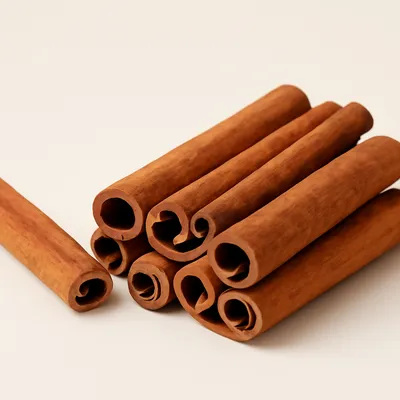
Kreoung paste is the foundation of Khmer flavor — when fried in oil for 5 min, the lemongrass-galangal essential oils dissolve into the cooking fat and disperse throughout the curry. The Indian curry-spice addition (cumin-coriander-cardamom-cinnamon) provides a second flavor layer that distinguishes Cham Muslim curry from Khmer-mainstream curry. The 1.5-hour braise converts beef shank's collagen to gelatin, which thickens the coconut sauce naturally.
Variations
Cham-village original uses fresh kreoung pounded by hand; modern Phnom Penh Halal restaurants use commercial Cham curry paste; coastal Cham version adds shrimp instead of potato; Cham-Cambodian-American restaurants in California often use Halal lamb instead of beef.
On the Palate
Where Cari Saiko Mum sits in the Cambodian flavor cloud
Ingredients
Serves 6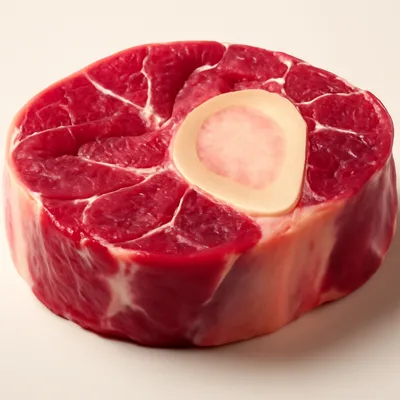











How it's made
5 steps · 35 min active + 1 hour 55 min waiting
- 112 min
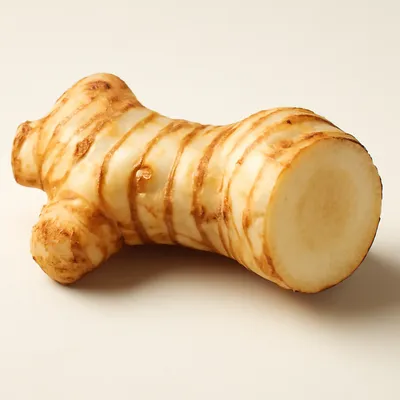
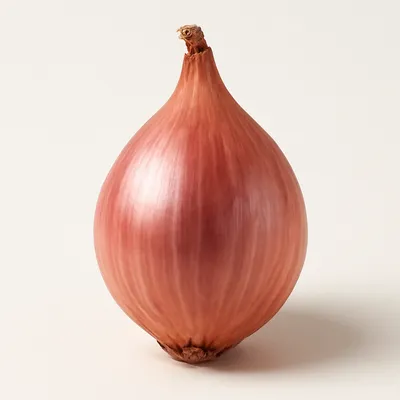
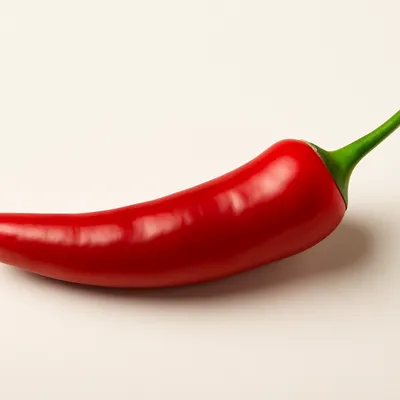
Make kreoung paste: in a mortar (or food processor), pound 4 sliced lemongrass stalks (white part) + 2 inches galangal (sliced) + 2 inches turmeric (fresh, sliced — or 2 tsp powder) + 8 garlic cloves + 4 shallots + 2 bird's-eye chilies + 1 tsp salt + 4 lime leaves until a coarse paste forms.
- 25 min
Cut 1.2kg beef shank (or chuck) into 4cm cubes. Season with 1 tbsp salt + 1 tsp pepper. Set aside.
- 37 min
In a heavy Dutch oven, heat 4 tbsp vegetable oil. Add the kreoung paste; fry 5 min until oil separates and paste deepens in color.
Watch outThe paste is ready when a slick of clear oil rises to the surface and it smells intensely aromatic.
- 411 min
Add 2 tbsp Indian curry powder (Halal preferred) + 1 tbsp ground cumin + 1 tbsp ground coriander + 1 tsp cinnamon + 1 tsp ground cardamom; cook 2 min. Add the beef cubes; sear 8 min, stirring to coat in the paste.
Watch outSear the beef right in the paste so every cube gets coated before the liquid goes in.
- 5115 min
Pour in 1 can (400ml) coconut milk + 500ml water + 1 tbsp fish sauce + 1 tbsp palm sugar + 2 bay leaves. Bring to simmer; cover and braise on low 1.5 hours until beef is fork-tender. In the last 20 min, add 3 cubed potatoes and 2 chunked carrots. Adjust salt; serve with steamed jasmine rice or coconut rice and pickled vegetables.
Watch outThe braise is done when the shank yields to a fork and the coconut sauce has thickened.
Archive tool suggestions — not reviewed
These legacy suggestions have not been evidence-reviewed and are not presented as required tools.