
Singapore-style Malay coconut rice — fragrant pandan-and-coconut-milk rice served with fried chicken wing, ikan bilis (deep-fried anchovies), roasted peanuts, fried egg, cucumber slices, and a generous spoon of sambal. Wrapped in banana leaf at hawker centres; eaten unwrapped at the breakfast table. Singapore's most-popular Malay dish.






Nasi Lemak ('rich rice' in Malay) is the canonical Malay breakfast across Singapore, Malaysia, and Brunei. The Singapore Malay community at Geylang Serai is the historical center; modern Singapore Malay hawker stalls (Selera Rasa, Mizzy Corner, Punggol Nasi Lemak) all maintain their canonical versions. The defining feature is the RICE — coconut milk + pandan + ginger create deeply-fragrant grains that taste finished even without accompaniments. Singapore's nasi lemak differs from Malaysian by: (1) less heavy use of palm sugar in sambal, (2) more emphasis on fried chicken wing as protein, (3) frequently served with coconut-rice-only at Indian-Malay rojak stalls. The dish is eaten as breakfast, brunch, lunch, or supper — there's no wrong time.
Nasi Lemak is the most-loved Singapore breakfast plate. The first bite: coconut-rich rice that's fluffy, slightly sticky, with deep pandan-ginger-coconut perfume. Then break the runny egg yolk into the rice — it adds buttery richness. A piece of fried chicken wing: crispy skin + tender meat + bright turmeric-soy marinade. A spoonful of sambal: chili heat + tamarind tang + caramelized onion + dried shrimp umami. A few crispy ikan bilis: salt-and-sea concentration. Fried peanuts: crunchy + slightly sweet. A slice of cool cucumber resets the palate. The combination of textures and flavors per bite is unreal — sweet, salty, spicy, crunchy, soft, rich, fresh all in one mouthful. A Singapore breakfast institution.
Two technical pillars: (1) Coconut rice — replacing water with coconut milk + adding pandan/ginger creates fat-coated grains with concentrated flavor. The 10-min covered rest after cooking is essential for fluffy non-mushy texture. (2) Sambal is the heart — the long sauté of the chili-aromatic paste (15-18 min) caramelizes the shallots + garlic + chili to deep red-brown, integrating with shrimp paste umami and tamarind acid. Each component (chicken, ikan bilis, peanuts, egg, cucumber, sambal) is prepared separately and assembled — the multi-component plate is the Malay nasi format. Banana-leaf wrap for take-away preserves heat AND infuses subtle banana-leaf aroma.
Variations
Singapore canonical (coconut rice, chicken wing, sambal, ikan bilis, peanut, egg, cucumber); Malaysian KL-style version uses MORE palm sugar in sambal; Penang-style uses curry chicken instead of wing; Nasi Lemak with fish (mackerel or anchovy) is a coastal variant; vegetarian version skips ikan bilis + chicken; modern restaurant versions sometimes add fried chicken thigh or pork rib instead of wing; the dish is impossible to make 'lite' — it's intentionally rich.
On the Palate
Where Nasi Lemak Singapura sits in the Singaporean flavor cloud
The coconut rice is the dish — cook the grains in thick coconut milk with pandan and ginger, then rest them covered 10 minutes so they steam fluffy and taste finished on their own.
Ingredients
Serves 4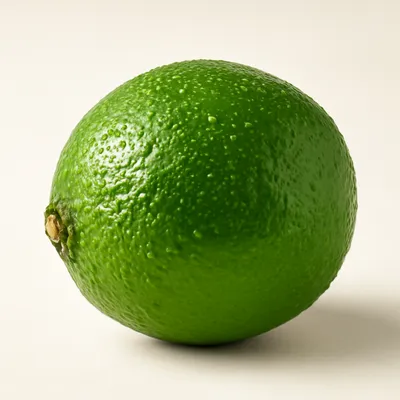








How it's made
8 steps · 50 min active + 40 min waiting
- 130 min
Make coconut rice: rinse 400g long-grain rice (jasmine preferred) until water runs clear. Drain. In a rice cooker (or pot) combine the rice + 400ml thick coconut milk + 200ml water + 4 pandan leaves (knotted) + 4cm ginger (smashed) + 1 tsp salt. Cook 18 min on rice-cooker setting (or covered low heat). Rest covered 10 min. Fluff with fork.
Watch outRinse the rice until the water runs clear, then rest it covered after cooking — clear rinse plus the rest is what keeps the grains separate.
- 228 min
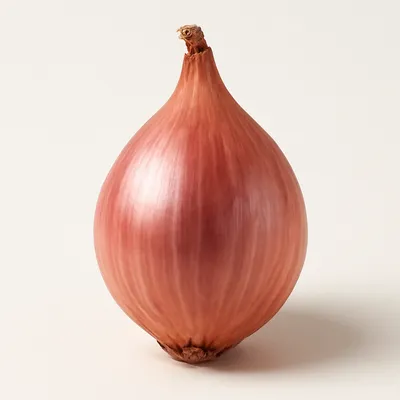
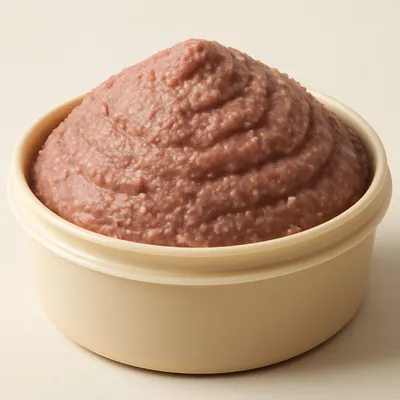
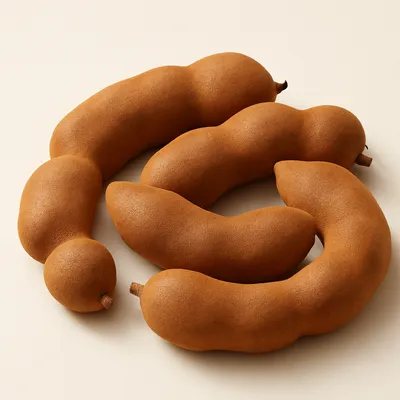
Make sambal: in a blender pulse 20 dried red chilies (soaked 20 min, drained) + 8 shallots + 8 garlic cloves + 4 fresh red chilies + 2 tbsp dried shrimp (soaked, drained) + 1 tbsp shrimp paste (belacan, toasted) into a coarse paste. Heat 100ml oil in a wok; add the paste; cook 15-18 min, stirring constantly, until oil separates. Add 2 large onions (sliced) + 100ml tamarind water (1 tbsp tamarind in 100ml hot water) + 2 tbsp palm sugar + 1 tsp salt. Simmer 8 min. Reserve.
Watch outKeep stirring the sambal paste until you see oil pooling at the edges and the color turns deep red-brown — that's the doneness signal.
- 34 min
Fry ikan bilis: rinse 100g dried anchovies (small ones, ikan bilis). Pat dry on paper towels. Heat 5cm oil to 175°C. Fry the anchovies 2-3 min until crispy and golden. Drain on paper. They should be SHATTERINGLY crispy.
- 44 min
Fry peanuts: in the same oil, fry 80g raw peanuts (skin-on) 2-3 min until golden. Drain. Sprinkle with a pinch of salt.
- 539 min
Fry chicken wings: in a marinade bowl combine 8 chicken wings + 2 tbsp turmeric + 1 tsp salt + 4 garlic cloves (minced) + 4cm ginger (minced) + 2 tbsp soy sauce + 1 tsp white pepper. Marinate 30 min. Deep-fry at 175°C for 8 min total, turning, until golden and cooked through.
Watch outFry the marinated wings at a steady 175℃, turning, until deep gold and cooked to the bone.
- 63 min
Fry eggs: heat 2 tbsp oil in a skillet; fry 4 eggs sunny-side up — yolks should be runny.
- 74 min
Assemble each plate: scoop coconut rice in the center. Around the rice arrange: 2 chicken wings + 1 fried egg + 1 generous spoon of sambal + 1 tbsp fried ikan bilis + 1 tbsp fried peanuts + 4 slices cucumber + 1 lime wedge.
- 81 min
For traditional presentation: place on a banana leaf with these elements + close like a parcel for take-away. For dine-in: serve open on a plate.
Archive tool suggestions — not reviewed
These legacy suggestions have not been evidence-reviewed and are not presented as required tools.

A heavy, single-piece cast iron pan, 25-30 cm across, weighing 1.5-2.5 kg. Once preheated, the thick mass holds 230°C+ even when a cold steak hits the surface — that's the secret to a deep crust. A well-seasoned skillet (multiple thin layers of polymerized oil baked into the iron) is essentially nonstick, gets better with use, and lasts a century. Lodge skillets from Tennessee have been in continuous production since 1896.

An electric pot with a thermostat that switches off the moment internal temperature exceeds 100°C — meaning the moment all free water has boiled off. Add rinsed rice and water (1:1.2 by volume for short-grain), press start; 25 minutes later it sits in warming mode and stays at 65°C all day. The fuzzy-logic Japanese versions (Zojirushi, Tiger) cook brown rice, sushi rice, and porridge with separate algorithms for each.


