
Peranakan chicken with black nuts — chicken pieces simmered in a rich tamarind-spice gravy studded with 'buah keluak' (the fermented Pangium edule nut, the same nut used in Indonesian rawon). The black nut paste is hand-scooped from each shell, mixed with rempah spice paste, and stuffed back into the empty shells which are also added to the stew. The most labor-intensive Nyonya dish — a true heritage recipe.



Ayam Buah Keluak is the most-revered dish in Peranakan-Nyonya cuisine — the dish that defines 'true heritage cooking' for Straits Chinese families in Singapore and Malacca. Buah keluak (Pangium edule) is toxic raw and requires 40+ days of underground fermentation to become edible. The hand-labor of cracking each nut, scooping out the paste, mixing with rempah, and stuffing back is the labor signature — modern restaurants charge premium prices because the dish requires 6+ hours of preparation. Candlenut Restaurant (Michelin-starred) and Violet Oon's restaurants in Singapore make canonical versions. Family Nyonya cooks pass the recipe mother-to-daughter; commercial buah keluak nut paste is now available but considered inferior.
Ayam Buah Keluak is the most-distinctive flavor in Peranakan cuisine. The sauce is jet-black, glossy, oil-rich. First spoonful: deep earthy-mushroom-truffle umami from the fermented keluak, tamarind acid sharpening it, sweet caramelized rempah balancing, chili heat building behind. Take a piece of tender chicken — it's been simmered for 90 minutes and falls off the bone. Now scoop out a keluak paste from a shell with a small fork — concentrated black pasted earthiness. The total flavor is unlike any other Asian dish — fermented, deeply savory, almost cocoa-like with hints of black-bean-paste. Pair with steamed rice to balance the intensity. Two-hour labor, six-hour fermentation, one unforgettable plate.
Buah keluak fermentation is the entire technical foundation. Raw Pangium edule contains hydrogen cyanide and is toxic. 40-day underground fermentation hydrolyzes glycosides + converts toxic compounds + develops umami via amino acid breakdown + Maillard browning. The result is a paste high in glutamates that produces flavors reminiscent of black truffle + aged miso + black-bean paste simultaneously. The 90-min simmer of chicken in keluak + coconut milk concentrates the flavor; the tamarind cuts through the richness with citric acid. The rempah spice paste must be cooked long enough (12-15 min) to mellow the raw chili and integrate.
Variations
Peranakan canonical (with whole stuffed buah keluak shells); modern restaurant version uses pre-extracted keluak paste (less theatrical); Candlenut version is Michelin-refined; Violet Oon version is family-style; pork ayam buah keluak (babi buah keluak) variation exists; ANY substitute for buah keluak doesn't work — the flavor is truly unique; Indonesian rawon uses the same nut but in a soup form (very different dish).
On the Palate
Where Ayam Buah Keluak sits in the Singaporean flavor cloud
Ingredients
Serves 4



How it's made
12 steps · 1 hour 30 min active + 4 hours 30 min waiting
- 1240 min
Soak 12-15 buah keluak nuts (frozen or canned, available at Asian groceries) in cold water overnight; scrub the surface clean.
- 235 min
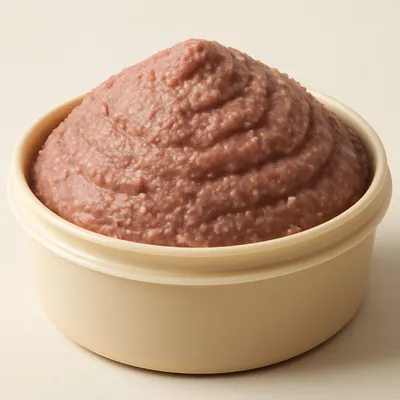
Crack one nut with a hammer (carefully — they're hard). Scoop the dark paste from inside with a small spoon into a bowl; reserve the empty shell. Repeat for all nuts. Combine the paste with 2 tbsp tamarind paste, 1 tsp salt, 1 tsp sugar, 1 tbsp coconut oil; mix smooth.
Watch outThe buah keluak paste should scoop out soft and coal-black with a deep fermented-earthy smell — grey or bitter-sharp means that nut is off; toss it.
- 35 min
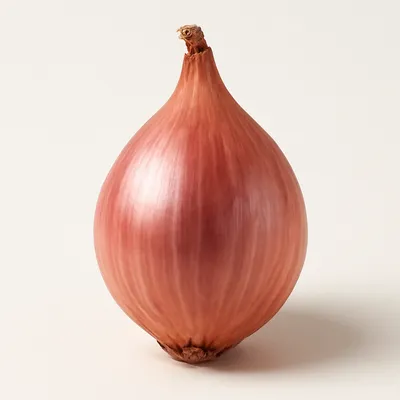
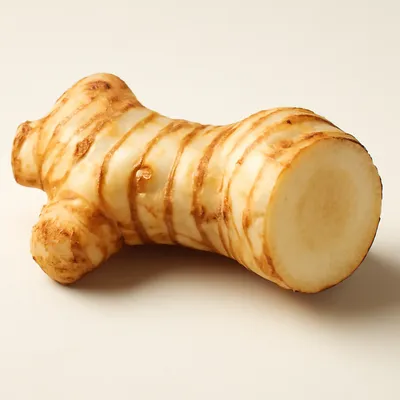
Make rempah: in a blender combine 12 dried red chilies (soaked, drained) + 8 shallots + 6 garlic + 4cm fresh turmeric + 4cm galangal + 2 stalks lemongrass (tender white) + 6 candlenuts + 1 tbsp toasted shrimp paste (belacan). Blend with 3 tbsp water to thick paste.
- 48 min
Stuff the empty shells: scoop a portion of the keluak-paste mixture back into each empty shell; press to seal. Set aside.
- 53 min
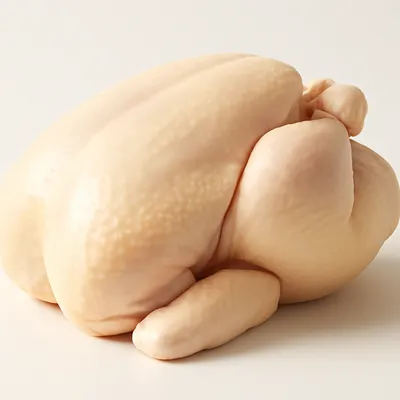
Cut 1.2kg whole chicken into 8 pieces.
- 614 min
In a heavy Dutch oven heat 100ml neutral oil. Cook the rempah 12-15 min until oil separates and rempah is deep red-brown.
Watch outFry the rempah low and patient for 12–15 minutes until the oil splits out at the edges and the paste darkens to red-brown — undercook it and the curry tastes raw and harsh.
- 79 min
Add the chicken pieces; brown 8 min, turning to coat in rempah.
- 83 min
Add 400ml coconut milk + 600ml water + 4 tbsp tamarind paste + 2 tbsp sugar + 1 tsp salt + 4 kaffir lime leaves + 2 stalks lemongrass.
- 92 min
Carefully arrange the stuffed buah keluak shells in the pot.
- 1095 min
Simmer covered 90 min over low heat. The chicken should be very tender; the sauce should be thick and deep mahogany-black from the keluak.
Watch outAfter the 90-minute simmer the sauce should be thick and near-black and the chicken slips off the bone — thin or pale means it needs more time uncovered.
- 112 min
Taste; adjust seasoning — should be earthy-savory with notes of fermentation, tamarind tang, and chili warmth.
- 126 min
Serve: ladle into a deep bowl. Each diner scoops their own keluak paste from the shells with a small fork (or rip open the shells gently). Serve with steamed white rice and pickled vegetables. Pair with sambal belacan.
Archive tool suggestions — not reviewed
These legacy suggestions have not been evidence-reviewed and are not presented as required tools.



