
Singapore curry made with a whole snapper or red grouper head, simmered in a spicy tamarind-and-coconut-milk gravy with okra, eggplant, tomato, and curry leaves. A pure Singapore invention — created in 1949 by Marian Jacob Gomez, a Malayali (Keralite) immigrant, who combined South-Indian fish curry techniques with the fish head that local Chinese loved but Indians traditionally don't eat. Served family-style with rice; eating the fish head with hands is part of the experience.





Fish Head Curry is a Singapore invention — created in 1949 by Marian Jacob Gomez, a Malayali (Keralite) immigrant from Trivandrum, Kerala, who had come to Singapore in the 1930s and opened a restaurant, Gomez Curry, on Sophia Road (it later moved to nearby Selegie Road). Although Malayalis traditionally don't eat fish heads, Gomez saw that local Chinese prized them, so he adapted his Kerala fish-curry recipe to snapper or grouper heads — making it sweeter and milder to suit Chinese tastes. The dish became Singapore's most-Indian dish — eaten by Chinese, Malay, and Indian Singaporeans alike, found at hawker centres and high-end restaurants. Gomez died in 1974, never knowing his dish would become ubiquitous. Muthu's Curry (in Little India since 1969) is the most-famous purveyor today. The dish epitomizes Singapore's cultural fusion — South Indian technique, the fish head Chinese love, served family-style on banana leaf to all communities.
Fish Head Curry is the dish that defines Singapore's cultural fusion. Bring the platter to the table — the entire fish head is the centerpiece, peeking out of glossy red-orange curry. The first taste: spicy, sour from tamarind, sweet from coconut milk, with fenugreek and curry leaves providing the South Indian aromatic backbone. Pick at the fish — the cheek meat is the most-prized cut, soft and silky. The eye-jelly is for the adventurous (Singaporean elders consider it the best part). Soak rice in the curry. Bite a piece of softened okra. The gelatin from the fish head has enriched the curry to almost-bisque consistency. A dish that takes 1 hour to make and 2 hours to eat slowly with friends and beer.
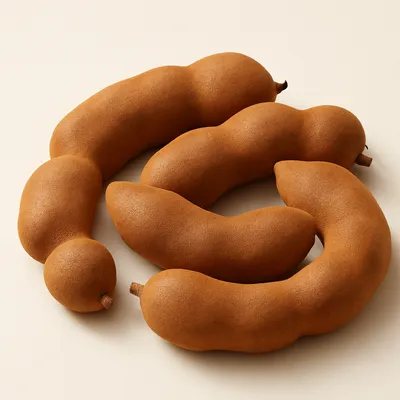
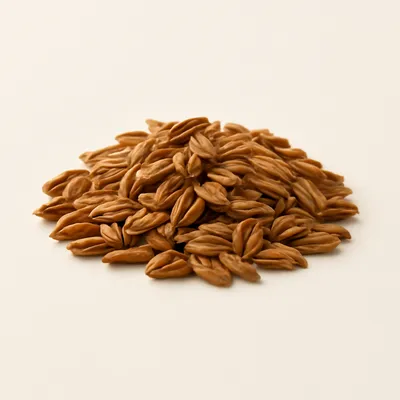
Three technical principles: (1) The fish head contains gelatinous cartilage + collagen that breaks down during the 30-min simmer, enriching the curry sauce to a velvety body — using just fish fillets gives a thinner, less complex curry. (2) The tamarind + coconut milk pairing is a South Indian classic — tamarind's citric/tartaric acids cut through coconut's richness, with sugar bringing the three into balance. (3) The spice tempering at the start (mustard seeds + fenugreek + curry leaves bloomed in coconut oil) provides the South-Indian aromatic foundation; without this step, the curry tastes 'flat.'
Variations
Singapore Muthu's-style canonical (with whole fish head, okra, eggplant, tomato); Curry House version is fishhead-focused without vegetables; modern restaurant versions use grouper or sea bass; vegetarian impossibility (the fish head IS the dish); Chinese-Singaporean versions sometimes use 5-spice instead of curry powder (controversial); the dish is rarely served at home — it's a restaurant experience.
On the Palate
Where Fish Head Curry sits in the Singaporean flavor cloud
Ingredients
Serves 4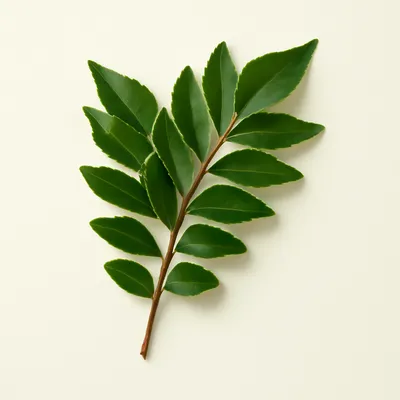




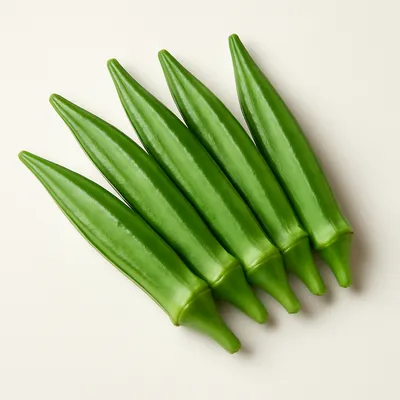
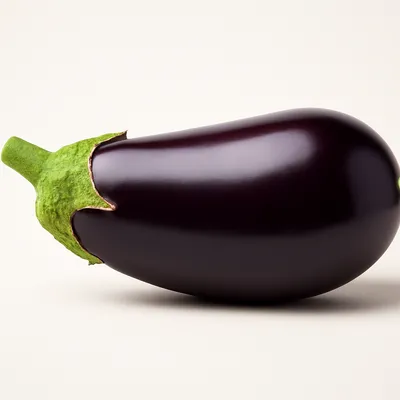


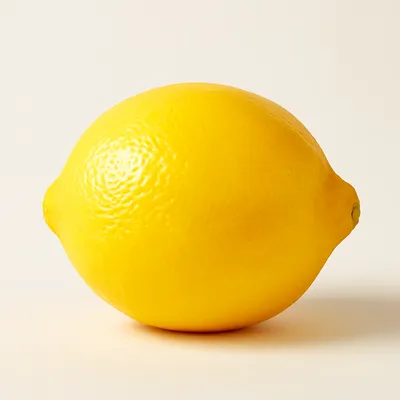


How it's made
12 steps · 50 min active + 25 min waiting
- 15 min
Get one whole red snapper or grouper head (1.5-2kg) from a fishmonger; ask them to clean it and split it down the middle. Rinse thoroughly.
- 222 min
Marinate the fish head: rub with 1 tsp turmeric + 1 tsp salt + juice of 1 lemon; let stand 20 min.
- 35 min
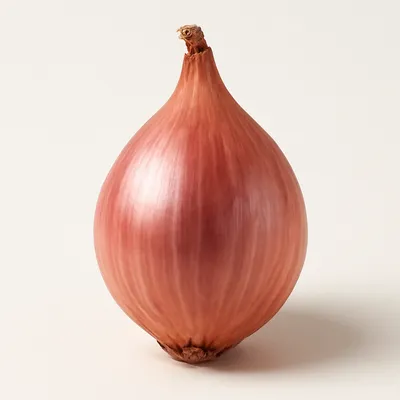
Make spice paste: in a blender combine 6 dried red chilies (soaked, drained) + 6 shallots + 4 garlic + 3cm ginger + 3cm fresh turmeric. Add 3 tbsp water; blend smooth.
- 41 min
Heat 4 tbsp coconut oil in a wide heavy pot or kadai over medium-high. Add 1 tsp mustard seeds + 1 tsp fenugreek seeds + 1 sprig curry leaves; let crackle 30 sec.
Watch outDrop the mustard and fenugreek seeds into the hot oil and wait for them to crackle and pop, about 30 seconds — that sizzle is the aroma releasing; still seeds mean the oil's not hot enough.
- 57 min
Add 2 sliced onions; sauté 6 min until golden.
- 69 min
Add the spice paste; cook 8 min until oil separates and paste deepens in color.
Watch outCook the spice paste until you see oil bead out at the edges and the color deepens, about 8 minutes — that's the sign it's cooked through, not raw and harsh.
- 72 min
Add 2 tbsp Madras curry powder + 1 tsp ground coriander + 1 tsp ground cumin + 1 tsp paprika + 1 tsp salt; stir 1 min.
- 82 min
Add 400ml coconut milk + 400ml water + 4 tbsp tamarind paste + 1 tbsp sugar.
- 922 min
Add the fish head; spoon sauce over. Reduce heat; simmer covered 20 min, basting occasionally.
- 1012 min
Add 200g okra (whole, stems trimmed) + 1 eggplant (cut into wedges) + 4 plum tomatoes (quartered) + 1 fresh green chili (split). Simmer 10 min more until vegetables are tender and fish is just cooked (eyes turn opaque, flesh flakes from cheek).
Watch outThe fish head is ready when the eye turns milky-opaque and the cheek meat flakes off — check there, not the thick crown, so you don't overcook it.
- 112 min
Adjust seasoning — should be spicy, sour, slightly sweet, with coconut richness. Add more tamarind if needed.
- 125 min
Serve in a wide bowl or banana-leaf-lined platter. The fish head is the centerpiece. Provide steamed white rice or banana-leaf rice (with mixed vegetables and pappadum), and small bowls of sambal + raita. Pick the cheek meat, eye jelly, and tongue with hands — these are the prized parts.


