

Peranakan Singaporean
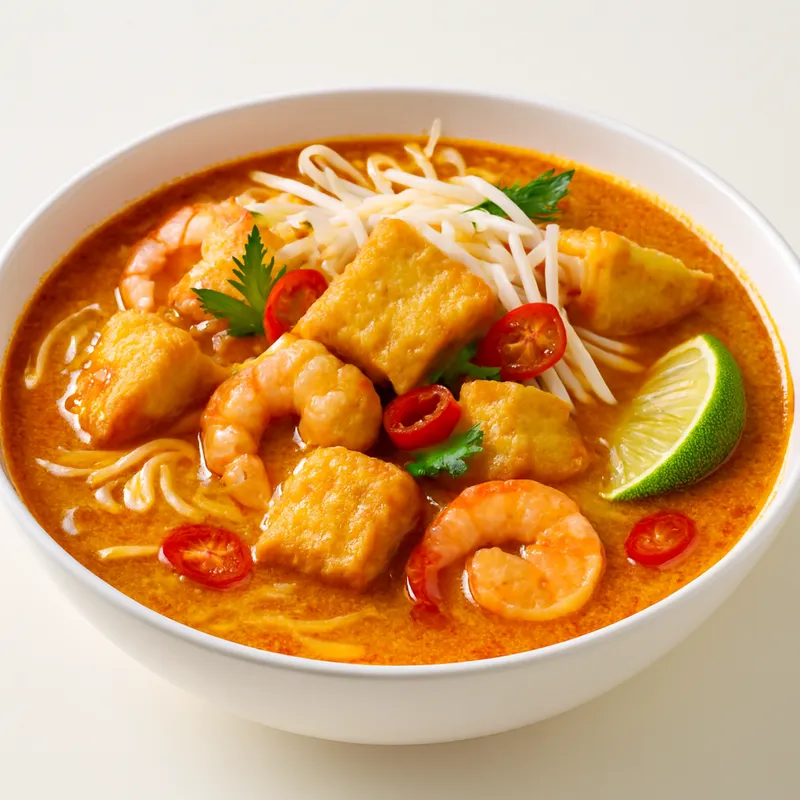
Curry laksa: coconut-spice noodles.
Laksa
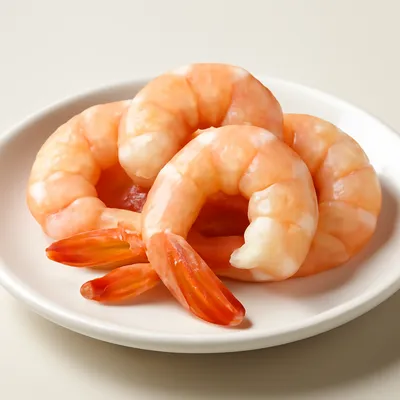
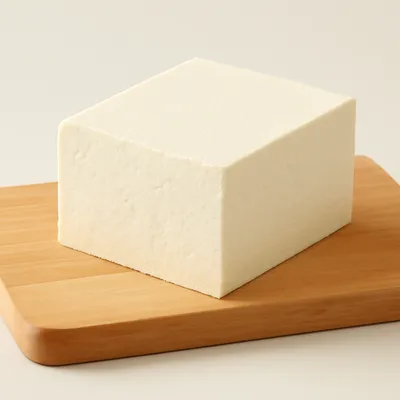
Spicy coconut curry noodle soup popular in Malaysia and Singapore, rich with shrimp, tofu puffs, and bean sprouts
View page →Peranakan cuisine emerged from Chinese immigrants who married local Malay women in Singapore's Straits Settlements, blending Chinese ingredients with Malay techniques into one of Southeast Asia's most distinctive food cultures. At 328 Katong Laksa, the Nyonya-style coconut-curry noodle soup is being served in deep bowls with cut noodles (eaten with a spoon only). At a Joo Chiat shophouse, Ondeh Ondeh — pandan-coconut rice balls with melted gula melaka filling — are being rolled in fresh grated coconut. Peranakan cooking is technique-heavy: rempah spice pastes ground from 15+ ingredients, slow-cooked into curries; coconut milk added in two stages (thick and thin); pandan extracted from fresh leaves for kueh sweets. The Peranakan kitchen is where Chinese knife skills meet Malay flavor logic — the most refined fusion cuisine in Southeast Asia.
The Palate
Start Here
Singapore Katong-style laksa — thick rice noodles in a coconut-curry broth with shrimp, fish cakes, and the unmistakable laksa-leaf aroma.
Why start here · Laksa is the Peranakan signature dish — once you taste the rempah (spice paste), you understand why Nyonya cooking is so technically refined.
Peranakan pandan-coconut rice balls — soft glutinous-rice spheres filled with melted gula melaka that bursts in the mouth, rolled in fresh grated coconut.
Why start here · Ondeh Ondeh is the Peranakan kueh ideal — pandan, coconut, gula melaka — the three pillars of Nyonya sweets in one bite.
The Pantry



See all 72 ingredients›






Herbs & Spices




Grains & Staples






Dairy & Fats


How They Cook
Techniques that define this cuisine
See 8 more techniques›
Kindred Kitchens
Cuisines built on the same signature ingredients
Other regions
Siblings within Singaporean — each its own tradition.