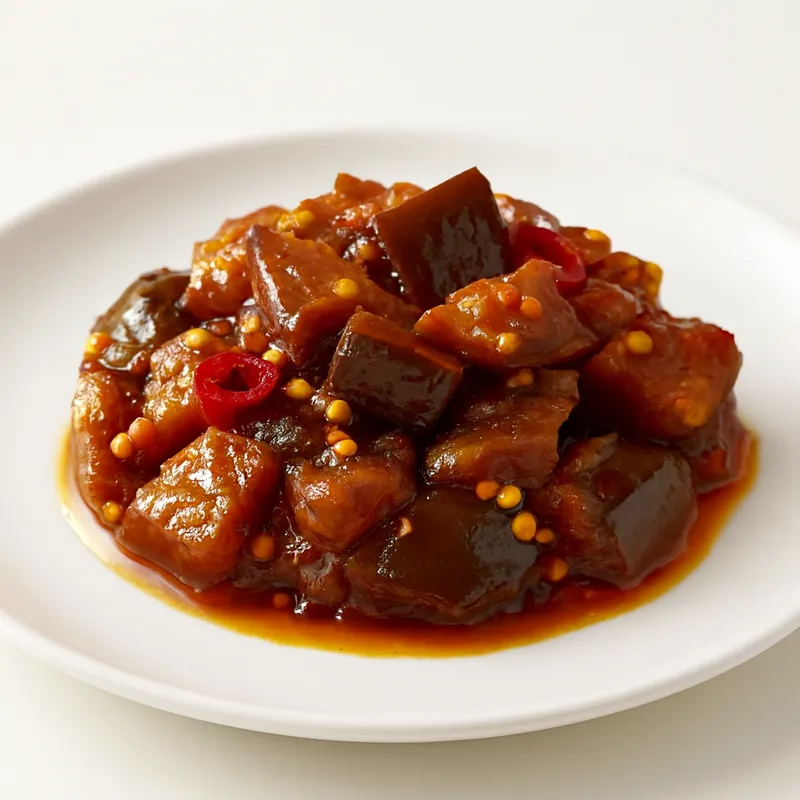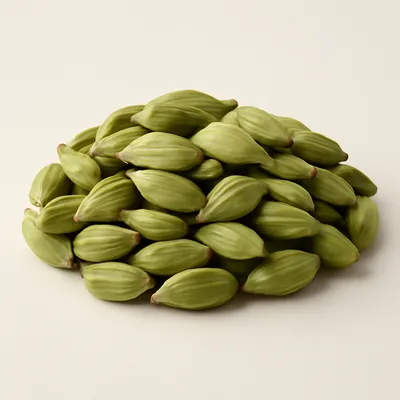


A Sri Lankan dessert of Malay origin — brought to the island by Indonesian and Malaysian people resettled by the Dutch in the 17th and 18th centuries, who adapted their own coconut-and-palm-sugar puddings to local kithul jaggery. By the 19th century, wattalapam had become the standard sweet at Muslim and Burgher feasts on the island, especially Eid and weddings.
Coconut-jaggery custard the Sri Lankan Malays brought from the Indonesian archipelago after Dutch resettlement. Kithul jaggery — sap of the fishtail palm, boiled to a smoky-mineral sugar — is non-negotiable; brown sugar makes a different dessert. Steamed, never baked: dry oven goes grainy.
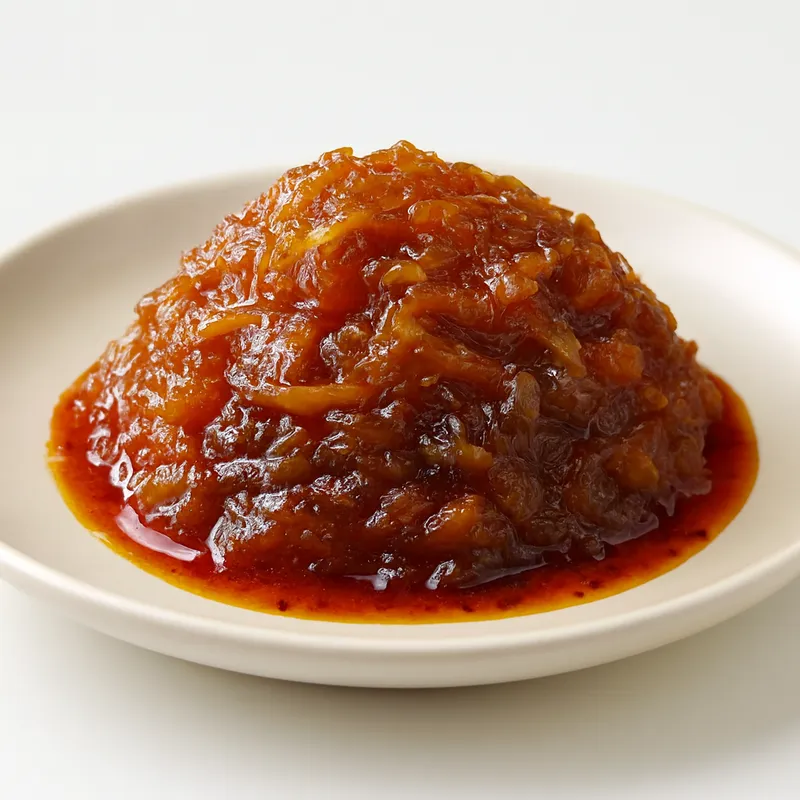
A dense, dark-brown coconut custard, set just firm enough to hold a spoon-shape. Sweet from kithul jaggery — the palm sugar tastes more like burnt-caramel-and-treacle than table sugar — with cardamom, clove, and nutmeg coming through on the finish. Cashew slivers on top. Served cold or room temperature. Smooth surface, no air pockets; if it's bubbly inside, the steam was too high.
Kithul jaggery is non-negotiable. It comes from the sap of the kithul (fishtail) palm, boiled down to a sticky-dark sugar with a smoky, mineral edge that ordinary palm sugar or brown sugar can't replicate. The custard is steamed, not baked — gentle, low, even heat keeps the eggs from scrambling. Bake it in a dry oven and the texture goes grainy; oven-baked wattalapam is the most common failure mode abroad.
Variations
Burgher Christmas version (heavy on cardamom, clove, nutmeg); Muslim Eid version with extra cashew topping; Malay-style adds a touch of pandan; modern Colombo bakeries pass off oven-baked grainy versions that miss the whole point.
On the Palate
Where Wattalapam sits in the Sri Lankan flavor cloud
Steam the custard over gentle, even heat instead of baking it — the low moist heat sets the eggs into a silky wobble, while a dry oven scrambles them into a grainy mess.
Ingredients

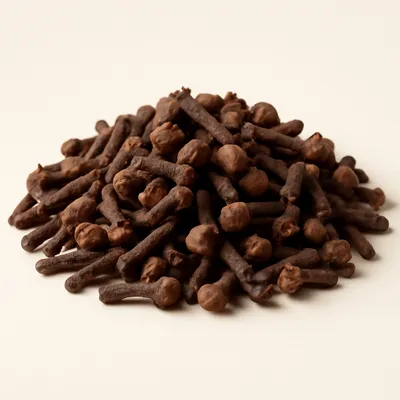
How it's made
4 steps · 10 min
- 15 min
In a large bowl, whisk together the jaggery and coconut milk until the jaggery is fully dissolved and the mixture is smooth and creamy. The aroma should be sweet and rich.
Watch outWhisk until you can't feel any grit and the aroma turns deep and sweet — that's the jaggery fully dissolved.
- 23 min
Crack the eggs into the mixture and whisk vigorously until fully incorporated. The mixture should be thick and glossy, with no streaks of egg visible.
Watch outIncorporate the eggs thoroughly to prevent any egg streaks in the final custard.
- 32 min
Add the cardamom and nutmeg, stirring gently to infuse the mixture with their warm, spicy aroma. The spices should be evenly distributed throughout.
Watch outEnsure the spices are evenly mixed to avoid clumping and uneven flavor.
- 430 min
Pour the mixture into a heatproof dish and place it in a steamer. Steam over medium heat for about 30 minutes, until the custard is set and a skewer inserted into the center comes out clean.
Watch outAround 30 minutes a skewer in the center comes out clean and the top has a soft, even wobble — pull it before it firms up hard.
Archive tool suggestions — not reviewed
These legacy suggestions have not been evidence-reviewed and are not presented as required tools.