
Bun ca is a Hanoi and northern-coast (Hai Phong, Nam Dinh) breakfast and lunch dish. The dill-forward profile is what distinguishes it from southern bun ca — northern Vietnamese cooking uses dill (thi la) heavily in a way the south does not, and the dill-with-fish pairing is closely linked to the more famous cha ca La Vong (turmeric-fish with dill, also Hanoi). The snakehead is a freshwater fish from the Red River delta. Cha ca La Vong's nineteenth-century invention plausibly preceded bun ca's tomato-broth standardization, but the family resemblance is direct.
Hanoi and Hai Phong/Nam Dinh coastal breakfast dish — the dill (thi la) is the marker, a colonial-pantry relic. Family-resemblance close to cha ca La Vong (turmeric-fish with dill) from 19th-century Hanoi. Turmeric-salt cure tints the snakehead marigold and prevents it shredding in re-simmer.
Coral-orange broth, sharp and clean — tomato gives it bright acid, dill gives it the marker aroma. The dill is the tell: a southern bun ca relies on more citrusy herbs (rau ram, rice paddy herb), but a northern bowl reaches for dill almost European-style, possibly a relic of the colonial pantry. Fish pieces are firm and intact (the turmeric-salt rest is what does that), broth thinner than pho — meant to be drunk down. A clear, bright, river-water flavour.
The turmeric-salt cure has two jobs: it tints the fish flesh marigold-yellow (the visual signature) and, more importantly, salt-dehydrates the surface enough that the fish doesn't fall apart when fried then re-simmered. Without the cure, the pieces poach into mush by the time the bowl reaches the table. Tomato is added to the stock late, not boiled long — extended cooking pushes tomato into stew territory and dulls the bright-acid line that holds against the dill.
Variations
Hai Phong style adds a dab of shrimp paste to the broth; Nam Dinh runs it with crispy shallots heavier and the fish lightly fried; Hanoi's bun ca chau Sen on Le Van Huu is the most-cited modern reference shop.
On the Palate
Where Bun Ca sits in the Vietnamese flavor cloud
Ingredients
Serves 4





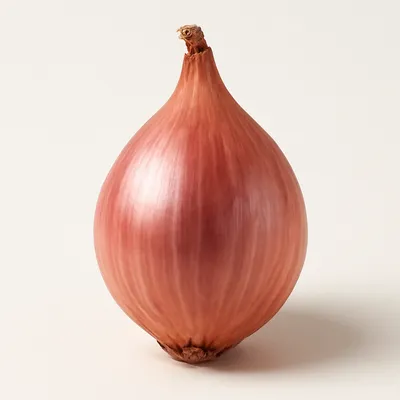



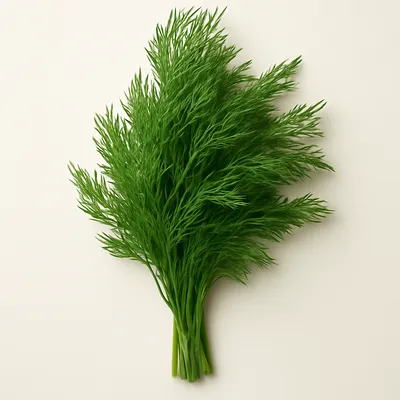

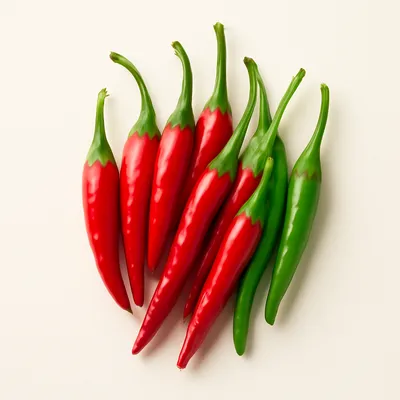
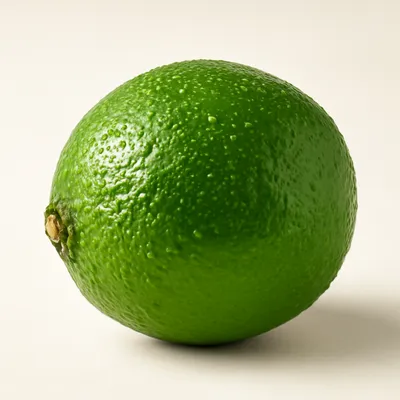
How it's made
5 steps · 40 min active + 10 min waiting
- 110 min
Fillet 800g whole snakehead (or carp). Reserve head, bones, tail. Cut fillets into 4cm pieces. Pat dry, dust with turmeric and a pinch of salt; rest 10 minutes — turmeric tints the flesh and helps it stay intact during frying.
Watch outGive the turmeric-salt rub a full ten minutes to set — you want the surface tacky and drier to the touch, which is what keeps the pieces whole through frying and simmering.
- 225 min
Make stock: simmer fish heads/bones with 2 litres water, 1 yellow onion halved, 1 thumb ginger crushed, 5 minutes — then skim aggressively. Cook 15 minutes more. Strain. Season with 2 tbsp fish sauce, 1 tsp sugar.
Watch outEnsure to skim the stock well to avoid bitterness from impurities.
- 34 min
In a wide pan, heat 3 tbsp oil. Pan-fry the fish pieces 90 seconds per side until just golden — they finish in the broth. Set aside on a rack.
Watch outFry just to a pale gold crust, about a minute and a half a side — they finish cooking in the broth, so pull them while the centre is still barely done or they'll dry out.
- 410 min
In the same pan, sauté 4 minced shallots and 4 garlic cloves until fragrant. Add 4 ripe tomatoes cut in wedges; cook 5 minutes until they slump. Tip into the strained fish stock. Simmer 5 minutes — broth turns coral-orange.
Watch outAdd the tomato wedges late and cook only until they slump and the broth turns coral-orange — boil them long and the soup slides into stew and loses its bright edge.
- 55 min
Soak 400g rice vermicelli, boil 90 seconds, drain. Build bowls: noodles, fried fish pieces, ladle hot tomato broth over. Top with a fistful of chopped dill (about 4 tbsp per bowl), sliced scallion green, and a few rings of fresh chile. Lime wedge on the side.


