
Hue-style ground pork paste pounded smooth with garlic, shallot, and pork fat, moulded around split lemongrass stalks and charcoal-grilled; eaten wrapped in rice paper with herbs and nuoc leo, a thick peanut-and-pork-liver sauce.
Nem lui is from Hue, the former imperial capital in central Vietnam, and belongs to the local 「banh khoai-nem lui」 grill-and-wrap tradition served at street stalls along the Perfume River. The dish reflects Hue's court-cuisine inheritance — small portions, multiple textures on one plate, multiple dipping sauces — translated into a populist grilled form. Served seven-component style: skewer, rice paper, leaves, herbs, fruit, peanut sauce, chile.
Hue street grill from the Perfume River stalls. Cold-pound the pork (under 12°C) so myosin cross-links — that's the springy snap. The lemongrass stalk skewers the meat AND perfumes it from the inside as it heats.
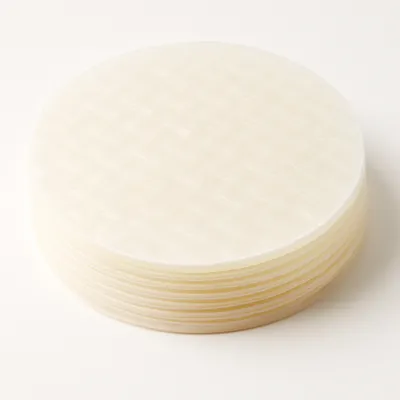
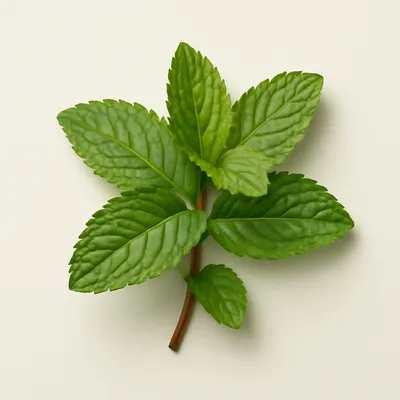
Pull a stalk from the platter — the pork sausage is mahogany-charred outside, pale and bouncy inside, and the lemongrass core has steamed the meat from the centre with citrus oil. Slide the meat off the stalk into a square of rice paper, tuck in mint and a green-banana slice, dunk into the warm nuoc leo (a peanut, pork-liver and fermented-soybean sauce). The dip is sweet-thick rather than fish-sauce sharp — Hue restraint. The lemongrass is for fragrance, not eating.
Two mechanisms matter. First, the baking powder and the cold pounding (not blending) raise pH and shear the meat without warming it — this gives the springy, almost sausage-like bite that distinguishes nem lui from a plain skewer of grilled pork. Second, the lemongrass stalk acts as both skewer and aromatic — as the stalk heats, lemongrass oil migrates outward into the meat from the inside, while the surface chars from outside. Without the bruise-and-split step, the oil stays locked in the fibres.
Variations
Hue version is bouncy and skewered onto whole lemongrass; Da Nang cooks pat the same paste into flat patties; Saigon diaspora restaurants in Little Saigon (Westminster, CA) often skip the lemongrass skewer and use bamboo, losing the inside-out perfume.
On the Palate
Where Nem Lui sits in the Vietnamese flavor cloud
Ingredients
Serves 4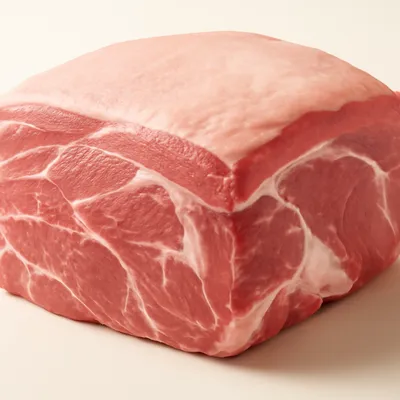







How it's made
5 steps · 40 min active + 30 min waiting
- 115 min
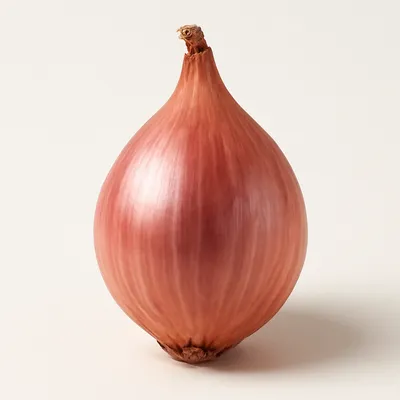
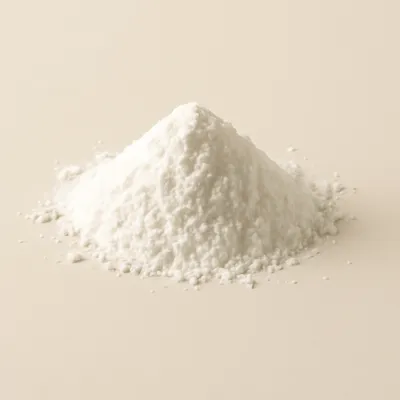
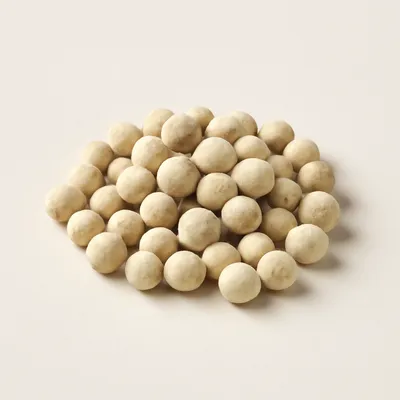
Pound 500g lean pork shoulder and 100g pork back fat in a mortar (or pulse cold in a food processor) with 4 minced garlic cloves, 2 minced shallots, 1 tbsp nuoc mam (fish sauce), 1 tbsp sugar, 1 tsp baking powder, 1 tsp ground white pepper, 1 tbsp toasted rice powder until tacky and pale — the paste should pull off the bowl in a sheet.
Watch outPound until the paste turns pale and tacky and lifts off the bowl in one sheet — that stickiness is what makes the springy sausage bite; a loose crumbly mix won't grip the stalk.
- 230 min
Chill paste 30 minutes — this firms the fat so it grips the stalk. Trim 12 lemongrass stalks to 15cm; bruise the bottom 5cm and split lengthwise to expose the fragrant core.
Watch outBruise and split the bottom of the lemongrass hard enough to expose the wet fragrant core — that's where the aroma migrates into the meat as it grills.
- 310 min
Wet hands. Take 40g paste, flatten in your palm, wrap around the bruised end of a lemongrass stalk into a 7cm sausage. Pinch the seams smooth so it won't split on the grill.
- 410 min
Grill over hot charcoal (or 240°C grill pan) 8-10 minutes total, turning every 2 minutes. The surface should char in patches; juices will hiss as the pork fat renders. Internal 70°C.
Watch outGrill until the surface chars in patches and the fat hisses as it drips — pull at 70 degrees inside; go further and it dries out.
- 58 min
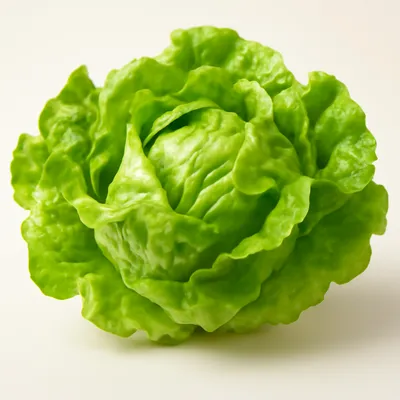
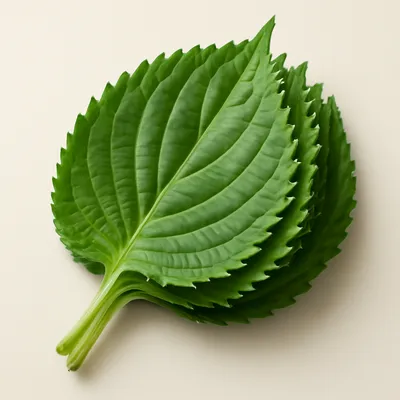
Make the peanut-hoisin sauce: simmer 100g hoisin, 50g smooth peanut butter, 50ml coconut milk, 1 minced garlic clove, 1 tsp chile paste, 100ml pork stock 5 minutes; finish with crushed roast peanuts. Serve skewers with rice paper, lettuce, mint, perilla, cucumber batons, green banana slices, and the dip.
Archive tool suggestions — not reviewed
These legacy suggestions have not been evidence-reviewed and are not presented as required tools.
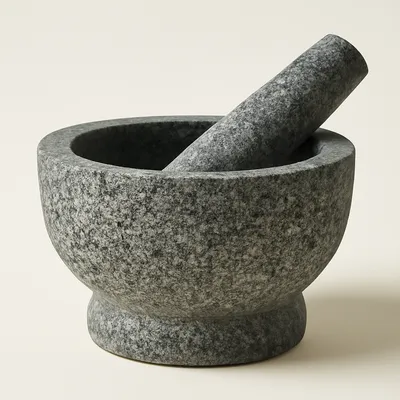
The simplest tool in any kitchen: a heavy bowl and a club to bash things in it. Different cuisines use different stones — Thai cooks pound green papaya in a tall granite mortar (krok hin); pesto Genovese requires the soft-pored Carrara marble; Indian masalas grind down on rough basalt. The bash-don't-cut motion releases volatile oils that a blade keeps sealed in the cell wall.
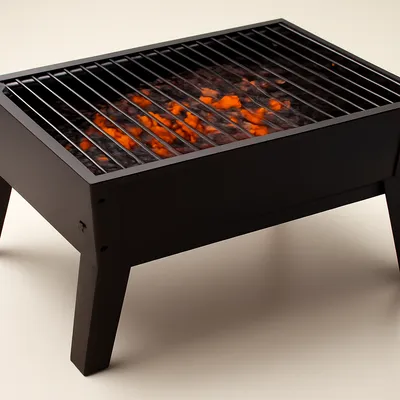
An open or hooded metal frame holding a bed of glowing charcoal embers, with a grate above. Charcoal burns at 700°C+ on the surface and emits short-wave infrared, which cooks proteins faster and with deeper Maillard browning than gas. Hardwood lump charcoal (oak, mesquite, fruitwood) lends its own smoke; cheap briquettes do not. Mastery is mostly heat zoning — direct over coals for searing, indirect off-coals for slow-roasting.


