A Khmer-origin noodle soup from the Soc Trang and Tra Vinh provinces of the lower Mekong Delta, where Vietnamese, Khmer, and Hoa communities live closely. Its broth is built on prahok-style fermented fish (called mam in Vietnamese), strained clear and balanced with lemongrass and galangal. Rice noodles are served with poached shrimp, boiled pork, roasted pork, and a piece of fried fish, over a bed of banana blossom, water spinach, and herbs. It is related to but distinct from bun mam.




Bun nuoc leo is rooted in the Khmer Krom communities of the lower delta — its name derives from a Khmer term for the fermented-fish broth, and Soc Trang is widely regarded as its home. The defining ingredient is prahok, the Cambodian fermented-fish paste, which Vietnamese cooks call mam; the broth is the dish's Khmer signature. As Vietnamese and Hoa cooks adopted it, they added roasted pork (a Hoa touch) and tuned the garnishes, but the prahok base and the practice of straining the broth clear remain its Khmer core. It is documented as a delta regional and Khmer-Vietnamese specialty rather than a dish with a single dated origin.
The broth is deeply savory and pungent with fermented fish, but — unlike the muddy, thick bun mam — it is strained clear and tastes cleaner, with lemongrass and galangal lifting the funk. The four proteins give contrast in a single bowl: snappy shrimp, soft boiled pork, crisp-edged roasted pork, flaky fried fish. Banana blossom and water spinach underneath add raw crunch and bitterness that cut the richness. The smell announces the ferment before the first spoonful, but the soup itself is balanced rather than overpowering.
The broth is the whole craft. The fermented fish is simmered with water and then strained — repeatedly — so the solids drop out and only the clear, intensely savory liquid remains; this straining is exactly what separates bun nuoc leo from the deliberately thick, unstrained bun mam. Lemongrass and galangal are simmered in to perfume the broth and tame the fermented edge. A small amount of fresh coconut water or sugar rounds the salt. The garnish of raw banana blossom and water spinach is not optional — its bitterness and crunch are the structural counterweight to the rich, funky soup.
Variations
The Soc Trang Khmer version is considered the benchmark, with all four proteins and a clear prahok broth. Tra Vinh and Bac Lieu cooks run their own balances — some lean harder on roasted pork, some on fried fish. Crucially, it should not be confused with bun mam: bun mam keeps a thick, opaque, unstrained fermented-fish broth and a heavier, sweeter southern profile, while bun nuoc leo strains its broth clear and stays closer to its Khmer roots.
On the Palate
Where Bun Nuoc Leo sits in the Vietnamese flavor cloud
Ingredients
Serves 4

How it's made
6 steps · 50 min active + 40 min waiting
- 130 min
Simmer fermented fish (mam) in water, then strain repeatedly through a fine sieve until the broth runs clear.
Watch outStrain the fermented-fish broth repeatedly until it runs clear — that clarity is exactly what sets bun nuoc leo apart from the thick, unstrained bun mam.
- 212 min
Add bruised lemongrass and sliced galangal to the clear broth and simmer to perfume it.
- 34 min
Season the broth with a little sugar or coconut water to round the saltiness.
- 420 min
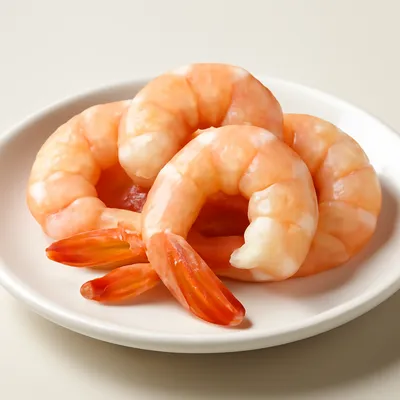
Poach shrimp, boil pork, and slice roasted pork; fry a piece of fish until flaky.
- 58 min
Shred banana blossom and water spinach, and arrange herbs.
- 66 min
Blanch rice noodles into bowls, lay the proteins and raw vegetables on top, and ladle over the hot strained broth.
Watch outPile on raw banana blossom and water spinach at serving — their bitterness and crunch are the structural counterweight to the rich, funky broth, not a garnish.
Archive tool suggestions — not reviewed
These legacy suggestions have not been evidence-reviewed and are not presented as required tools.



