The umbrella Vietnamese vegetarian rice plate served at temples and at vegetarian eateries (quan chay): a bed of steamed rice ringed by an assortment of meat-free dishes — braised tofu, stir-fried seasonal vegetables, mock meats made from wheat gluten or soy, simmered mushrooms, and pickles — with a clear vegetable broth on the side. It is less a fixed recipe than a format, the everyday plate of Buddhist an chay eating, assembled fresh each day from whatever the kitchen has braised and stir-fried. Many Vietnamese eat it on the first and fifteenth of the lunar month; devout Buddhists eat it far more often.
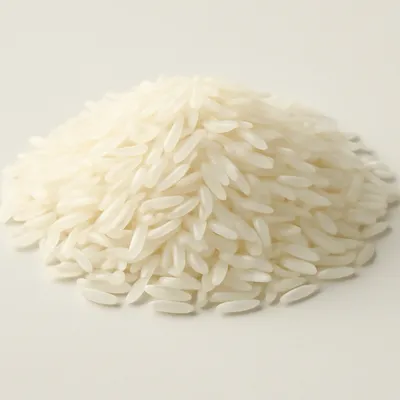

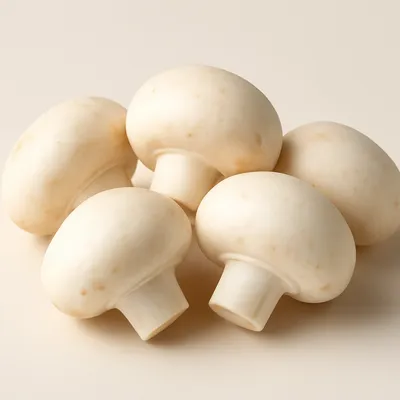

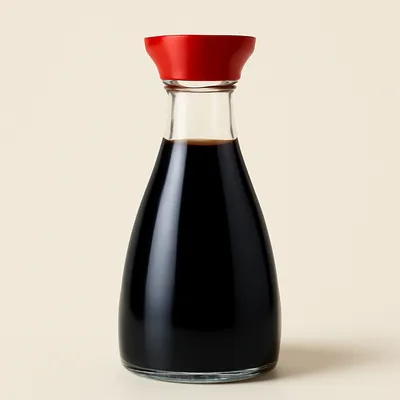

Com chay is rooted in Vietnam's Mahayana Buddhist vegetarian tradition, an chay, in which followers eat meat-free either on fixed lunar days (commonly the first and fifteenth) or permanently. The custom and its temple cooking are well documented; central Vietnam's Hue, the former Nguyen-dynasty capital and a major Buddhist center, is especially associated with an elaborate, refined chay cuisine that historically catered to monks and to a devout court. The plate has no single inventor or date — it is the standing form of vegetarian rice eating that grew up around pagoda kitchens and the vegetarian eateries that cluster near them, and which today appears nationwide wherever Vietnamese eat chay.
A working plate, not a delicate one: warm rice carrying the sauces that pool from the surrounding dishes, a soft braised-tofu corner, a tangle of garlicky greens with bite, a savory chew of mock meat that mimics the fiber of pork or chicken, the slippery give of mushrooms, and a sharp pickled edge to cut the richness. Each forkful is a different combination depending on which pile it crosses. The clear broth between bites resets the palate. The whole reads savory and home-cooked rather than spiced or showy.
The challenge of a satisfying chay plate is supplying the savory weight and chew that meat normally provides, without it. Vietnamese vegetarian kitchens do this three ways: mushrooms and a vegetarian seasoning sauce or soy build glutamate-driven umami in place of fish sauce; mock meats made from seitan (wheat gluten) or pressed soy give the dense, fibrous mouthfeel of meat; and a deliberate spread of textures and a sharp pickle keep a meat-free plate from tasting flat. Because the plate is composed of separately cooked dishes, balance across the plate — one braise, one stir-fry, one pickle, one broth — matters more than any single recipe.
Variations
Hue chay plates run more refined and intricate, with many small, carefully arranged components and dishes mimicking imperial fare; pagoda kitchens serve a plainer, more austere version. Mock-meat-heavy plates at commercial quan chay aim to please non-vegetarian diners, while strict ascetic cooking avoids the imitation-meat approach altogether and leans on vegetables, tofu, and mushrooms only. Buffet-style com chay, where diners pick their own dishes over rice, is now common in cities.
On the Palate
Where Com Chay sits in the Vietnamese flavor cloud
Ingredients
Serves 2

How it's made
7 steps · 35 min active + 15 min waiting
- 115 min
Steam rice and keep warm.
- 212 min
Braise tofu in soy and seasoning until glazed; set aside.
- 35 min
Stir-fry a green vegetable quickly with garlic and a little vegetarian seasoning so it keeps its bite.
Watch outStir-fry the greens fast over high heat so they keep their bite — a meat-free plate goes flat the moment the vegetables stew soft.
- 48 min
Simmer mushrooms, or pan-fry sliced mock meat until browned, seasoning to taste.
- 53 min
Prepare or set out a sharp pickle and any herbs.
- 610 min
Simmer a clear broth from vegetable or mushroom stock.
- 73 min
Mound rice on each plate, arrange the dishes in sections around it, and serve the broth on the side.


