Pyramid-shaped sticky-rice cakes dyed dark green-black with la gai (ramie leaves), filled with sweet mung-bean paste, wrapped in banana leaf and steamed — a Hue special-occasion sweet.



Banh it la gai is a specialty of Binh Dinh and Hue provinces in central Vietnam, made for Tet (Lunar New Year), weddings, death anniversaries, and mid-autumn festival. La gai (Boehmeria nivea, ramie) is the same fibre plant used for cloth in pre-cotton Vietnam — its leaves were processed into food long before the leaf paste became this cake's signature. The pyramidal shape is shared with several Vietnamese steamed cakes (banh it nhan dau, banh u tro) and reads as ceremonial: the four-sided fold takes practice and is one of the markers of household-level skill.
Binh Dinh and Hue province specialty for Tet, weddings, death anniversaries. La gai (Boehmeria nivea, ramie) — the same fibre plant once spun for cloth — needs overnight soak plus an hour of boiling to break tannin and fibre into the dark vegetal-bitter paste that dyes the dough black-green. Pandan is not a substitute; different chemistry, no bitterness.
Unwrap the leaf and a black-green pyramid emerges, sticky as cold tar, glossy from the steam-released oil. Bite in: the dough is cushion-chewy with the deep, slightly bitter, faintly tea-like flavour of la gai — closer to mugwort than to pandan. The mung-bean centre is dry-sweet and earthy. Compare to Cantonese ai jiao (mugwort dumpling): same vegetable-darkened dough family, but la gai is a stronger, more bitter herb and the pyramid wrap is the central-Vietnamese signature.
La gai leaves are tannic and fibrous — that's why they need overnight soak plus an hour of boiling. Tannin softens, fibre breaks down, and what remains is a dark vegetal-bitter paste that cooks dyes the glutinous-rice dough black-green and adds a layered tea/herb note. Glutinous rice flour alone is springy-elastic; la gai paste both colours and tenderizes it slightly via its acidity. Ramie cannot be substituted directly — pandan gives a different chemistry (cooler aroma, no bitterness) and a brighter green colour.
Variations
Hoai Nhon district in Binh Dinh runs banh it la gai banana-centre versus mung-bean-centre as competing canons; Hue version uses smaller pyramids, Quy Nhon coastal cooks slip in a sliver of pork fat with the mung bean.
On the Palate
Where Banh It La Gai sits in the Vietnamese flavor cloud
Ingredients
Serves 6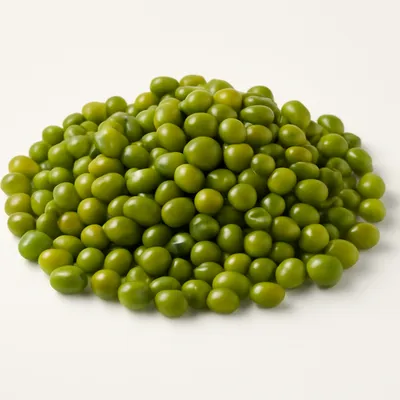
How it's made
6 steps · 1 hour 30 min active + 2 hours 30 min waiting
- 190 min
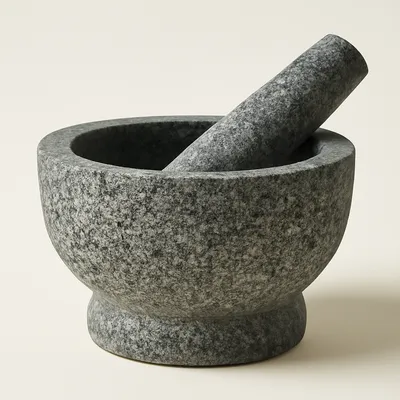
Soak 80g dried la gai (ramie) leaves overnight, then boil 1 hour in fresh water. Drain, squeeze dry, pound in a mortar with 2 tbsp sugar to a dark-green almost-black paste. (Substitute: pandan paste yields a different colour and lighter aroma but works.)
Watch outBoil the ramie leaves a full hour and pound to a near-black paste — under-cooked they stay fibrous and gritty and the dough won't turn that deep tea-green.
- 230 min
Soak 200g split mung beans 2 hours; steam 25 minutes until very soft. Mash hot with 80g sugar, 50g coconut cream, 1/4 tsp salt to a stiff paste. Roll into 18 walnut-sized balls.
- 330 min
Combine 400g glutinous rice flour with the la gai paste plus 200ml warm water and 60g sugar. Knead 8 minutes into a smooth, elastic, deep-green-black dough. Rest 20 minutes covered.
Watch outKnead until the dough is smooth and springs back — slack, sticky dough means it hasn't come together and the parcels will slump when steamed.
- 425 min
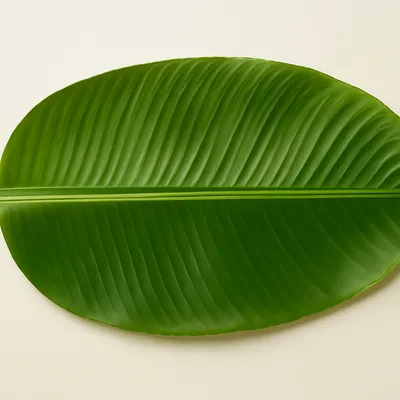
Cut 18 banana-leaf squares 18×18cm; wilt over flame and oil one side. Divide dough into 18 pieces. Flatten each into a 7cm round, place a mung-bean ball in the centre, seal into a smooth ball.
- 520 min
Place each ball on a leaf square, oil-side in. Fold the leaf into a four-sided pyramid: bring two opposite corners up over the top, then tuck the remaining two corners up against the sides. Tie with banana-leaf strip or twine.
- 635 min
Stack pyramids in a steamer in two layers, points up. Steam over high heat 30 minutes. The leaves turn olive-brown; the dough cooks through and becomes glossy. Cool 30 minutes before serving — they firm up as they cool.
Watch outPoints-up in the steamer 30 minutes until the dough turns glossy — then let them cool fully before serving, they only firm up and slice clean once cold.
Archive tool suggestions — not reviewed
These legacy suggestions have not been evidence-reviewed and are not presented as required tools.