Round flat steamed glutinous-rice cake, white and pillowy, eaten plain or sandwiched around a slice of cha lua pork sausage — paired with the square banh chung in Vietnam's founding myth.




Banh day is one half of the most famous Vietnamese culinary myth — the legend of Prince Lang Lieu, who in the Hung Vuong dynasty (semi-legendary, c. 2000 BCE in tradition) presented two cakes to his father: round flat banh day for the sky and square banh chung for the earth, made entirely from local rice rather than imported delicacies, and won the throne. The pair are inseparable at Tet (Lunar New Year) ancestral altars across northern Vietnam. The everyday street version with cha lua, eaten as breakfast or snack, is a 20th-century evolution.
From the Lang Lieu legend of the Hung Vuong dynasty — round flat for sky, square banh chung for earth. Pounding ruptures rice grains and aligns the amylopectin; that's why a good cake stretches a thumb's width before tearing.
A pure-white disc the size of a small saucer, soft as a pillow and slightly tacky to the fingers. Plain banh day tastes of nothing but rice — clean, faintly sweet, very subtle — which is the point: it's a foil. Sandwiched around cha lua, the meat's salt and the cake's neutrality build a four-bite snack that eats like a Vietnamese answer to the slider. Cold or room-temperature only — reheating turns it gummy. The texture is the whole story: pull a cake apart and the dough should stretch a thumb's width before tearing.
Pounding (or hard kneading) is what differentiates banh day from a steamed glutinous-rice ball. The mechanical action ruptures intact rice grains and aligns the released amylopectin into long elastic strands — that's why a properly made cake stretches before it tears, while an under-pounded one crumbles. Oiled hands aren't optional: glutinous-rice dough at 60°C is intensely sticky, and a dry hand will glue itself to the dough rather than shape it.
Variations
Banh day with cha lua is the everyday street snack; banh day pairs with banh chung at every Tet altar in the north; banh giay gio bo subs in beef gio; some Hanoi stalls press the pounded rice flat and grill it briefly for a smoke note.
On the Palate
Where Banh Day sits in the Vietnamese flavor cloud
Ingredients
Serves 6
How it's made
6 steps · 50 min active + 8 hours 10 min waiting
- 15 min
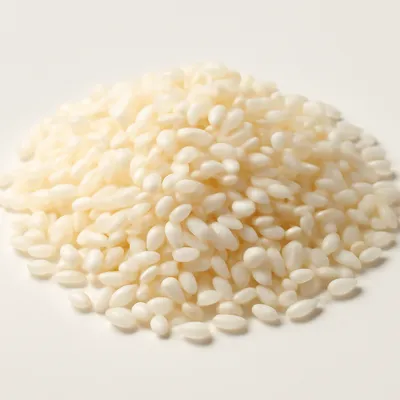
Soak 500g glutinous rice in cold water 8 hours or overnight. Drain.
- 235 min
Spread soaked rice in a cheesecloth-lined steamer, poke steam holes, steam 35 minutes over high heat until grains are fully translucent and tender all the way through. Test by squeezing a grain — it should crush without a chalky core.
Watch outSteam till a squeezed grain crushes soft with no chalky white core — a hard centre means the dough will crumble instead of stretch.
- 315 min
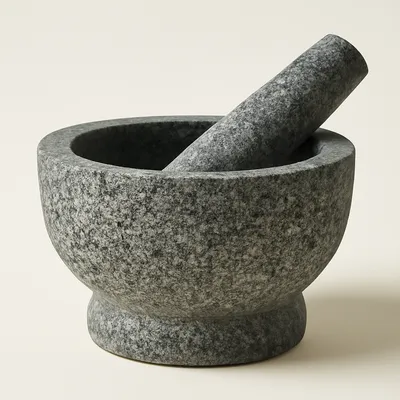
Traditional method: tip hot rice into a wooden mortar and pound with a heavy pestle, two people taking turns, for 15 minutes — the rice breaks down into a smooth elastic dough with no whole grains visible. Modern method: use a stand mixer with a dough hook, 12 minutes on medium.
Watch outPound till it's one smooth elastic mass with no whole grains left — it should stretch before it tears; under-pounded, it falls apart.
- 48 min
Oil hands and a clean tray with neutral oil. Pinch off 80g portions of hot dough; flatten between oiled palms into 8cm discs about 1.5cm thick. Place on banana-leaf squares cut to fit.
Watch outOil your hands well first — dough this hot is fiercely sticky and a dry palm glues to it instead of shaping it.
- 530 min
Cool to room temperature 30 minutes — the cakes firm up but remain soft. Eat plain (the traditional way), or sandwich a 5mm slice of cha lua between two cakes for the snack-stall version.
Watch outDo not rush the cooling process, as the cakes need time to firm up properly.
- 65 min
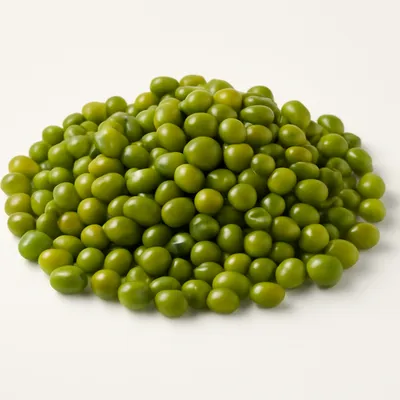
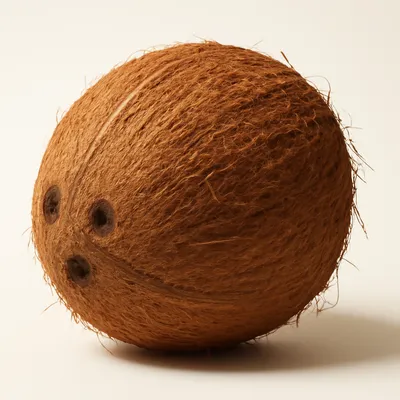
Optional sweet version: dust with finely ground roasted sesame and a thread of palm sugar; or accompany with sweet mung-bean paste rolled in toasted coconut.
Watch outUse finely ground sesame to ensure it adheres well to the cakes.
Archive tool suggestions — not reviewed
These legacy suggestions have not been evidence-reviewed and are not presented as required tools.