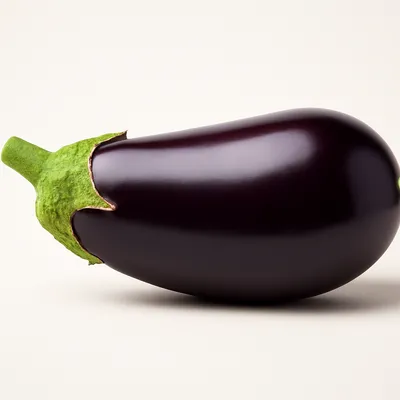


Levantine in origin, with the modern form documented in 19th-century Damascus and Beirut as a cheap meze made from globe eggplant, which spread through the Arab world from India via Persia by the 7th century. The name baba ghannouj means roughly 'pampered father' in Arabic — likely a household joke about a soft, indulgent dish. Distinct from Egyptian baba ghanoush, which often skips tahini.
Levantine smoked-eggplant dip — the eggplant must be charred over open flame until the skin blisters and the flesh collapses. Oven-roasted is a different dish; the smoke is what the name ("pampered father") was bragging about.
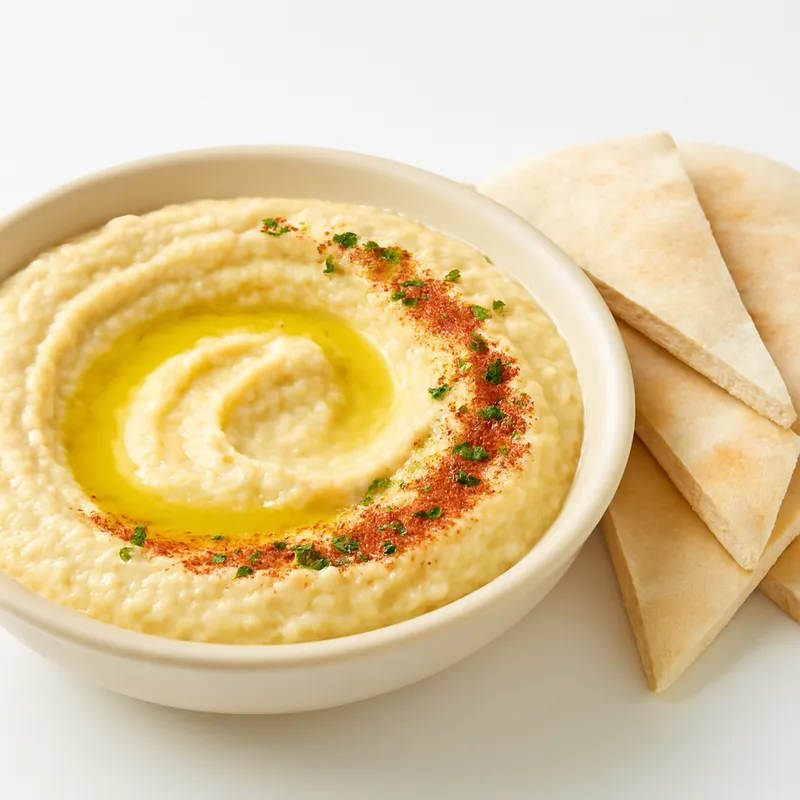
Pale beige paste with visible eggplant fibers, never a smooth purée. The smoke comes through first — proper baba ganoush is roasted whole over open flame until the skin blisters and tears. Then tahini bitterness, lemon, raw garlic. Served cool, drizzled with olive oil and a dust of paprika; eaten with warm pita torn by hand. If it tastes like hummus with eggplant, the eggplant was peeled and steamed instead of charred.
Open-flame charring is the load-bearing step. The skin must burn through while the flesh inside steams in its own juice — this is what creates the smoky phenols (guaiacol, syringol) that define the dish. Oven roasting at 200°C gives soft eggplant but no smoke; the result is bland. Lebanese cooks often finish over gas burners or grill grates even after oven softening, just to chase the char.
Variations
Lebanese mutabbal adds tahini and yogurt; Egyptian baba ganoush goes thinner with olive oil; Turkish patlıcan salatası adds parsley and garlic only; Syrian version sometimes folds in pomegranate seeds.
On the Palate
Where Baba Ganoush sits in the Lebanese flavor cloud
Char the eggplant skin black over live flame so the flesh steams and picks up real smoke — that smoky phenol layer, not just softness, is what makes it baba ganoush instead of eggplant mush.
Ingredients

How it's made
5 steps · 27 min
- 15 min
Preheat the oven to 425°F (220°C). Prick the eggplants with a fork in several places and place them on a baking sheet.
- 25 min
Roast the eggplants for about 35-40 minutes, turning occasionally, until the skin is charred and the flesh is soft and smoky.
Watch outPush past 'just soft' — the skin should be genuinely blackened and cracking, and the eggplant should slump; that char is the whole flavor.
- 310 min
Allow the eggplants to cool slightly. Peel off the charred skin and scoop the soft flesh into a bowl.
Watch outPeel while warm and discard every scrap of blackened skin — leftover char bits turn bitter and gritty in the smooth dip.
- 45 min
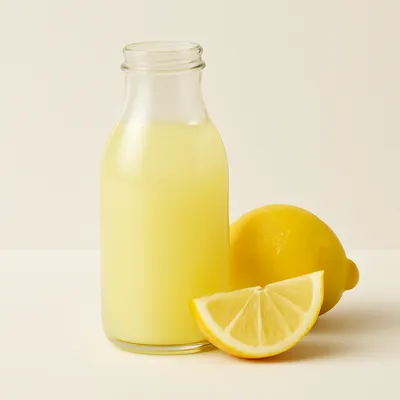
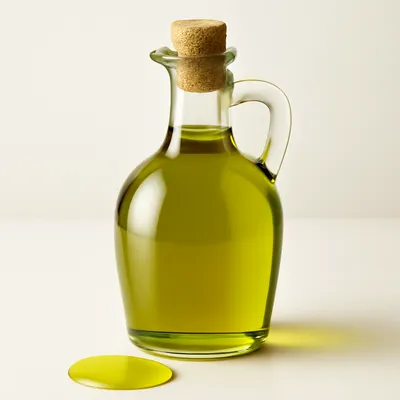
Mash the eggplant with a fork and stir in tahini, lemon juice, minced garlic, and a generous drizzle of olive oil. Season with salt to taste.
Watch outAdd lemon and salt a little at a time and taste — it should land bright and savory, not sour; garlic sharpens fast, so go easy.
- 52 min
Transfer to a serving dish. Drizzle with more olive oil, and serve with pita bread.
Archive tool suggestions — not reviewed
These legacy suggestions have not been evidence-reviewed and are not presented as required tools.