
Salt-seasoned ramen, defined not by its broth but by a clear, pale salt-based tare. The broth is a clear (chintan) stock of chicken bones, pork, and kombu kelp, seasoned with salt rather than soy or miso, so it stays pale gold and you can see straight through it. It is the signature style of Hakodate in southern Hokkaido, where the noodles are typically thin and straight and toppings run to roasted chashu, menma, scallion, a slice of fish cake, and sometimes spinach. Shio is one of the four base ramen styles, alongside shoyu, tonkotsu, and miso.




Hakodate, an early treaty port in southern Hokkaido, has a strong claim to one of Japan's earliest bowls of ramen. An 1884 advertisement in a Hakodate newspaper marketed 'Nankin soba' (Nanjing-style noodles) at a shop named Yowaken — arguably the earliest documented reference to a ramen-style noodle dish in Japan, though whether it was truly the country's first bowl is debated. The style grew out of clear, salt-seasoned Cantonese-style stocks brought by Chinese cooks in the port; salt suited the local seafood-rich palate and stayed the city's house flavor. Hakodate shio ramen is now counted, with Sapporo's miso and Asahikawa's shoyu, as one of Hokkaido's three great ramen.
A pale, almost translucent gold broth, clean and saline, scattered with thin straight noodles that hold a firm bite. The salt tare keeps the flavor delicate and lets the chicken-pork-kombu stock and any seafood notes come through clearly — there is nowhere for off-flavors to hide, which is why a good shio bowl tastes of nothing but clean stock. Roasted chashu is firmer and less fatty than the braised kind; the fish cake is mild, the scallion bright. The lightest of the four styles, it should taste restorative rather than rich.
Salt tare is the simplest of the ramen seasonings and therefore the most exposed. Because there is no soy or miso to mask anything, the broth must be genuinely clear and clean: it is cooked at a bare simmer (the chintan method) rather than a hard boil, so fat and protein are not churned into the liquid and the stock stays transparent. The salt sharpens perception of the broth's own glutamate and inosinate — the umami of kombu multiplied by that of chicken and pork — without adding flavor of its own. Boil the bones hard instead of simmering and the broth turns cloudy and the shio illusion of clarity is lost.
Variations
Hakodate's bowl is the canonical shio, with thin straight noodles in a clear pork-chicken-kombu stock; some shops fold in scallop or kelp for a marine edge, and spinach is a common local topping. Beyond Hakodate, salt tare anchors lighter, often chicken-forward modern bowls across Japan, and the seafood-leaning shio of coastal towns plays up dried scallop, niboshi, or kelp. The same broth seasoned with soy becomes shoyu ramen; thickened with pork-bone collagen it edges toward tonkotsu; enriched with fermented bean paste it becomes miso.
On the Palate
Where Shio Ramen sits in the Japanese flavor cloud
Ingredients
Serves 2


How it's made
7 steps · 35 min
- 1120 min
Make a clear stock: cover chicken bones and a piece of pork with cold water, bring to a bare simmer, and skim off all foam; add kombu and hold at a gentle simmer for about 2 hours, never letting it boil hard.
Watch outHold the stock at a bare simmer and skim all foam — a hard boil churns fat and protein in and clouds the broth, killing the clean shio look.
- 210 min
Make the shio tare: dissolve sea salt in a little warm sake and mirin, with a piece of kombu and a pinch of dried scallop or dried fish for depth, then strain.
- 35 min
Strain the stock carefully through a fine sieve so it stays clear; keep it hot.
- 48 min
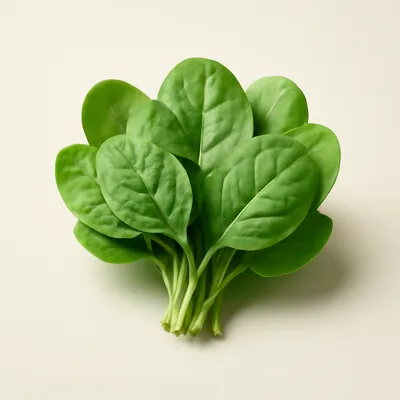
Prepare toppings: slice roasted chashu, ready menma, fish cake, chopped scallion, and a little blanched spinach if using.
- 52 min
Boil the thin straight noodles for the time on the package, keeping them firm, and drain well.
Watch outBoil the thin noodles just to firm and drain well — a soft or watery noodle drags the clear broth down where there's nothing to mask it.
- 61 min
Spoon the shio tare into each warmed bowl, pour in the clear hot stock, and stir gently.
- 71 min
Lift the noodles into the broth, arrange the toppings, and serve at once.
Archive tool suggestions — not reviewed
These legacy suggestions have not been evidence-reviewed and are not presented as required tools.


